GIES
Case Study on Jiaohe Ganoderma Lucidum Facility Agriculture
LI Danfeng1* HU Shi2 YANG Jingjun3 LIU Yingying3 CHEN Weimei3 XU Lianchun4
WU Junxiang5 LIU Yinan6 LI Liping7 LIU Xiaolong8 XU
Dongcheng9 CHEN Shukun10
MA Fuwang9 GUO Lisheng11 JIA Jungang12 JI Xuebin13 LIU Xin14 ZHU Jianquan15 WANG Daqi16 YAN Fengfei17 CAO Weisheng18 WANG Zhenbo1 WANG Peixuan1 LIU Jingyang1 LIU Shiping1
1.
Institute of Geographic Science and Natural Resources Research, Chinese Academy
of Science, Beijing 100101, China; 2. People’s Government of Jiaohe City, Jilin
Province, Jiaohe 132500, China; 3. Jiaohe Administration for Market Regulation,
Jilin Province, Jiaohe 132500, China; 4. Jiaohe City Agricultural
Characteristic Industry Development Center, Jilin Province, Jiaohe 132500,
China; 5. Jilin City Ecological Environment Bureau Jiaohe City Branch, Jilin
Province, Jiaohe 132500, China; 6. Jiaohe Water Resources Management Center,
Jilin Province, Jiaohe 132500, China; 7. Jiaohe Meteorological Bureau, Jilin
Province, Jiaohe 132500, China; 8. Jilin Agricultural University, Changchun
130118, China; 9. People’s Government of Huangsongdian
Town, Jiaohe City, Jilin Province, Jiaohe 132505, China; 10. People’s
Government of Xinzhan Town, Jiaohe City, Jilin Province, Jiaohe 132506, China;
11. Jiaohe City Huangsongdian Edible and Medicinal Fungi Association, Jilin
Province, Jiaohe 132505, China; 12. Jilin Jinzhilou Biotechnology Co., Ltd.,
Jilin Province, Jiaohe 132506, China; 13. Jiaohe City Chashuling Local
Specialty Products Co., Ltd., Jilin Province, Jiaohe 132500, China; 14.
Fuzhidao (Jilin) Biotechnology Co., Ltd., Jiaobe Branch, Jilin Province,
Jiaohe132505, China; 15. Senzhifu (Jilin) Biotechnology Co., Ltd., Jilin
Province, Jiaohe132505, China; 16. Jilin Zhiye Biotechnology Co., Ltd.,
Jiaohe132505, China; 17. Jilin Beizhi Biotechnology Co., Ltd., Jiaohe132505,
China; 18. Sanhe Village, Huangsongdian Town, Jiaohe City, Jilin Province,
Jiaohe132505, China
Abstract:
Jiaohe City stands as one of the principal production areas of high-quality Ganoderma
lucidum and sporoderm-broken G. lucidum spore powder in China. The
case area covers a total area of 3,041 km2, including 140
administrative villages and 6 communities. Situated in the transitional region
from the Changbai Mountains to the Songliao Plain, it is mainly characterized
by low mountains and hills. It features a temperate continental monsoon
climate, with an annual average temperature of 4.38 ºC and an average annual
precipitation of 710 mm. The soil predominantly consists of black soil, which
is rich in nutrients, and the heavy metal contents are below the national
standard limits (GB 15618—2018 and HJ/T332—2006). The water environmental
quality meets the Standards
for drinking water quality (GB 5749—2022), rendering it suitable
for G. lucidum irrigation. Jiaohe G. lucidum is cultivated
using Xylosma
racemosum wood segments as the substrate. The wood is dense and
contains abundant nutrient elements, which can provide sufficient nutrients for
mycelial growth and meet the requirements of fruiting body development. The
total triterpenoid and polysaccharide contents in G. lucidum slices
exceed the limits stipulated in the 2020 edition of the Pharmacopoeia of China,
and 11 pesticides, including deltamethrin, are not detected. The average
sporoderm-broken rate of the spore powder is 99.2%. The average content of
total triterpenoids is 9.16 g/100g and that of polysaccharides is 2.47 g/100g,
all surpassing the limits set by the group standard Ganoderma lucidum spore powder from Changbai
Mountain in Jilin (T/YYTC 008—2024). Meanwhile, the ash
content, peroxide value, heavy metal contents, and microbial counts comply with
the standard limits, and pesticides such as BHC and DDT, as well as pathogenic
bacteria like Salmonella and Staphylococcus aureus, are not
detected. Jiaohe City has a long-standing history of G. lucidum
cultivation and has established a comprehensive industrial chain production
model. This model encompasses spawn cultivation, technical guidance, corporate
buy-back, and deep processing into high-value-added products. It has evolved
from the traditional model of extensive production and low-price sales to new
business formats, including e-commerce live streaming and culture-tourism
integration. The case dataset is archived
in .shp, .docx, .tif, .jpg, and .xlsx data formats, and consists of 111 data
files with data size of 92.5 MB (Compressed into one file with 42.6 MB).
Keywords: Changbai Mountain; Ganoderma
lucidum; sporoderm-broken Ganoderma lucidum spore powder;
Jiaohe City; GIES; Case 28
DOI: https://doi.org/10.3974/geodp.2026.03.02
Dataset Availability Statement:
The dataset supporting this paper
was published and is accessible through the Digital Journal of Global Change Data Repository
at: https://doi.org/10.3974/geodb.2025.11.01.V1.
1 Introduction
 In the context of the rapid development of the social economy and
the continuous improvement of better life, the public’s demand for daily health
preservation and wellness is on the rise. The “Quality Geographic Products”
initiative, featuring agricultural modernization and intelligent agricultural
monitoring and management, has emerged in line with this trend[1,2].
Since 2016, the Chinese government has promulgated policies such as the
“Healthy China 2030” planning outline, the National nutrition plan (2017–2030),
and the “14th five-year plan” for national health to foster public health
awareness and a prevention-oriented health concept, thereby implementing the
Healthy China strategy. Enhancing immunity has become a core requirement for
people of all age groups to maintain bodily functions. Anti-aging and
antioxidant properties, regulation of blood glucose, lipids, and blood
pressure, as well as liver protection and detoxification, represent major
consumption trends among the young, middle-aged, and elderly populations for
specialty agricultural products and health foods.
In the context of the rapid development of the social economy and
the continuous improvement of better life, the public’s demand for daily health
preservation and wellness is on the rise. The “Quality Geographic Products”
initiative, featuring agricultural modernization and intelligent agricultural
monitoring and management, has emerged in line with this trend[1,2].
Since 2016, the Chinese government has promulgated policies such as the
“Healthy China 2030” planning outline, the National nutrition plan (2017–2030),
and the “14th five-year plan” for national health to foster public health
awareness and a prevention-oriented health concept, thereby implementing the
Healthy China strategy. Enhancing immunity has become a core requirement for
people of all age groups to maintain bodily functions. Anti-aging and
antioxidant properties, regulation of blood glucose, lipids, and blood
pressure, as well as liver protection and detoxification, represent major
consumption trends among the young, middle-aged, and elderly populations for
specialty agricultural products and health foods.
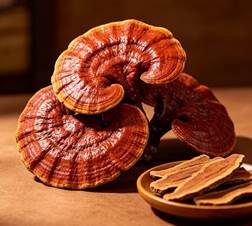
 Ganoderma lucidum refers to the dried
fruiting body of the Polyporaceae fungi Ganoderma lucidum (Leyss. ex
Fr.) Karst. or Ganoderma sinense Zhao, Xu et Zhang (Figure 1)[3].
Presently, a total of 137 species within the genus Ganoderma have been
identified globally, among which the confirmed species in China constitute 88%
of the overall count[4]. Research
findings suggest that polysaccharides, triterpenoids, sterols, small peptides,
adenosine, and alkaloids are the principal active constituents of G.
lucidum, which demonstrate effects such as immune enhancement,
anti-inflammatory and antioxidant activities, anti-tumor properties,
neuroprotection, as well as anti-glycemic and hepatoprotective effects[5,6].
The Pharmacopoeia
of China (2000 Edition)[3] has documented the
medicinal value of G. lucidum. In 2001, the Ministry of Health
incorporated G. lucidum (including G. lucidum and G.
sinense) and G. tsugae into the List of fungal strains usable for
health foods. In 2019, G. lucidum was included in the List of medicinal and edible
substances by the National Health Commission. In 2021 and 2023, the
State Administration for Market Regulation, the National Health Commission, and
the National Administration of Traditional Chinese Medicine successively issued
the Directory of
health food ingredients: sporoderm-broken G. lucidum spore powder
and the Directory
of health food ingredients: G. lucidum. As the origin of G.
lucidum, China holds a leading position globally in terms of both
production volume and quality. Statistics from the China Edible Fungi
Association indicated that in 2023, the total output of G. lucidum in
China reached 159,800 tons, with G. lucidum accounting for over 50%,
and the total national consumption amounted to 50,000 tons[7].
According to data from the General Administration of Customs, China’s exports
of G. lucidum products reached 5,000 tons, with a value of 100 million
USD in 2023, representing year-on-year increases of 10% and 15% respectively[7].
The “14th five-year plan” for national agricultural modernization explicitly
advocates for the support of the G. lucidum industry, and the National report on the development
of characteristic rural industries also designates G.
lucidum as a key support sector.
Ganoderma lucidum refers to the dried
fruiting body of the Polyporaceae fungi Ganoderma lucidum (Leyss. ex
Fr.) Karst. or Ganoderma sinense Zhao, Xu et Zhang (Figure 1)[3].
Presently, a total of 137 species within the genus Ganoderma have been
identified globally, among which the confirmed species in China constitute 88%
of the overall count[4]. Research
findings suggest that polysaccharides, triterpenoids, sterols, small peptides,
adenosine, and alkaloids are the principal active constituents of G.
lucidum, which demonstrate effects such as immune enhancement,
anti-inflammatory and antioxidant activities, anti-tumor properties,
neuroprotection, as well as anti-glycemic and hepatoprotective effects[5,6].
The Pharmacopoeia
of China (2000 Edition)[3] has documented the
medicinal value of G. lucidum. In 2001, the Ministry of Health
incorporated G. lucidum (including G. lucidum and G.
sinense) and G. tsugae into the List of fungal strains usable for
health foods. In 2019, G. lucidum was included in the List of medicinal and edible
substances by the National Health Commission. In 2021 and 2023, the
State Administration for Market Regulation, the National Health Commission, and
the National Administration of Traditional Chinese Medicine successively issued
the Directory of
health food ingredients: sporoderm-broken G. lucidum spore powder
and the Directory
of health food ingredients: G. lucidum. As the origin of G.
lucidum, China holds a leading position globally in terms of both
production volume and quality. Statistics from the China Edible Fungi
Association indicated that in 2023, the total output of G. lucidum in
China reached 159,800 tons, with G. lucidum accounting for over 50%,
and the total national consumption amounted to 50,000 tons[7].
According to data from the General Administration of Customs, China’s exports
of G. lucidum products reached 5,000 tons, with a value of 100 million
USD in 2023, representing year-on-year increases of 10% and 15% respectively[7].
The “14th five-year plan” for national agricultural modernization explicitly
advocates for the support of the G. lucidum industry, and the National report on the development
of characteristic rural industries also designates G.
lucidum as a key support sector.
The production
areas of Ganoderma lucidum in China are primarily concentrated in
regions such as the Changbai Mt. in Jilin, Mount Tai and Guanxian in Shandong,
the Dabie Mountains in Anhui, and Huangsongdian in Jilin. The quality of Ganoderma
lucidum varies owing to differences in varieties, ecological environments,
and cultivation techniques. The Huangsongdian production area in Jilin Province
is part of Jiaohe City, situated at the western foot of the Changbai Mt. and
beside Songhua Lake, within the transitional zone from the Changbai Mt. to the
Songliao Plain, which is known as a “Three-dimensional Resource Treasure Trove
of the Changbai Mt.” In Jiaohe City, Ganoderma lucidum is cultivated
using the locally prevalent Xylosma congestum wood as a substrate,
recognized as the “golden substrate” for Ganoderma lucidum or the
preferred material for “semi-wild” cultivation, giving rise to high-quality
geographical specialty products represented by “Huangsongdian Ganoderma
lucidum”. To facilitate the orderly development of the Geographical Indications
Environment & Sustainability (GIES)[8], this paper developed and
analyzed the dataset of the Jiaohe Ganoderma lucidum geo-ecological
environment case study in the Changbai Mt. area, with the aim of providing
scientific and technological support for the geo-ecological protection and
sustainable development of Jiaohe Ganoderma lucidum.
2 Metadata of the
Dataset
The
author information, geographic region, year of the data, data format, data size,
and other details of the GIES case dataset
on Jiaohe Ganoderma
lucidum Changbai Mountains[9]
are presented in Table 1.
3 Case Area
Jiaohe
City (126°45′–127°56′E, 43°12′–44º09′N) is located at the western foot of the
Changbai Mt., at the southern terminus of the Zhangguangcai Range, and on the
shore of Songhua Lake. It shares boundaries with Dunhua City of Yanbian Korean
Autonomous Prefecture to the east, separated by the Weihu Ridge, Huadian City
to the south, the Longtan and Fengman Districts of Jilin City to the west, and
Shulan City and Wuchang City of Heilongjiang Province to the north (Figure 2).
The topography is characterized by higher elevations in the northeast and lower
elevations in the southwest, with an average altitude of 455 m.
Table
1 Metadata summary of the GIES case dataset
on Jiaohe Ganoderma lucidum Changbai Mountains
|
Items
|
Description
|
|
Dataset
full name
|
GIES case
dataset on Jiaohe Ganoderma lucidum Changbai Mountains
|
|
Dataset
short name
|
JiaoheGanodermalucidumCase28
|
|
Authors
|
Li, D. F.,
Institute of Geographic Sciences and Natural Resources Research, Chinese
Academy of Sciences, lidf@igsnrr.ac.cn
|
|
Hu, S.,
People’s Government of Jiaohe City, Jilin Province, jhsj67002787@163.com
|
|
Yang, J.
J., Jiaohe Administration for Market Regulation, Jilin Province,
13944269981@163.com
|
|
Liu, Y. Y.,
Jiaohe Administration for Market Regulation, Jilin Province,
jhsj67002787@163.com
|
|
Chen, W.
M., Jiaohe Administration for Market Regulation, Jilin Province,
164737084@qq.com
|
|
Xu, L. C., Jiaohe
City Agricultural Characteristic Industry Development Center, Jilin Province,
xlc2006@126.com
|
|
Wu, J. X., Jilin
City Ecological Environment Bureau Jiaohe City Branch, jhsj67002787@163.com
|
|
Liu, Y. N.,
Jiaohe Water Resources Management Center, Jilin Province, jhszy851@163.com
|
|
Li, L. P., Jiaohe
Meteorological Bureau, Jilin Province, jhqx54181@163.com
|
|
Xu, D. C.,
People’s Government of Huangsongdian Town, Jiaohe City, Jilin Province,
532772077@qq.com
|
|
Chen, S.
K., People’s Government of Xinzhan Town, Jiaohe City, Jilin Province,
179757274@qq.com
|
|
Ma, F. W.,
People’s Government of Huangsongdian Town, Jiaohe City, Jilin Province,
532772077@qq.com
|
|
Guo, L. S.,
Jiaohe City Huangsongdian Edible and Medicinal Fungi Association, Jilin
Province, 799913051@qq.com
|
|
Jia, J. G.,
Jilin Jinzhilou Biotechnology Co., Ltd., 284543841@qq.com
|
|
Ji, X. B., Jiaohe
City Chashuling Local Specialty Products Co., Ltd., ah2j@hotmail.com
|
|
Liu, X.,
Fuzhidao (Jilin) Biotechnology Co., Ltd. Jiaohe Branch, 18686686027@qq.com
|
|
Zhu, J. Q.,
Senzhifu (Jilin) Biotechnology Co., Ltd., 15886285999@qq.com
|
|
Wang, D,
Q., Jilin Zhiye Biotechnology Co., Ltd., 15981247800@qq.com
|
|
Yan, F. F.,
Jilin Beizhi Biotechnology Co., Ltd., 172762701@qq.com
|
|
Cao, W. S.,
Sanhe Village, Huangsongdian Town, Jiaohe City, Jilin Province,
799913051@qq.com
|
|
Wang, Z.
B., Institute of Geographic Sciences and Natural Resources Research, Chinese
Academy of Sciences, wangzb@igsnrr.ac.cn
|
|
Wang, P.
X., Institute of Geographic Sciences and Natural Resources Research, Chinese
Academy of Sciences, 1092546064@qq.com
|
|
Liu, J. Y.,
Institute of Geographic Sciences and Natural Resources Research, Chinese
Academy of Sciences, liujingyang251@mails.ucas.ac.cn
|
|
Liu, S. P.,
Institute of Geographic Sciences and Natural Resources Research, Chinese
Academy of Sciences, liusp@igsnrr.ac.cn
|
|
Geographical
region
|
Jiaohe
City, Jilin Province, China
|
|
Data format
|
.shp, .docx,
.tif, .jpg, .xlsx
|
|
Data size
|
92.5 MB
|
|
Data files
|
Case area boundary,
physical geography data, product characteristic data, operation management,
socioeconomic and historical cultural data, production process images
|
|
Foundation
|
Jilin
Provincial Administration for Market Regulation (2025)
|
|
Data
publisher
|
Global
Change Research Data Publishing & Repository, http://www.geodoi.ac.cn
|
|
Address
|
No. 11A,
Datun Road, Chaoyang District, Beijing 100101, China
|
|
Data
sharing policy
|
(1) Data
are openly available and can be free downloaded via the Internet; (2) End
users are encouraged to use Data
subject to citation; (3) Users, who are by definition also value-added
service providers, are welcome to redistribute Data subject to written
permission from the GCdataPR Editorial Office and the issuance of a Data
redistribution license; and (4) If Data are used to compile new
datasets, the “ten percent principle” should be followed such that Data
records utilized should not surpass 10% of the new dataset contents, while
sources should be clearly noted in suitable places in the new dataset[10]
|
|
Communication
and
searchable
system
|
DOI, CSTR,
Crossref, DCI, CSCD, CNKI, SciEngine, WDS, GEOSS, PubScholar, CKRSC
|
|
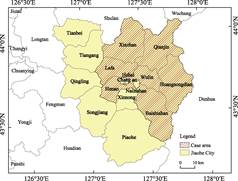
Figure 2 Geo-location map of Jiaohe City
|
Jiaohe City
falls within the Songhua River system, boasting 89 rivers. The
majority of these rivers flow from north to south or east to west, ultimately
discharging into Songhua Lake. The river surface area is approximately 231.87
km2, and the water area of Songhua Lake spans 330 km2.
The principal rivers include the Lafa River, with a total length of 65 km and a
drainage area of 920 km2, and the Gaya River, with a total length of 75 km and a drainage area of
1,121 km2, along with the Jiaohe, Mangniu, and Piaohe Rivers, as
well as the Hongxing, Longfeng, and Qingfeng Reservoirs. The total surface
water resources of the city amount to 1.752 billion m3, and the
exploitable groundwater resources reach 5.103 billion m3.
The
cultivation of Ganoderma lucidum in Jiaohe City is predominantly
concentrated in Huangsongdian Town, Xinzhan Town, Qianjin Township, Lafa
Sub-district, Henan Sub-district, Wulin Korean Township, and Baishishan Town.
These areas were chosen as the case area with a total area of 3,041 km2,
incorporating 140 administrative villages and 6 communities (Figure 2).
4 Ecological and
Environmental Data
4.1 Topography
The
case area is characterized by a topography that is elevated in the east and
lower in the west, with a central low-lying area encircled by higher terrains,
exhibiting a composite landscape of hills, mountains, and valleys. An analysis
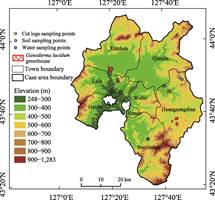
grounded in Digital Elevation Model (DEM) data revealed
that the elevation spans from 248 to 1,283 m, with a mean elevation of 488 m
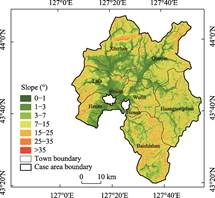
(Figure 3). The slopes vary from 0 to 45.4°, with an
average slope of 8.4° (Figure 4). The moderate elevation and gentle slopes, in
conjunction with a suitable climate and adequate drainage conditions, are
conducive to greenhouse construction, production management, and harvesting
operations.
|
|
|
|
Figure 3 Distribution map of the sampling sites and
the elevation classification in the case area
|
Figure 4
Slope classification map of the
case area
|
4.2 Climatic Conditions
The case area features a temperate continental
monsoon climate, which is characterized by the
co-occurrence of rainfall and heat and distinct four seasons. A statistical
analysis of meteorological data from 1980 to 2024 reveals
that the multi-year averages of the maximum, minimum, and mean temperatures
were 10.68 ℃, –1.17 ℃, and 4.38 ℃, respectively. The annual
precipitation ranged from 455.0 to 1,033.2 mm, with a multi-year average
precipitation of 710.8 mm (Figure 5). Temperature and precipitation exhibit
significant seasonal differentiation. In summer (June–August), rainfall
accounts for 62.7% of the annual precipitation, amounting to 455.7 mm. The
highest temperature (27.16 ℃) and maximum precipitation (178.9 mm) occur
in July, with a daily mean precipitation of 5.77 mm and a daily mean
temperature of 21.96 ℃. In winter (December–February), precipitation accounts for only 3.59% of the annual total. The
lowest temperature (–23.92 ℃)
and minimum precipitation (6.42 mm) occur in January, with a daily mean
precipitation of 0.21 mm and a daily mean temperature of
–17.85 ℃ (Figure 5). The annual effective accumulated temperature
≥10 ℃ ranges from 2,350 to 2,750 ℃. The frost-free period is 105–115
d in mountainous areas and 120–130 d in hilly areas. The annual average
relative humidity fluctuates between 65.9% and 76.5%, with a multi-year average
of 70.1%. The coefficient of variation for the monthly average relative
humidity is merely 11.77% (Figure 5). The case area enjoys abundant sunshine,
with annual sunshine hours ranging from 1,975 to 2,574 h and a multi-year
average of 2,242 h. The maximum (7.32 h/d) and minimum (4.29 h/d) sunshine
hours occur in May and December, respectively (Figure 5). From 2013 to 2024,
the overall air quality in the case area was of excellent quality. The average
concentrations of PM10, PM2.5, SO2, and NO2
were 0.064 mg/m3, 0.029 mg/m3, 0.018 mg/m3,
and 0.020 mg/m3, respectively, all of which were below the limits
stipulated in China’s Ambient air quality standards (GB 3095—2026)[11].
The proportion of days with excellent or good air quality exceeded 88%.
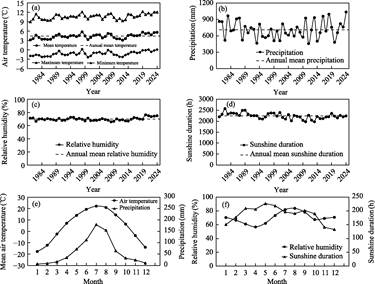
Figure 5 Statistical analysis chart of climatic
characteristics for Jiaohe City (1980–2024)
The
growth and development of Ganoderma lucidum are intricately associated
with temperature, light, and moisture conditions. In Jiaohe City, the
relatively high air humidity (ranging from 56.7% to 61.0%) from March to May
facilitates mycelial colonization on the substrate and averts contamination by
competitive fungi. From June to September, the temperatures are in accordance
with the optimal temperatures for mycelial growth (20–25 ℃) and fruiting
body development (25–30 ℃). The adequate diurnal temperature variations
inside greenhouses, combined with sufficient ventilation, are conducive to dry
matter accumulation, enhance disease resistance (by inhibiting pest egg
incubation, larval development, and adult activity), and effectively prevent
infection by competitive fungi. The short sunshine duration in late spring and
early summer is beneficial for mycelial growth andprimordium differentiation,
whereas the long sunshine duration from midsummer to early autumn contributes
to increasing greenhouse temperatures and promotes cap thickening.
|
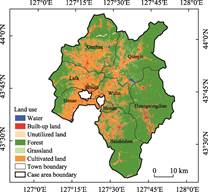
Figure 6 Land use map of the case area (2022)
|
4.3 Land Use and Vegetation Cover
The
authors employed the maximum likelihood method for supervised classification on
Landsat 9 imagery with a 30-m spatial resolution to acquire the land use types
of the case area in 2022. Forest
and cropland emerge as the predominant land use types, constituting 66.5% and
25.0% of the total area respectively (Figure 6). Leveraging Landsat 5 TM
imagery (2000) and Landsat 9 imagery (2022), the Normalized Difference
Vegetation Index (NDVI) for both years was computed, and the trend of annual
NDVI change from 2000 to 2022 was analyzed. In 2022, the NDVI in the case area
spanned from –0.13 to 0.63, with a mean value of 0.36, suggesting a moderate
degree of vegetation cover. Over the past two decades, the average annual rate
of NDVI change in the case area was 0.15, and areas exhibiting an increasing
NDVI trend accounted for 97.2% of the region, indicating an overall enhancement
in vegetation cover (Figure 7, 8). The favorable land use and vegetation cover
patterns offer ecological security, encompassing suitable terrain (agroforestry
interlacing, gentle slopes), climate (temperature, humidity, light, etc.), and
raw materials (substrate, soil), which are conducive to the cultivation of Ganoderma lucidum.
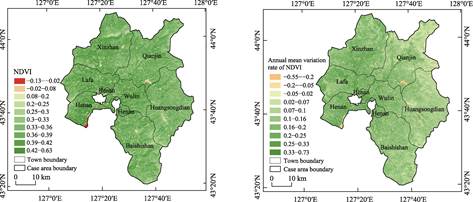
|
Figure 7 Distribution map of NDVI (2022)
|
Figure 8 Distribution map of annual NDVI change rate (2000–2022)
|
4.4 Soil Conditions
In
May 2025, the authors gathered a total of 107 soil samples from 0–1 m deep
profiles (layers: 0–10, 10–20, 20–40, 40–60, 60–80, and 80–100 cm) at 19 Ganoderma
lucidum cultivation sites within the case area (Figure 3). These samples
were dispatched to the Center for Physical and Chemical Analysis, Institute of
Geographic Sciences and Natural Resources Research, Chinese Academy of Sciences
(IGSNRR, CAS), for examination.
Soil texture,
organic carbon, and macro-nutrient contents serve as core indicators that
reflect the soil nutrient status under the combined influence of parent
material sources, soil formation processes, and agricultural management
practices. According to the international soil particle classification
standard, the average contents of clay, silt, and sand in the 0–1 m deep soil
profiles of the case area were 5.24%, 47.92%, and 46.84%, respectively. The
soil texture was predominantly silty loam (accounting for 70.1%), followed by
sandy loam (accounting for 24.3%) (Table 2). The soil pH ranged from 6.09 to
7.97, with a mean value of 6.70, generally presenting a neutral nature. The
soil electrical conductivity (EC) ranged from 11 to 117.2 μS/cm, with a mean of
29.13 μS/cm, indicating soils with low salinity and moderate fertility. The
average contents of soil organic carbon, ammonium nitrogen, nitrate nitrogen,
total nitrogen, total phosphorus, and total potassium were 12.49 g/kg, 9.14
mg/kg, 6.64 mg/kg, 1.27 g/kg, 0.68 g/kg, and 21.04 g/kg, respectively (Table
2). Approximately 15.9% and 47.7% of the samples reached Grade 3 or above for
soil organic carbon and total nitrogen content, respectively, based on the
national standard of the Second national soil survey. The contents of cadmium
(Cd), chromium (Cr), copper (Cu), nickel (Ni), lead (Pb), zinc (Zn), arsenic
(As), and mercury (Hg) in all soil layers were below the risk screening values
for soil contamination specified in the Soil environmental quality risk control standard
for soil contamination of agricultural land (Trial) (GB 15618—2018)[12]
and the limits set in the Environmental quality evaluation standards for farmland of edible
agricultural products (HJ/T 332—2006)[13] (Table 3).
Pesticide residues such as BHC and DDT were not detected in the soil,
conforming to the requirements of GB 15618—2018[12]. The 0–1 m deep
soil profiles in the case area demonstrated high nutrient contents and were
devoid of heavy metal and pesticide contamination.
4.5 Water Conditions
The
water quality at the Jiaohekou section consistently met Class III of the Environmental quality standards
for surface water (GB 3838—2002)[14]. Meanwhile, the
water quality at the
Table 2 Statistical
testing results of soil routine physical and chemical property in the case area
|
Test item
|
Depth (cm)
|
Mean
|
CV (%)
|
|
0–10
|
10–20
|
20–40
|
40–60
|
60–80
|
80–100
|
|
Number of
samples
|
19
|
19
|
19
|
18
|
17
|
15
|
–
|
–
|
|
Clay (%)
|
4.91
|
5.05
|
5.50
|
5.76
|
5.30
|
4.87
|
5.24
|
35.97
|
|
Silt (%)
|
45.94
|
48.04
|
50.81
|
50.25
|
47.81
|
43.91
|
47.92
|
26.14
|
|
Sand (%)
|
49.15
|
46.90
|
43.69
|
43.99
|
46.88
|
51.21
|
46.84
|
30.59
|
|
Texture
|
Silt loam
|
Silt loam
|
Silt loam
|
Silt loam
|
Silt loam
|
Silt loam
|
Silt loam
|
–
|
|
pH
|
6.68
|
6.62
|
6.61
|
6.68
|
6.77
|
6.86
|
6.70
|
5.80
|
|
Electrical
conductivity (μS/cm)
|
46.78
|
33.95
|
25.69
|
23.11
|
21.30
|
23.98
|
29.13
|
76.48
|
|
Organic
carbon (g/kg)
|
28.23
|
17.45
|
10.34
|
6.66
|
4.98
|
4.53
|
12.49
|
153.52
|
|
NH4-N
(mg/kg)
|
12.26
|
10.50
|
7.82
|
7.29
|
8.22
|
8.41
|
9.14
|
45.36
|
|
NO3-N
(mg/kg)
|
13.93
|
9.21
|
5.12
|
3.61
|
3.32
|
3.50
|
6.64
|
121.62
|
|
Total nitrogen
(g/kg)
|
2.53
|
1.70
|
1.18
|
0.74
|
0.62
|
0.62
|
1.27
|
111.78
|
|
Total phosphorus
(g/kg)
|
0.99
|
0.77
|
0.62
|
0.54
|
0.59
|
0.55
|
0.68
|
42.17
|
|
Total passium
(g/kg)
|
20.28
|
20.22
|
21.06
|
20.99
|
21.88
|
22.13
|
21.04
|
10.15
|
Note: – indicates no
corresponding data.
Table 3 Statistical
testing results of soil heavy metal content in the case area
|
Test item
|
Depth (cm)
|
Mean
|
Limits[12]
|
Limits[13]
|
|
0–10
|
10–20
|
20–40
|
40–60
|
60–80
|
80–100
|
|
Number of samples
|
19
|
19
|
19
|
18
|
17
|
15
|
–
|
/
|
/
|
|
Cd (mg/kg)
|
0.17
|
0.16
|
0.16
|
0.13
|
0.17
|
0.16
|
0.16
|
≤0.3
|
≤0.3
|
|
Cr (mg/kg)
|
45.79
|
46.84
|
48.40
|
50.14
|
48.38
|
46.87
|
47.74
|
≤200
|
≤200
|
|
Cu (mg/kg)
|
10.75
|
10.04
|
8.57
|
9.03
|
9.77
|
9.26
|
9.59
|
≤100
|
≤100
|
|
Ni (mg/kg)
|
17.12
|
17.51
|
18.05
|
18.83
|
18.87
|
17.90
|
18.03
|
≤100
|
≤50
|
|
Pb (mg/kg)
|
13.23
|
9.61
|
9.42
|
8.94
|
11.35
|
7.76
|
10.15
|
≤120
|
≤80
|
|
Zn (mg/kg)
|
84.61
|
77.21
|
76.67
|
74.96
|
72.35
|
72.26
|
76.58
|
≤250
|
≤250
|
|
As (mg/kg)
|
9.17
|
9.09
|
9.48
|
10.81
|
11.48
|
11.51
|
10.18
|
≤30
|
≤30
|
|
Hg (mg/kg)
|
0.07
|
0.05
|
0.03
|
0.02
|
0.03
|
0.02
|
0.04
|
≤2.4
|
≤0.5
|
Note: – indicates no
corresponding data; / indicates no corresponding standard limit.
Yangqiao
and Xinzhan sections of the Lafa River maintained or surpassed Class II
standards over the long-term. In May 2025, the authors collected 8 samples of
surface water and groundwater from the case area (Figure 3). At the sampling
sites, the pH, electrical conductivity, and total dissolved solids (TDS) were
measured with a portable multi- parameter water quality meter. The
concentrations of 8 heavy metals and 18 trace elements in the water samples
were determined at the Center for Physical and Chemical Analysis, IGSNRR, CAS.
Nitrate, chemical oxygen demand (COD), and five-day biochemical oxygen demand
(BOD5) were analyzed by Hangzhou Yanqu Information Technology Co.,
Ltd.
The pH of surface water and groundwater in
the case area ranged from 6.79 to 7.84, with a mean of 7.12, indicating weak
alkalinity. The mean values for total dissolved solids (TDS), permanganate
index, chemical oxygen demand (COD), five-day biochemical oxygen demand (BOD5),
and nitrate in the water samples were 71.43 mg/L, 2.03 mg/L, 22.13 mg/L, 5.55
mg/L, and 7.10 mg/L, respectively (Table 4). The water quality not only
conforms to the Standards
for irrigation water quality (GB 5084—2021)[15]
and the Environmental
quality evaluation standards for farmland of edible agricultural products
(HJ/T 332—2006)[13] but also meets the Standards for drinking water quality
(GB 5749—2022)[16],
Table 4 Statistical
testing results of surface water and groundwater environmental quality
|
Test item
|
Sample No.
|
Limits[15]
|
Limits[13]
|
Limits[16]
|
|
W1
|
W2
|
W3
|
W4
|
W5
|
W6
|
W7
|
W8
|
|
pH
|
7.84
|
7.25
|
6.92
|
6.86
|
6.79
|
6.94
|
7.48
|
6.85
|
5.5–8.5
|
5.5–8.5
|
6.5–8.5
|
|
ORP (mV)
|
201.4
|
192.9
|
213.1
|
154.7
|
225.7
|
234.2
|
145.7
|
215
|
/
|
/
|
/
|
|
DO (mg/L)
|
0.02
|
0.01
|
0.07
|
0.05
|
0.03
|
0.02
|
0.01
|
0.06
|
/
|
/
|
/
|
|
EC (μS/cm)
|
10
|
19
|
228
|
158
|
85
|
64
|
26
|
194
|
/
|
/
|
/
|
|
TDS (mg/L)
|
ND
|
12
|
148
|
102
|
55
|
41
|
16
|
126
|
/
|
/
|
≤1,000
|
|
SAL (mg/L)
|
ND
|
10
|
70
|
50
|
30
|
20
|
10
|
60
|
≤1,000
|
≤1,000
|
/
|
|
Chlorophyll
(mg/L)
|
14.8
|
14.1
|
12.5
|
12.3
|
15.7
|
20.2
|
0.8
|
19.9
|
/
|
/
|
/
|
|
CODMn
(mg/L)
|
1.99
|
2.23
|
1.58
|
1.50
|
1.66
|
1.75
|
2.96
|
2.56
|
/
|
/
|
≤3
|
|
COD (mg/L)
|
15
|
26
|
26
|
18
|
21
|
22
|
25
|
24
|
≤200
|
/
|
/
|
|
BOD5
(mg/L)
|
3.88
|
6.48
|
6.53
|
4.63
|
5.15
|
5.47
|
6.21
|
6.03
|
≤100
|
≤80
|
/
|
|
NO3-N
(mg/L)
|
5.21
|
7.62
|
4.43
|
4.91
|
8.09
|
8.75
|
8.85
|
8.94
|
/
|
/
|
≤10
|
|
Cd (mg/L)
|
ND
|
ND
|
ND
|
ND
|
ND
|
ND
|
ND
|
ND
|
≤0.01
|
≤0.01
|
≤0.005
|
|
Cr (mg/L)
|
0.0004
|
0.0002
|
0.0002
|
ND
|
0.0005
|
0.0012
|
0.0008
|
0.0007
|
≤0.1
|
≤0.1
|
≤0.05
|
|
Cu (mg/L)
|
ND
|
ND
|
ND
|
ND
|
ND
|
ND
|
ND
|
ND
|
≤1
|
≤1
|
≤1
|
|
Ni (mg/L)
|
0.0005
|
0.0008
|
ND
|
ND
|
ND
|
ND
|
0.0010
|
ND
|
≤0.2
|
/
|
≤0.02
|
|
Pb (mg/L)
|
ND
|
0.0040
|
ND
|
ND
|
ND
|
ND
|
ND
|
ND
|
≤0.2
|
≤0.2
|
≤0.01
|
|
Zn (mg/L)
|
ND
|
ND
|
0.0078
|
0.2010
|
0.0016
|
0.0013
|
0.0001
|
ND
|
≤2
|
≤2
|
≤1
|
|
As (mg/L)
|
ND
|
ND
|
ND
|
0.0061
|
0.0072
|
0.0002
|
ND
|
0.0060
|
≤0.1
|
≤0.1
|
≤0.01
|
|
Hg (mg/L)
|
ND
|
ND
|
ND
|
ND
|
ND
|
ND
|
ND
|
ND
|
≤0.001
|
≤0.001
|
≤0.001
|
Note: ND indicates
not detected; / indicates no corresponding standard limit.
rendering
it suitable as irrigation water for G. lucidum.
4.6 Ganoderma Lucidum Cultivation Substrate Quality
Data
The
naturally distributed tree species in the case area are primarily from the
temperate Changbai Mt. flora, with a few subtropical and cold-temperate
relatives, encompassing over 40 species from 11 families. Major species include
Xylosma congestum, elm, and Manchurian walnut. Ganoderma lucidum
cultivation in the case area utilizes Xylosma congestum wood segments
as the substrate (Figure 9). Xylosma racemosum (Sieb. & Zucc.) Miq.,
an evergreen shrub or small tree of the Salicaceae family, is lauded as the “golden
substrate” for cultivating Ganoderma lucidum or the preferred material
for “semi-wild” cultivation. In May 2025, the authors collected 4 samples of X.
congestum wood segments from the case area (Figure 3) and sent them to the
Center for Physical and Chemical Analysis, IGSNRR, CAS, for testing.
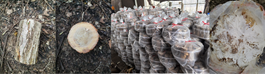
Figure 9 The
material and packaging of Xylosma congestum
wood segments, and the substrate after spawn-running
The results
indicated that X. congestum wood is hard, dense, and decomposes
slowly, providing a stable growth matrix for Ganoderma lucidum. Its
fibrous structure facilitates the attachment and expansion of Ganoderma
lucidum mycelia. The wood segments are rich in lignin and cellulose, and
contain abundant macro-nutrients like nitrogen, phosphorus, and potassium;
secondary nutrients like calcium, magnesium, and sulfur; and trace elements
such as iron, sodium, and zinc, providing ample carbon and nitrogen sources for
the mycelia. These can be converted into absorbable, readily available
nutrients by the enzymatic system of the mycelia, fulfilling the growth
requirements of the fruiting bodies. The contents of 8 heavy metals, including
cadmium, mercury, and arsenic, were all below the limits stipulated in Green food-environmental
quality for production area (NY/T 391—2021)[17] and the Technical regulations for standardized
production of Ganoderma lucidum (T/CACM 1374.83—2021)[18]
(Table 5). Using X. congestum as a natural substrate, without applying
any chemical fertilizers or pesticides during the growth process, effectively
reduces the risk of heavy metal and pesticide contamination in the products.
Table 5 Statistical testing results of elemental
contents in Xylosma congestum wood
segments used as Ganoderma lucidum cultivation
substrate
|
Test item
|
Sample No.
|
Limits[17]
|
Limits[18]
|
|
1
|
2
|
3
|
4
|
|
Total nitrogen (g/kg)
|
5.74
|
4.22
|
4.26
|
4.11
|
/
|
/
|
|
Total phosphorus (g/kg)
|
0.48
|
0.13
|
0.21
|
0.30
|
/
|
/
|
|
Total potassium (g/kg)
|
2.80
|
1.60
|
1.62
|
2.21
|
/
|
/
|
|
Cd (mg/kg)
|
ND
|
0.0468
|
0.2407
|
0.0488
|
≤0.3
|
≤1
|
|
Pb (mg/kg)
|
3.9549
|
4.2859
|
3.4501
|
3.8831
|
≤35
|
≤5
|
|
Hg (mg/kg)
|
0.0062
|
0.0041
|
0.0055
|
0.0038
|
≤0.1
|
≤0.2
|
|
As (mg/kg)
|
0.7513
|
0.6611
|
0.7864
|
0.6275
|
≤0.8
|
≤2
|
|
Cr (mg/kg)
|
2.9613
|
1.1533
|
1.3800
|
1.8067
|
/
|
/
|
|
Cu (mg/kg)
|
4.3211
|
2.7898
|
3.7711
|
3.4344
|
/
|
/
|
|
Ni (mg/kg)
|
0.9670
|
0.8572
|
1.0752
|
2.3602
|
/
|
/
|
|
Zn (mg/kg)
|
16.7556
|
6.9198
|
25.5309
|
10.9381
|
/
|
/
|
Note: ND indicates
not detected; / indicates no corresponding standard limit.
5 Ganoderma
Lucidum Product Characteristics Data
Ganoderma lucidum generally pertains to
Ganoderma lucidum (Red Reishi). Ganoderma spores are the
reproductive cells discharged from the cap during the maturation phase of the
fruiting body, containing all the genetic active substances of Ganoderma
lucidum. The Shennong
Bencao Jing recorded the effects of Ganoderma lucidum
as “nourishing lung qi, nourishing liver qi, and nourishing spleen qi”. The
2020 edition of the Pharmacopoeia of China[3] elaborated in detail
on the properties and functions of Ganoderma lucidum and its spores.
The G. lucidum in the case area is mainly Ganoderma lucidum
(Red Reishi), featuring individual, non-clustered fruiting bodies with round
and regular caps that are brownish-red, having a surface covered with spore
powder and a pale yellow or milky-white ventral surface. The stipes are thick,
dark brown, and lustrous. The sporoderm-broken spore powder is dark brown,
emits a fungal fragrance, and has a delicate and smooth flavor.
Polysaccharides, triterpenoids, and adenosine are the principal active
components of G. lucidum and its spore powder, demonstrating effects
such as immune enhancement, blood circulation promotion, spleen invigoration
and lung nourishment, hypoglycemic and hepatoprotective effects, as well as
anti-tumor and anti-cancer properties[5,6,19,20].
5.1 Ganoderma Lucidum Slices Quality
Testing
of Ganoderma lucidum slices conducted by the authors showed that
polysaccharide, total triterpenoid, and adenosine contents ranged from 0.98 to
1.62 g/100g, 0.73 to 1.94 g/100g, and 104 to 152 mg/kg, respectively, with mean
values of 1.32 g/100g, 1.23 g/100g, and 138.25 mg/kg (Table 6). These values
surpassed the limits specified in the 2020 edition of the Pharmacopoeia of China[3].
Pesticides including insecticides like deltamethrin, herbicides like 2,4-D, and
fungicides like tebuconazole were not detected (Table 6), indicating no
pesticide contamination.
Table 6 Statistical
testing results of Ganoderma lucidum slice
quality in the case area
|
Test
item
|
Unit
|
Range
|
Mean
|
Limits[3]
|
|
Crude polysaccharides
|
g/100g
|
0.98–1.62
|
1.32
|
≥0.9
|
|
Triterpenes
|
g/100g
|
0.73–1.94
|
1.23
|
≥0.5
|
|
Adenosine
|
mg/kg
|
104–152
|
138.25
|
/
|
|
Deltamethrin
|
mg/kg
|
ND
|
ND
|
/
|
|
Cyfluthrin and beta-cyfluthrin
|
mg/kg
|
ND
|
ND
|
/
|
|
Cypermethrin and beta-cypermethrin
|
mg/kg
|
ND
|
ND
|
/
|
|
Tebuconazole
|
mg/kg
|
ND
|
ND
|
/
|
|
Dinotefuran
|
μg/kg
|
ND
|
ND
|
/
|
|
2,4-Dicholrophenoxyacetic acid
|
mg/kg
|
ND
|
ND
|
/
|
|
Ortho-phenylphenol
|
mg/kg
|
ND
|
ND
|
/
|
|
Acetamiprid
|
mg/kg
|
ND
|
ND
|
/
|
|
Prochloraz
|
mg/kg
|
ND
|
ND
|
/
|
|
Procymidone
|
mg/kg
|
ND
|
ND
|
/
|
|
Carbendazim
|
mg/kg
|
ND
|
ND
|
/
|
Note: ND indicates
not detected; / indicates no corresponding standard limit.
5.2 Sporoderm-Broken Ganoderma Lucidum
Spore Powder Quality
The
test results demonstrated that the average sporoderm-broken rate of the spore
powder from the case area reached 99.2%, with the average contents of total
triterpenoids and polysaccharides being 9.16 g/100g and 2.47 g/100g
respectively (Table 7). These values exceeded the limits stipulated by the
enterprise standards of major manufacturers[21–24] and the group
standard Ganoderma lucidum spore powder from Changbai Mt. in Jilin
(T/YYTC 008—2024)[25]. The mean values of moisture, ash, and
peroxide value were 4.83%, 0.80%, and 0.08 g/100g respectively. The contents of
heavy metals such as lead, arsenic, and mercury, as well as the counts of
aerobic plate, coliforms, and mold and yeast, were below the relevant limits.
Pesticides such as BHC and DDT, and pathogenic bacteria such as Salmonella
and Staphylococcus aureus, were not detected (Table 7). The contents
of ash, lead, arsenic, and mercury in the sporoderm-broken spore powder from
the case area were lower than those reported for products from Guanxian in
Shandong, Jinzhai and Jingde in Anhui, and Pingnan in Fujian[26,27].
Previous research has indicated that the ash content of sporoderm-broken spore
powder is lower than that of unbroken spore powder, while the polysaccharide
content is higher[27,28]. The sporoderm-broken Ganoderma lucidum
spore powder from the case area features a high sporoderm-broken rate, is safe,
and has higher active component contents compared to products from other
regions that use agricultural by-products as base materials.
Table 7 Statistical
testing results of sporoderm-broken Ganoderma lucidum spore
powder quality
|
Test item
|
Unit
|
Range
|
Mean
|
Limits 1[21]
|
Limits 2[22]
|
Limits 3[23]
|
Limits 4[24]
|
Limits 5[25]
|
|
Cell wall breaking rate (%)
|
%
|
98.7–99.6
|
99.2
|
≥95
|
≥95
|
/
|
≥95
|
/
|
|
Triterpenes
(as ursolic acid)
|
g/100g
|
3.5–14.4
|
9.16
|
≥2.2
|
≥2.0
|
≥2.6
|
/
|
≥7.5 (Calculated as oleanolic
acid)
|
|
Crude polysaccharides
(as anhydrous glucose)
|
g/100g
|
1.54–12.6
|
2.59
|
≥1.5
|
≥0.9
|
≥1.5
|
≥2.0
|
≥1.6
|
|
Moisture
|
%
|
1.68–6.6
|
4.83
|
≤9.0
|
≤9.0
|
≤9.0
|
≤9.0
|
≤9.0
|
|
Ash
|
%
|
0.31–1.3
|
0.80
|
≤3.0
|
≤3.0
|
≤3.0
|
≤3.0
|
≤3.0
|
|
Peroxide value
|
g/100g
|
0.01–0.18
|
0.08
|
≤0.2
|
≤0.2
|
≤0.2
|
≤0.20
|
/
|
|
Hexachlorocyclohexane
|
mg/kg
|
/
|
/
|
≤0.2
|
≤0.1
|
≤0.1
|
≤0.2
|
≤0.05
|
|
DDT
|
mg/kg
|
/
|
/
|
≤0.2
|
≤0.1
|
≤0.1
|
≤0.2
|
≤0.05
|
|
Pb
|
mg/kg
|
0.055~0.184
|
0.10
|
≤1.9
|
≤1.95
|
≤1.95
|
≤1.9
|
≤1.8
|
|
As
|
mg/kg
|
0.046–0.38
|
0.13
|
≤1.0
|
≤1.0
|
≤1.0
|
≤1.0
|
≤0.9
|
|
Hg
|
mg/kg
|
0.003–0.02
|
0.01
|
≤0.1
|
≤0.3
|
≤0.3
|
≤0.1
|
≤0.1
|
|
Cd
|
mg/kg
|
0.032–0.26
|
0.14
|
/
|
/
|
/
|
≤0.5
|
≤0.5
|
|
Cr
|
mg/kg
|
0.1–0.95
|
0.55
|
/
|
/
|
/
|
≤2.0
|
≤2.0
|
|
Ni
|
mg/kg
|
0.109–0.6
|
0.35
|
/
|
/
|
/
|
≤1.0
|
≤0.9
|
|
Total bacterial count
|
CFU/g
|
<10
|
<10
|
≤30,000
|
≤30,000
|
≤30,000
|
≤30,000
|
/
|
|
Coliform
|
MPN/g
|
<0.3
|
<0.3
|
≤0.92
|
≤0.92
|
≤0.92
|
≤0.92
|
/
|
|
Molds and yeasts
|
CFU/g
|
<10
|
<10
|
≤50
|
≤50
|
≤50
|
≤50
|
/
|
|
Salmonella
|
0/25g
|
–
|
/
|
≤0
|
≤0
|
≤0
|
≤0
|
/
|
|
Staphylococcus aureus
|
0/25g
|
–
|
/
|
≤0
|
≤0
|
≤0
|
≤0
|
/
|
Note: – indicates
no corresponding data; / indicates no corresponding standard limit.
6 Ganoderma
Lucidum Industry Management
6.1 Socioeconomic Overview of Jiaohe City
The
statistical communiqués on the national economic and social development of
Jiaohe City from 2013 to 2024 indicate
that the total population decreased from 445,700 to 392,000. Simultaneously,
the rural population declined from 277,000 to 231,000, and the urbanization
rate increased from 37.83% to 41.07%. The GDP decreased from 21.205 billion CNY
to 10.660 billion CNY. Specifically, the added-value of the primary industry
declined from 3.578 billion CNY to 2.980 billion CNY. The industrial structure
ratio changed from 16.9:50.0:33.1 to 27.9:19.6:52.5, demonstrating a
significant decline in the proportion of the secondary sector and a strong
growth trend for the tertiary sector. The urban per capita disposable income
increased from 17,490 CNY to 31,619 CNY, with an average annual increment of
1,177 CNY. The rural per capita disposable income rose from 10,012 CNY to
21,280 CNY, with an average annual increment of 939 CNY.
6.2 Cultivation History and
Industrial Development
The
exploration and utilization of Ganoderma lucidum in China can be
traced back 6,800 years. As per the earliest pharmacological treatise in China,
the Shennong
Bencao Jing, Ganoderma is categorized into 6 varieties: Zi
Zhi (Purple Ganoderma), Chi Zhi (Red Ganoderma), Qing Zhi (Green Ganoderma),
Huang Zhi (Yellow Ganoderma), Bai Zhi (White Ganoderma), and Hei Zhi (Black
Ganoderma), characterized by a sweet taste and a neutral property. Medical
records from the Han, Tang, and Song dynasties, including the Shang Han Lun
and Jin
Kui Yao Lue, contain relevant descriptions. During the Ming
Dynasty, works such as the Bencao Gangmu, Weinan Bencao, and Bencao Yuanshi
offered comprehensive accounts of the morphology and medicinal efficacy of Ganoderma
lucidum.
|
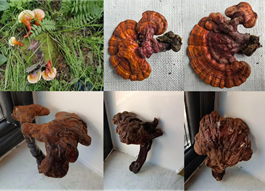
Figure 10 Wild Ganoderma
lucidum in the
case area
|
Jiaohe City is
rich in wild G. lucidum resources (Figure 10). Villagers have been
collecting wild G. lucidum for nearly a century. In the spring of
1989, the first Changbai Mountain Red Reishi was cultivated in Huangsongdian
Town, pioneering artificial cultivation. According to the Jiaohe City Annals
(1998–2003), large-scale artificial cultivation in Jiaohe City began in 1995.
In 2001, Huangsongdian Town, a primary production area for Jiaohe G.
lucidum, was designated an Organic Ganoderma lucidum Production
Base by the Food and Agriculture Organization of the United Nations (FAO). In
2005, Huangsongdian Town was recognized as a National Outstanding Base Township
for the Edible (Medicinal) Fungi Industry by the China Edible Fungi
Association. In 2009, Huangsongdian Town pioneered the introduction and
optimization of axial flow fans combined with specially designed collection
bags for spore powder harvesting, achieving low-loss, high-efficiency
collection. In July 2015, the Ministry of Agriculture approved the registration
of “Huangsongdian Ganoderma lucidum” as a National Agro-product
Geographical Indication. In 2018, “Huangsongdian G. lucidum” was
approved by the State Administration for Industry and Commerce as a China geographical
indication certification trademark.
In the past two
decades, the Huangsongdian Edible (Medicinal) Fungi Association has been
founded, and enterprises specializing in the deep-processing of Ganoderma
lucidum, such as “Beizhi”, “Fuzhidao”, and “Jinzhilou”, have emerged in
succession. These enterprises integrate scientific research, cultivation,
processing, sales, technical consultation, and training related to edible and
medicinal fungi. They supply medicinal fungal raw materials to major domestic Ganoderma
lucidum enterprises, pharmaceutical factories, health product
manufacturers, and research institutions. In 2022, taking advantage of the
“Huangsongdian Ganoderma lucidum Geographical Indication Protection
Project” initiated by the Ministry of Agriculture and Rural Affairs, a
1,000-greenhouse Ganoderma lucidum cultivation base was established.
By 2024, 7 workshops in Jiaohe City met the Good Manufacturing Practice (GMP)
standards, and 17 health food registration and filing approvals were obtained.
Currently, the Ganoderma
lucidum product categories in Jiaohe include Ganoderma lucidum
slices, Ganoderma lucidum cubes, sporoderm-broken Ganoderma
lucidum spore powder, Ganoderma lucidum spore oil, Ganoderma
lucidum pancakes, and Ganoderma lucidum bonsai. A comprehensive
industrial chain production model has been established, which encompasses spawn
cultivation, technical guidance, corporate buy-back, and deep processing into
high-value-added products. The production model has transformed from an
extensive production and low-price sales model to new business formats
integrating e- commerce live streaming and culture-tourism integration. The
products are sold to 31 countries and regions, including Japan, South Korea,
and the United States.
From 2014 to
2025, the scale of G. lucidum cultivation in Jiaohe City expanded from
917 greenhouses (1.1 million segments) to 3,272 greenhouses (3.6 million
segments). Total output, G. lucidum yield, and spore powder yield
increased from 343.9 t, 229.3 t, and 114.6 t to 1,300 t, 850 t, and 450 t,
respectively. The output value grew from 25.905 million CNY to 98 million CNY
(Table 8), making it a significant industry for rural revitalization and
farmers’ income growth.
Table 8 Statistics
of Ganoderma lucidum cultivation scale in Jiaohe City (2014–2025)
|
Year
|
Cultivation quantity (10,000
segments)
|
Number of greenhouses
|
Total yield (t)
|
Fruiting body yield (t)
|
Spore powder yield (t)
|
Output value (10,000 CNY)
|
|
2014
|
110
|
917
|
343.9
|
229.3
|
114.6
|
2,590.5
|
|
2015
|
60
|
500
|
187.5
|
125.0
|
62.5
|
1,412.5
|
|
2016
|
100
|
833
|
312.4
|
208.3
|
104.1
|
2,665.6
|
|
2017
|
100
|
833
|
312.4
|
208.3
|
104.1
|
2,748.9
|
|
2018
|
140
|
1,167
|
437.6
|
291.8
|
145.9
|
3,851.1
|
|
2019
|
130
|
1,083
|
406.1
|
270.8
|
135.4
|
3,573.9
|
|
2020
|
140
|
1,167
|
437.7
|
291.8
|
145.9
|
3,851.8
|
|
2021
|
70
|
583
|
204.1
|
116.6
|
87.5
|
2,075.5
|
|
2022
|
178
|
1,483
|
519.1
|
296.6
|
222.5
|
4,389.7
|
|
2023
|
184
|
1,533
|
536.6
|
306.6
|
230.0
|
5,457.5
|
|
2024
|
310
|
2,800
|
981.8
|
420.8
|
561.0
|
7,237.0
|
|
2025
|
360
|
3,272
|
1,300.0
|
850.0
|
450.0
|
9,800.0
|
6.3 Ganoderma Lucidum Cultivation Management
Production
bases are established in areas with altitudes exceeding 350 m, characterized by
favorable ecological conditions, level terrain, convenient irrigation and
drainage systems, and the absence of pollution sources within a 5-km radius and
20-km upwind area. Greenhouse cultivation is employed, with dedicated sites for
spawn segment preparation, spawn running, and fruiting (Figure 11). The “Jiaohe
Model”, which is adapted to the local climate, raw materials, soil, and water
environment, has been developed:
(1) Cultivation techniques
Fresh wood of Xylosma
congestum harvested during the period from the Winter Solstice to the
Beginning of Spring is utilized. Straight trunks and branches are cut into
segments with a length of 13–15 cm and evenly split. Segments with a diameter
less than 7 cm and twigs do not necessitate splitting; segments with a diameter
of 7–10 cm are split into 2 parts; segments with a diameter exceeding 10 cm are
split into 4–6 pieces. The processed wood segments are bundled into circular
bundles with a diameter of approximately 30 cm, placed in bags, and the bags
are tightly sealed (Figure 9). The wood segments undergo sterilization,
disinfection, inoculation, and spawn-running processes. Greenhouses are
oriented in a north-south direction, with a length of 24 m, a width of 7 m, and
a height of 2.2 m. Drainage ditches are dug at the ends and sides, 0.5 m away
from the greenhouse. Approximately 1,200 segments are placed in each
greenhouse, and they are given a 7-d resting period before being transferred to
the soil. When the temperature consistently exceeds 25 ℃, the nursery beds
are leveled. The plastic bags are removed, and the inoculated ends of the
segments are placed facing upwards on the beds. The segments are positioned at
a distance of 1–1.5 m from the greenhouse entrance, with an inter-segment
distance of 3–5 cm and a row spacing of 8 cm, and then covered with 2 cm of
soil. Water reservoirs, pumps, and water pipelines are configured in accordance
with the base scale. An irrigation system is installed, which is connected to
rotating in-ground misting sprinklers.
(2) Greenhouse management
The initial
watering is carried out 10 days subsequent to soil covering. Germination is
triggered when temperatures persistently surpass 28 ℃. Throughout the
germination phase, soil moisture is preserved while waterlogging is precluded,
with due consideration given to ventilation and warming. When temperatures fall
below 20 ℃ or during consecutive overcast days, supplementary scattered light
is supplied to facilitate primordium formation.
During the bud
stage, both soil and air humidity within the greenhouse are sustained, with watering conducted approximately 5 times per day.
The frequency of watering is decreased or halted on rainy days and appropriately
augmented on sunny days. When buds attain a height of approximately 7 cm,
thinning is implemented, retaining 1–2 robust buds per segment.
During the cap
expansion stage, frequent misting is employed to maintain a humid atmosphere
inside the greenhouse. Light distribution is uniform, and adequate ventilation
is ensured within 40 cm above the ground level to guarantee sufficient stipe
length and flat cap expansion. If adjacent fruiting bodies are in close
proximity, the segments are rotated and re -covered with soil in a timely
fashion.
During the spore
ejection stage, the temperature inside the greenhouse is regulated within the
range of 28–35 ℃. Appropriate misting is utilized to preserve soil
moisture, while daytime air humidity is maintained at 50%–60%. The entrance
area of the greenhouse is shaded to prevent direct sunlight from irradiating
the fruiting bodies near the entrance, and adequate ventilation is provided to
ensure normal sporulation.
Each greenhouse is
equipped with two 350 W or 500 W spore collection fans. Ropes are tied from the
greenhouse roof pipes to the fans, which are positioned 3 m from the entrance
and 1 m above the ground. The fans are connected to collection bags suspended
inside the greenhouse (19 m long, 0.5 m diameter). During the collection
process, the fans operate continuously for 24 hours, the collection bags are
tapped 3–4 times per day, and the spore powder is collected from the bags each
morning.
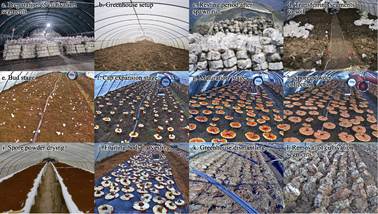
Figure 11 Ganoderma
lucidum cultivation process in the case
area
(3) Harvesting and drying
Collected spore
powder must be spread out thinly and air-dried promptly or microwave-dried at
50–60 ℃, then bagged and stored at low temperatures. Fruiting bodies are
harvested after the sporulation phase ends. The stipe is cut at the connection
point with the wood segment, and any adhering soil is removed. The caps are
placed face down, arranged individually, or the fresh G. lucidum is
sliced and dried or air-dried. Once the moisture content falls below 11%, the
product is graded and packaged.
6.4 Ecological Environment Traceability for
Jiaohe Ganoderma Lucidum
|
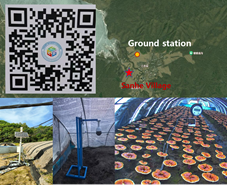
Figure 12 GIES ground station in the case area
|
To
enable near-real-time monitoring of the G. lucidum habitat, a Jiaohe Ganoderma
lucidum GIES ground station was established at the Sanhe Village
cultivation base in Huangsongdian Town in May 2025 (Figure 12). This ground
station is a low-power Internet of Things (IoT) sensing system. It dynamically
monitors and records habitat factors such as air temperature, precipitation,
wind speed, wind direction, relative humidity, atmospheric pressure, light
intensity, negative oxygen ions, soil temperature at 0–10 cm, 10–20 cm, and
20–30 cm depths, soil moisture content, and soil electrical conductivity, as
well as processes such as G. lucidum growth and spore powder
collection, and transmits the data back in real time.
7 Discussion and Conclusion
Ganoderma lucidum is a fungus of the
genus Ganoderma with health-promoting properties and high economic
value. Its industry possesses broad development prospects and requires
integrated development in terms of government support,
industry-academia-research collaboration, and marketing promotion.
7.1 Deepening Technological Innovation,
Addressing Continuous Cropping Obstacles,
and Enhancing Industrial Benefits
National
and local laws and regulations on the conservation and utilization of G.
lucidum are insufficient, leading to occasional illegal harvesting of wild
germplasm resources. Research on the selection and breeding of high-quality
varieties for artificial cultivation lags, or selected varieties are unsuitable
for industrialized cultivation management. Except for a few leading
enterprises, the G. lucidum industry focuses primarily on cultivation
and primary product processing, signifying a need to strengthen large-scale,
standardized cultivation and deep processing. Scientific and technological
transformation in the G. lucidum industry is insufficient, with weak
talent cultivation and technical reserves. Currently, many enterprises focus on
developing spore powder product lines, while the development and marketing of G.
lucidum products in the broader wellness sector are relatively lacking. In
the future, there is a need to strengthen the protection of G. lucidum
germplasm resources, breed new, high-quality varieties, develop standardized
cultivation management technologies, and deepen technological innovation and
empowerment.
As the scale of G.
lucidum cultivation continues expanding, continuous cropping obstacles
have become a bottleneck problem constraining the development of the G.
lucidum industry in Jiaohe City, demanding effective solutions urgently.
In the short term, there is a need for the comprehensive optimization of
cultivation methods, soil disinfection, and biological control and regulation
techniques. In the medium term, variety selection and breeding and facility
construction need strengthening. In the long term, regional crop rotation
planning and ecological circular agriculture should be promoted. Furthermore,
promoting base-oriented operations centered on land transfer is a key measure
to propel the Jiaohe G. lucidum industry beyond land resource
constraints. First, diversified models such as reverse contracting through
“cooperatives+farmers”, large-scale leasing by enterprises, or joint-stock
cooperation should guide farmers to transfer scattered land long-term and
concentratedly to new types of agricultural business entities, forming
large-scale cultivation bases with clear property rights and stable tenure.
Second, unified planning and zoning should be implemented for the transferred
contiguous land, promoting a rotation system of “G. lucidum
cultivation-green manure incorporation/fallow-soil disinfection”. Finally,
integrated policy support should be strengthened, with the government
establishing transfer service platforms, providing fiscal and financial
support, and building a solid coupling mechanism for risk-sharing and
benefit-sharing.
7.2 Improving Standard Systems,
Strengthening Market Supervision, and Enhancing Brand Influence
Currently,
most health foods derived from sporoderm-broken G. lucidum spore
powder use total triterpenoid content as a functional marker. However, national
standards, health food catalogs, and technical requirements lack clear
stipulations on the detection method for total triterpenoids specific to spore
powder and derived products. The domestic G. lucidum spore powder
industry is characterized by a competitive landscape of “numerous enterprises,
low concentration, regional brands predominating, and uneven quality”.
Industrial brand building is lagging, with low market recognition and weak
competitiveness, hindering the realization of premiums for high quality. The
National report on the development of characteristic rural industries (2024)[7]
pointed out a lack of distinctive G. lucidum varieties and severe
homogeneous competition, making it difficult to meet the demand for
high-quality, differentiated raw materials in specific medical and health care
fields, thus hampering the enhancement of industrial added value. In the
future, efforts should focus on innovating product types, improving quality
testing and environmental protection standard systems, expanding the industrial
chain, strengthening brand building, enhancing market supervision and risk
warning, adapting to market environment changes, and ensuring the high-quality
development of the G. lucidum industry.
Author Contributions
Li, D. F. formulated the case
implementation plan and survey/sampling scheme; Liu, Y. Y., Xu, L. C., Wu, J.
X., Liu, Y. N., and Li, L. P. provided historical meteorological, soil quality,
and water environment data from the case area; Guo, L. S., Jia, J. G., Ji, X.
B., Liu, X., Zhu, J. Q., Wang, D. Q., and Yan, F. F. provided data on G.
lucidum product characteristics, cultivation management, and industrial
operations; Li, D. F., Yang, J. J., Liu, Y. Y., Chen, W. M., Ma, F. W., Chen, S.
K., Xu, D. C., Wang, P. X., and Liu, S. P. conducted the field investigations
and sampling in the case area; Li, D. F., Hu, S., Wang, Z. B., Liu, J. Y., and
Wang, P. X. completed the sample testing and manuscript preparation; Liu, X. L.
provided valuable suggestions for the revision of the manuscript.
Acknowledgements
We
express our gratitude for the support and cooperation from the government
departments and leaders at all levels in Jiaohe City. We also thank the
government personnel and villagers of Huangsongdian Town, Xinzhan Town,
Baishishan Town, and Lafa Sub-district for their assistance during the
collection of soil and water samples!
Conflicts of Interest
The authors
declare no conflicts of interest.
References
[1]
Dong, Y. N., Gu, Y., Yang, K.
Z. Agricultural product branding, market integration, and agricultural income
growth [J]. J Capital Univ Econ Bus, 2021, 23(1): 70–80.
[2]
Pan, S. J. Let geographical
indications boost rural revitalization
[N]. Fujian Daily,
2021-02-28(001).
[3]
National Pharmacopoeia
Committee. Pharmacopoeia of China, 2020
Edition, Volume I [M]. Beijing: China Medical Science Press,
2020.
[4]
Wang, T. T., Xu, J. Z., Liu, X.
L. Research progress on Ganoderma lucidum cultivation [J]. Journal
of Fungal Research, 2024, 22(1): 94–102.
[5]
Lin, Z. B. From prehistory to
modern times—a brief history of Ganoderma lucidum medical and
pharmacological development in China [J]. Journal of Fungal Research,
2024, 22(1): 1–8.
[6] Zhang, Y. K., Yao, Y., Yang, B. X.
Pharmacological research progress of Ganoderma lucidum polysaccharides
[J]. Journal of Fungal Research, 2024, 22(1): 22–38.
[7] Department of Rural Industry Development,
Ministry of Agriculture and Rural Affairs. National
report on the development of characteristic rural industries (2024) [R]. Beijing: China Agriculture Press, 2025.
[8] Liu, C., Gong, K., Liu, Y. H., et al.
An innovative solution on Geographical Indications Environment
& Sustainability (GIES) [J]. Journal of Global Change Data &
Discovery, 2021, 5(3): 237–248. https://doi.org/10.3974/geodp.2021.03.03.
[9] Li, D. F., Hu, S., Yang, J. J., et al.
Dataset for the Jiaohe Ganoderma lucidum geo-ecological environment case
study in the Changbai Mountain area [J/DB/OL]. Digital Journal of Global
Change Data Repository, https://doi.org/10.3974/geodb.2025.11.01.V1.
[10] GCdataPR Editorial Office. GCdataPR data sharing policy
[OL]. https://doi.org/10.3974/dp.policy.2014.05 (Updated 2017).
[11] Ministry of Environmental Protection, General
Administration of Quality Supervision, Inspection and Quarantine. Ambient air quality standards (GB 3095—2026)
[S]. Beijing: China Environmental Science Press, 2026.
[12] Ministry of Ecology and Environment, State
Administration for Market Regulation. Soil environmental
quality-risk control standard for soil contamination of agricultural land
(Trial) (GB 15618—2018) [S]. Beijing: China Environmental
Publishing Group, 2018.
[13] State Environmental Protection Administration. Environmental quality evaluation standards for
farmland of edible agricultural products (HJ/T 332—2006)
[S]. Beijing: China Environmental Science Press, 2006.
[14] State Environmental Protection Administration, General
Administration of Quality Supervision, Inspection and Quarantine. Environmental quality standards for surface water
(GB 3838—2002) [S]. Beijing: China Environmental Science Press,
2002.
[15] Ministry of Ecology
and Environment of P. R. China, State Administration for Market Regulation. Standards for irrigation water quality (GB 5084—2021) [S]. Beijing: China
Environmental Publishing Group, 2021.
[16] State Administration for Market Regulation,
Standardization Administration. Standards
for drinking water quality (GB
5749—2022) [S]. Beijing: China Standards Press, 2022.
[17] Ministry of Agriculture and Rural Affairs of P. R.
China. Green food-environmental quality for
production area (NY/T 391—2021) [S]. Beijing: China Agriculture
Press, 2021.
[18] China Association of Chinese Medicine. Technical regulations for standardized production of Ganoderma lucidum (T/CACM
1374.83—2021) [S]. Beijing: China Agriculture Press, 2021.
[19] Tao, T. T., Huang, H. J. Health benefits and prospects
of Ganoderma lucidum spore powder [J]. Bei Fang Yao Xue, 2015,
12(5): 113.
[20] Liu, Y. R., Huang, H.
J. Research progress on the functional effects of Ganoderma lucidum
spore powder [J]. Food and Nutrition in China, 2016, 22(4):
65–69.
[21] Senzhifu (Jilin) Biotechnology Co., Ltd. Health food–Senzhifu brand sporoderm-broken Ganoderma lucidum spore powder (Q/JSZF0001S—2024) [S].
2024.
[22] Fuzhidao (Jilin) Biotechnology Co., Ltd. Health food–Fuzhidao brand sporoderm-broken Ganoderma lucidum spore powder (Q/JHFZ001S—2022) [S]. 2022.
[23] Jilin Jinzhilou Biotechnology Co., Ltd. Health food–Jinzhilou (R) sporoderm-broken Ganoderma lucidum spore powder (Q/JZLS0001S—2023) [S].
2023.
[24] Jilin Beizhi Biotechnology Co., Ltd. Health food ingredient–sporoderm-broken Ganoderma
lucidum spore
powder (Q/JBZS0008S—2021) [S]. 2021.
[25] Jilin Horticultural and Specialty Products Association. Ganoderma
lucidum spore
powder from Changbai Mountain in Jilin (T/YYTC 008—2024)
[S]. 2024.
[26] Hu, X., Wang, Y., Lu, R. P., et al. Determination
of heavy metal content in Ganoderma lucidum spore powder from different
origins by ICP-MS [J]. Strait Pharmaceutical Journal, 2016, 28(11):
81–84.
[27] Wang, P. Q., Li, W. J., Wang, J. M. Analysis of
moisture, ash, and Pb, Cd, As, Hg contents in Ganoderma lucidum spore
powder from different origins [J]. Journal of Henan University (Medical Science), 2020, 39(2): 85–88.
[28] Huang, X. L., Wu, H. Q., Huang, F., et al.
Analysis of polysaccharides in sporoderm-broken and unbroken Ganoderma
lucidum spore powder [J]. Chinese Traditional and Herbal Drugs,
2006, 37(6): 813–816.