GIES Case Study on Hunjiang Schisandra Chinensis in Valley Terraces of Sandaogou
Town
LU Hongwei1* XU Duo2 YANG Shuang3 ZHANG Mengyao3 YANG Yunfei1 ZHANG Huizhi4 XUE Yuxuan1 LEI Hong1 CUI Yuwei5 WANG Lei5 ZHANG Fusen5 PENG Lida5 FENG Hua3 GU Pingchuan6,7 WANG Xiang8 LU Guoyu9 PAN Honggang10 WANG Shijie11
1. Institute of Geographic Sciences
and Natural Resources Research, Chinese Academy of Sciences, Beijing 100101,
China; 2. People’s Government of HunJiang
District, Baishan City, Jilin Province, Hunjiang 134300, China; 3. Hunjiang
Sub-district Office, Baishan Municipal Administration for Market Regulation, Hunjiang 134300,
China; 4. Institute of Data Science and Agricultural
Economics, Beijing Academy of Agriculture and Forestry Sciences, Beijing
100097, China; 5. Sandaogou Town, Hunjiang District, Baishan City, Jilin
Province, Hunjiang 134307, China; 6. Sandaogou Qiangnong
Cooperative Union, Hunjiang 134307,
China; 7.
Ditai Village, Sandaogou
Town, Hunjiang District, Baishan City, Jilin Province,
Hunjiang 134307, China; 8. Erdaogou
Village, Sandaogou
Town, Hunjiang District, Baishan City, Jilin
Province, Hunjiang 134307, China; 9. Jilin Jiuxiancao Agricultural and Sideline
Products Processing Co., Ltd, Hunjiang 134307,
China; 10. Baishan Debaicai Ecological Technology Co., Ltd, Hunjiang 134307,
China; 11. Jilin Agricultural Science and Technology
College, Jilin 132109, China
Abstract:
Sandaogou Town, Hunjiang District, Baishan City, Jilin Province, covers an
area of 426.62 km2, administers 6 administrative villages, and has a
total population of 2,812. The region is characterized by a temperate
continental monsoon climate with pronounced seasonal variation, abundant
precipitation, and sufficient sunshine. Soil is fertile and meet national
standards for soil environmental quality and the control of agricultural land
soil pollution. Irrigation water is sourced from precipitation and tributaries
of the Yalu River; meets the Class I standards of the national environmental
quality standards for surface water and the standards for drinking water
quality, supporting optimal growth conditions for Schisandra chinensis.
In 2024, the cultivated area reached 450.8 ha. Schisandra produced in Sandaogou Town has a schisandrin
content (dried weight) exceeding the standards set by the Pharmacopoeia of
China, and contains abundant flavonoids and amino acids, indicating high
medicinal value and product quality. Based on scientific data, this case study
summarizes a model for the conservation and sustainable development of the valley terrace habitats of Schisandra chinensis in Sandaogou Town, Hunjiang
District. This case dataset comprises 5
components: (1) boundary data of the case area; (2) physical geography
data; (3) characteristic data of Schisandra chinensis; (4) industrial
development and management operations; (5)
photos. The dataset is archived in .shp, .docx, .jpg,
.tif and .xlsx formats, and consist of 88 data files
with data size of 37.8 MB (compressed into one file with 29.4 MB).
Keywords: Changbai Mountain; Schisandra
chinensis; Sandaogou Town; GIES; Case 30
DOI: https://doi.org/10.3974/geodp.2026.03.03
Dataset Availability Statement:
The dataset supporting this paper
was published and is accessible through the Digital Journal of Global Change Data Repository
at: https://doi.org/10.3974/geodb.2026.02.05.V1.
1 Introduction
The Schisandraceae
family belongs to the Magnoliidae subclass and the Magnoliales order, comprising the Schisandra genus (Schisandra
Michx.) and the Kadsura genus (Kadsura Kaempf. Ex Juss). Globally, 39
species of Schisandraceae have been identified, with
29 species native to China, making it the region with the most concentrated
distribution of Schisandraceae plants[1]. Schisandraceae plants are primarily distributed in North
China, Northeast China, Inner Mongolia, and Henan Province within China, with
additional occurrences in the Russian Far East, the Korean Peninsula, Japan,
and India. In China, the primary sources for
the commonly used medicinal Schisandra are the dried mature fruits of Schisandra
chinensis (Northern Schisandra) and Schisandra sphenanthera
(Southern Schisandra). These fruits are named for their distinctive taste
profile, including sour, sweet, pungent,
bitter, and salty[2]. Schisandra chinensis, primarily
produced in northeastern China. Its fruits are large with thick flesh, ranging
in color from deep red to purplish black. They contain high levels of medicinal
components and exhibit potent therapeutic effects[3]. In contrast, Schisandra
sphenanthera is primarily cultivated in Hubei,
Henan, Shaanxi, Shanxi, Gansu, and other provinces, produces smaller fruits
with comparatively lower medicinal efficacy[4].
|
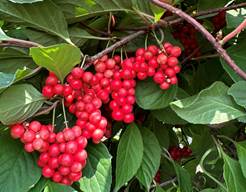
Figure
1 Schisandra Chinensis of Sandaogou
Town, Hunjiang District
|
Sandaogou Town, Hunjiang District, is located in the southeastern part of
Jilin Province at the foot of the Changbai Mt. It
features a temperate continental monsoon climate with distinct seasonal
changes, abundant precipitation, and sufficient annual sunshine. These
environmental characteristics provide suitable conditions for the cultivation
of Schisandra chinensis (Figure 1). Currently, Changbai
Mt. Schisandra is a nationally recognized geographical indication product. Sandaogou Town falls within the protected geographical
indication production area of this geographical indication product and is
authorized to use the “Geographical Indication of China” of Changbai
Mt. Schisandra.
This study compiled and analyzed
data regarding the ecological environment of Sandaogou
Town in Hunjiang District and the characteristics of Schisandra
chinensis products. It developed the GIES case dataset on Hunjiang Schisandra Chinensis in valley terraces of Sandaogou Town, aiming to provide scientific
support for the habitat conservation and sustainable development of Schisandra
chinensis products from Sandaogou Town.
2
Metadata of the Dataset
The metadata of the GIES case
dataset on Hunjiang District Schisandra chinensis
mountain valleys in Sandaogou Town[5] is
summarized in Table 1. It includes the dataset full name, short name, authors,
year of the dataset, data format, data size, data files, data publisher, and
data sharing policy, etc.
Table 1 Metadata summary of the GIES case
dataset on Hunjiang District Schisandra chinensis
mountain valleys in Sandaogou Town
|
Items
|
Description
|
|
Dataset full name
|
GIES case dataset on Hunjiang District Schisandra chinensis mountain
valleys in Sandaogou Town
|
|
Dataset short name
|
HunjiangSchisandraChinensisCase30
|
|
Authors
|
Lu, H. W., Institute of Geographic Sciences and
Natural Resources Research, Chinese Academy of Sciences, luhw@igsnrr.ac.cn
|
|
|
Xu, D., People’s Government of Hunjiang District, Baishan City, Jilin Province, 781482619@qq.com
|
|
|
Yang, S., Hunjiang
Sub-district Office, Baishan Municipal Administration for Market Regulation, 59330666@qq.com
|
|
|
Zhang, M. Y., Hunjiang
Sub-district Office, Baishan Municipal Administration for Market Regulation, 554286240@qq.com
|
|
|
Yang, Y. F., Institute of Geographic Sciences and
Natural Resources Research, Chinese Academy of Sciences, yangyunfei24@mails.ucas.ac.cn
|
|
|
Zhang, H. Z., Institute
of Data Science and Agricultural Economics, Beijing Academy of Agriculture
and Forestry Sciences, zhanghuizhi@baafs.net.cn
|
|
|
Xue, Y. X., Institute of Geographic Sciences
and Natural Resources Research, Chinese Academy of Sciences, xueyx.20b@igsnrr.ac.cn
|
|
|
Lei, H., Institute of Geographic Sciences
and Natural Resources Research, Chinese Academy of Sciences, leihong251@mails.ucas.ac.cn
|
|
|
Cui, Y. W., Sandaogou
Town, Hunjiang
District, Baishan City, Jilin Province, 18743919177@139.com
|
|
|
Wang, L., Sandaogou Town, Hunjiang District, Baishan City, Jilin Province, 13943938898@139.com
|
|
|
Zhang, F. S., Sandaogou Town, Hunjiang District, Baishan City, Jilin Province, 58823121@qq.com
|
|
|
Peng, L. D., Sandaogou Town, Hunjiang District, Baishan City, Jilin Province, 13943911515@139.com
|
|
|
Feng, H., Hunjiang
Sub-district Office, Baishan Municipal Administration for Market Regulation, 329900785@qq.com
|
|
|
Gu, P. C., Sandaogou Qiangnong Cooperative
Union, Ditai Village, Sandaogou
Town, Hunjiang District, Baishan City, Jilin
Province, 16604392777@139.com
|
|
|
Wang, X., Erdaogou Village, Sandaogou
Town, Hunjiang District, Baishan City, Jilin
Province, 13843903983@139.com
|
|
|
Lu, G. Y., Jilin Jiuxiancao Agricultural and Sideline Products Processing
Co., Ltd, jljxc2025@126.com
|
|
|
Pan, H. G., Baishan Debaicai Ecological Technology Co., Ltd, 178920576@qq.com
|
|
|
Wang, S. J., Jilin
Agricultural Science and Technology College, 172975673@qq.com
|
|
Geographical region
|
Sandaogou Town, Hunjiang
District, Baishan City, Jilin Province: 41°29′50″N–41°48′10″N,
126°22′41″E–126°41′18″E
|
|
Year
|
2025
|
|
Data format
|
.xlsx, .shp, .tif, .jpg, .docx
|
|
Data size
|
37.8 MB (compressed to 29.4 MB)
|
|
Data files
|
Boundary data of the case area; Physical geography
data; Characteristic data of Schisandra chinensis; Industrial
development and management operations, etc.
|
|
Foundation
|
Jilin Provincial
Administration for Market Regulation (2025)
|
|
Data publisher
|
Global Change
Research Data Publishing & Repository, http://www.geodoi.ac.cn
|
|
Address
|
No. 11A, Datun
Road, Chaoyang District, Beijing 100101, China
|
|
Data sharing policy
|
(1) Data are openly available and can be free downloaded via the
Internet; (2) End users are encouraged to use Data subject to citation; (3) Users, who are by definition also
value-added service providers, are welcome to redistribute Data subject to written permission
from the GCdataPR Editorial Office and the issuance of a Data redistribution license; and (4) If Data are used to compile new datasets, the “ten per- cent
principle” should be followed such that Data
records utilized should not surpass 10% of the new dataset contents, while
sources should be clearly noted in suitable places in the new dataset[6]
|
|
Communication
and searchable system
|
DOI, CSTR, Crossref,
DCI, CSCD, CNKI, SciEngine, WDS, GEOSS, PubScholar, CKRSC
|
3 Case Dataset Development
3.1 Case Area
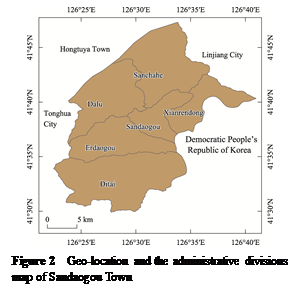
Hunjiang District, located at the
foot of the Changbai Mt.
in southeastern Jilin Province, is bordered Tonghua
County of Tonghua City to the west, Liuhe County to the north, Ji’an City to the south, and Jiangyuan
District and Linjiang City to the east. To the southeast,
it faces the Democratic People’s Republic of Korea across the river, with a
border length of 45 km. The district administers 8 subdistricts and 4 towns
(Figure 2). Currently,
the district’s total area dedicated to specialty agriculture reaches 20.67 km2,
with 8 km2 allocated to medicinal herb cultivation and over 30
varieties are cultivated.
The case area is situated in Sandaogou
Town, southern Hunjiang District, Baishan City, Jilin
Province (41°29′50″N–41°48′10″N, 126°22′41″E–126°41′18″E). It faces North
Korea’s Cicheng County across the river to the east,
borders Ji’an City’s Qingshi
Town to the south, connects with Hongtuya Town to the west, and adjoins Linjiang City’s Weishahe Town to
the north. The town has a border length of 45 km, an administrative area of
426.62 km2, and a total population of 2,812, comprising 6
administrative villages (Figure 2). Currently, Sandaogou
Town is the primary cultivation zone for Sandaogou Schisandra
chinensis, with 4.51 km2 under cultivation and an annual fresh
fruit production of approximately 6,956 t.
3.2 Ecological and Environmental Data
3.2.1 Topography
 The case area is situated in the low-mountainous
regions of the Longgang and Laoling ranges with
terrain gradually sloping from north to south and is characterized by
undulating ridges, dense forests, layered peaks, and intersecting ravines.
Major mountain ranges include Laohu Ridge, Laotudingzi Ridge, Dahainanpo
Ridge, Laoliangzi Ridge, Toudaoyangcha
Ridge, and Bugedonggou Ridge. The dominant topography
within the study area comprises low- to- medium undulating mountains,
medium-undulating low mountains, and medium-undulating
mountains. Among these, medium-undulating mountains cover 390.54 km2
(91.54%) and represent the most prevalent topographic type. Low-to-medium
undulating mountains cover 18.04 km2 (4.23%) and occur in the
northwest, medium-undulating low mountains occupying the same area in the
southeast. Based on the SRTM 3 90-m
elevation data
and slope analysis, the elevation of the study area ranges from 283 m to 1,512
m (Figure 3), the highest point occurs on Laohu Ridge
and the lowest along the banks of the Yalu River. Slopes range from 0° to 55.8°
(Figure 4). The river valley region features flat terrain, with an average
elevation of 424.88 m and a slope of 9.67°, and constitute the principal
cultivation areas for Schisandra chinensis.
The case area is situated in the low-mountainous
regions of the Longgang and Laoling ranges with
terrain gradually sloping from north to south and is characterized by
undulating ridges, dense forests, layered peaks, and intersecting ravines.
Major mountain ranges include Laohu Ridge, Laotudingzi Ridge, Dahainanpo
Ridge, Laoliangzi Ridge, Toudaoyangcha
Ridge, and Bugedonggou Ridge. The dominant topography
within the study area comprises low- to- medium undulating mountains,
medium-undulating low mountains, and medium-undulating
mountains. Among these, medium-undulating mountains cover 390.54 km2
(91.54%) and represent the most prevalent topographic type. Low-to-medium
undulating mountains cover 18.04 km2 (4.23%) and occur in the
northwest, medium-undulating low mountains occupying the same area in the
southeast. Based on the SRTM 3 90-m
elevation data
and slope analysis, the elevation of the study area ranges from 283 m to 1,512
m (Figure 3), the highest point occurs on Laohu Ridge
and the lowest along the banks of the Yalu River. Slopes range from 0° to 55.8°
(Figure 4). The river valley region features flat terrain, with an average
elevation of 424.88 m and a slope of 9.67°, and constitute the principal
cultivation areas for Schisandra chinensis.
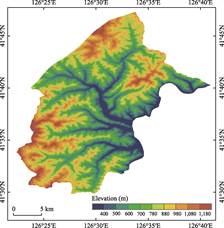
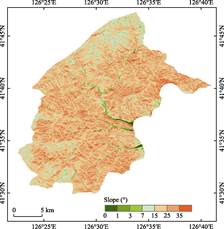
Figure 3 Elevation classification
map of Sandaogou Town Figure 4 Slope classification
map of Sandaogou Town
3.2.2 Climatic Conditions
Sandaogou Town of Hunjiang
District is situated in the mid-temperate zone, and is characterized by a
distinct mid-temperate continental monsoon climate with pronounced seasonal
variation. The four seasons are clearly defined. Summers are mild and rainy,
while springs and winters are cold and dry, and diurnal temperature
fluctuations are significant, with large annual and daily temperature ranges.
Based on long-term monitoring data (1985–2024) from the Baishan Meteorological
Station (No.54371) within Hunjiang District, the case
area recorded a mean annual temperature of 5 ℃, with recorded extremes of
36.5 ℃ and–35.1 ℃. Annual precipitation averages 888.9 mm, with a
highly uneven distribution, exceeding 50% in summer and less than 5% in winter,
demonstrating typical rain-heat synchronization. The region also exhibits a
mean relative humidity of 71%, a frost-free period of 115–140 d, a mean wind
speed of 1.8 m/s, and an annual sunshine duration of 2,181.5 h. The region
receives abundant annual sunshine, distributed relatively uniformly throughout
the year (Figure 5 and 6). This climate, characterized by large diurnal
temperature variations, rain-heat synchronization, and abundant sunlight,
provides an exceptionally suitable habitat for dry matter accumulation and
moisture supply in Schisandra chinensis cultivation in Sandaogou Town.
3.2.3 Schisandra
Chinensis Cultivation Areas and NDVI
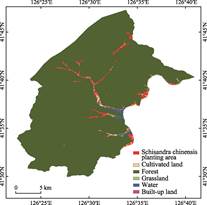
Schisandra chinensis cultivation areas were
identified through visual interpretation of
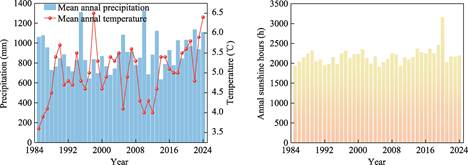
Figure 5 Changes in mean annual
temperature, mean annual precipitation, and mean annual sunshine hours in Hunjiang District (1985–2024)
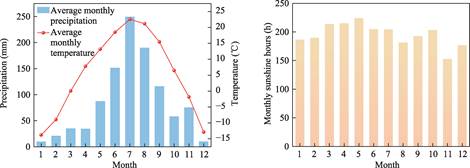
Figure 6 Distribution of
average monthly temperature, average monthly precipitation, and average monthly
sunshine hours in Hunjiang District over the past 5
years
Google Earth remote sensing
imagery (Figure 7). Comparison with a 30 m resolution national land cover
dataset[7] indicated that the distribution of Schisandra
chinensis cultivation areas closely aligns with that of local farmland.
These areas are primarily concentrated in the valleys and river basins of the
central and eastern regions, characterized by lower elevations and gentler
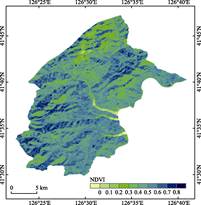
slopes. Furthermore, an analysis of vegetation cover in the study area based on
2024 TM satellite imagery revealed that the region
possesses abundant forest resources. The spatial distribution of the Normalized
Difference Vegetation Index (NDVI) is highly consistent with forest cover,
indicating excellent overall vegetation condition and a stable ecosystem (Figure
8). This provides an optimal ecological environment for the cultivation and
growth of Schisandra chinensis, thereby supporting the potential for its
sustainable development.
|
|
|
|
Figure 7 Map of land use
and Schisandra chinensis planting areas in
Sandaogou Town
|
Figure 8 Distribution map
of NDVI in Sandaogou Town (2024)
|
3.2.4 Soil Conditions
The predominant soil type in the case area is dark brown forest soil, which
typically develops under temperate humid monsoon climates and mixed
coniferous-broadleaf forests and is widely distributed across Northeast
China. This soil is characterized by accumulated organic matter in the topsoil
and a moderately to slightly acidic pH profile, providing favorable conditions
for Schisandra chinensis growth. To evaluate the current soil status in
the case area, 15 soil sampling sites were
established across the primary cultivation areas of 6 villages (Figure 9). Soil
samples were collected at 20 cm intervals, resulting in 57 samples, with
sampling depths ranging from 40 to 100 cm (averaging 80 cm). The 57 soil
samples were analyzed by the Physical and Chemical Analysis Center, Institute
of Geographic Sciences and Natural Resources Research, Chinese Academy of
Sciences (CMA-certified) for soil fertility indicators including pH, organic
matter, total nitrogen, total potassium, available potassium, available phosphorus, as well as soil heavy metal
concentrations, specifically mercury (Hg), arsenic (As), cadmium (Cd), chromium
(Cr), lead (Pb), zinc (Zn), copper (Cu) and nickle
(Ni).
|
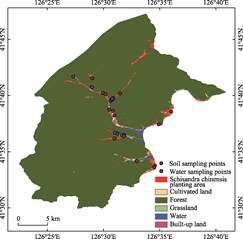
Figure 9 Distribution map of soil and water
sampling sites in Sandaogou Town
|
The soil fertility test results are presented in Figure 10. Soil pH ranged
from 4.02 to 7.95 (averaging 5.88), indicating slightly acidic to neutral
conditions. Although existing literature typically defines the optimal pH for Schisandra
chinensis as 5.5–6.5, over a decade of local cultivation has shown that
growth and fruit phenotypic indicators at sites exceeding the optimal pH range
(e.g., pH > 7) do not differ significantly from those within the optimal
range. This adaptation may be attributed to the region’s high soil organic
matter content and relatively high background fertility, which can buffer
pH-related stress and mitigate its effects on plant growth. Such buffering
capacity may enhance the ecological adaptability of Schisandra chinensis to
variable soil pH conditions. Across the sampling sites, soil organic matter,
total nitrogen, total potassium, available phosphorus, and available potassium
concentrations ranged from 4.36–84.38 g/kg, 0.46–3.88 g/kg, 15.99–30.20 g/kg,
7.9–238.3 mg/kg and 46.83–1,512.3 mg/kg, respectively. Analysis of the 15
sampling sites revealed that, across different soil layers at various
locations, the 0–20 cm layer exhibited higher levels of soil organic matter, total nitrogen, total potassium, available
phosphorus and available potassium, ranging from 22.78–84.38 g/kg, 0.92–3.88
g/kg, 18.02–25.34 g/kg, 11.5–237 mg/kg and 123.33–1512.3 mg/kg, respectively, with mean values of 42.09 g/kg,
1.87 g/kg, 21.36 g/kg,
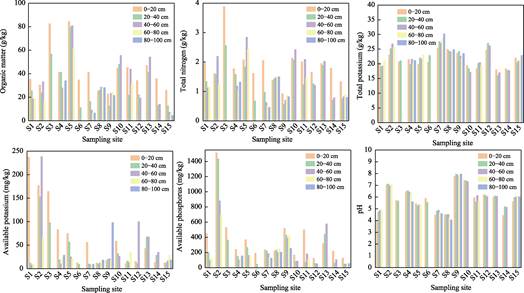
Figure 10 Soil fertility
test results in Sandaogou Town
65.9
mg/kg and 380.79 mg/kg, with standard deviations of 18.37 g/kg, 0.65 g/kg, 2.47
g/kg, 71.46 mg/kg and 343.23 mg/kg, respectively. These levels align with the “Abundant” category (Grade II) of the National second
soil census soil nutrient classification standards[8].
The heavy metal content results
for the case area are shown in Table 2. Across all soil layers, the
concentration ranges for Cr, Zn, Hg, As, Ni, Cu, Cd, and Pb were 34–130 mg/kg, 48.5–152 mg/kg, 0.017–0.52 mg/kg, 4.3–21 mg/kg, 3.88–61.32 mg/kg,
2.09–43.36 mg/kg, 0.0098– 0.294 mg/kg, and 3.47–59.44 mg/kg,
respectively. Comparing the heavy metal indicator test results from the case
area with the soil pollution risk screening values specified in the Soil
environmental quality risk control standard for soil contamination of
agricultural land (Trial) (GB 15618—2018)[9], all measured
concentrations fell well below the designated agricultural land
pollution risk screening values. This indicates that the soil environmental
quality in the case study area is favorable, with no evidence of heavy metal
contamination.
3.2.5 Water Conditions
The case area is situated on the northern
bank of the Yalu River, forming part of the Yalu River basin. The primary
watercourses within its boundaries comprise the Yalu River mainstem and the Hunjiang River. The mainstem section extends 48.5 km with a
catchment area of 420.6 km2, receiving inflows from 6 first-order
tributaries, 5 second-order tributaries, and 3 third-order tributaries. These
tributaries, supplemented by natural precipitation, constitute the primary
irrigation sources for the Schisandra chinensis cultivation zones.
Consequently, 12 surface water samples were collected from rivers adjacent to
these cultivation areas (Figure 9). A total of 48 parameters were analyzed in
accordance with the Environmental quality standards for surface water (GB 3838—2002)[10] and
the Standards for drinking water quality (GB 5749—2022)[11].
These indicators included pH, dissolved oxygen (DO), biochemical oxygen demand
(BOD5), total nitrogen, total phosphorus, Cd, Co, Ni, Cu, and other
conventional water quality parameters, along with heavy metals and mineral
elements. The water quality results are presented in Table 3. Surface water in
the case study area exhibited a slightly alkaline pH ranging from 7.86–8.20 and
DO levels between 11.13 and 11.35 mg/L, with all parameters falling within
permissible limits. Notably, heavy metals such as As,
Cd, and Co were not detected. According to the Surface water environmental quality
evaluation measures (Trial), all test results met the standards for Class I
water specified in the Environmental quality standards for surface water (GB 3838—2002) and complied with
the limit requirements for tested indicators specified in the Standards for drinking water quality (GB 5749—2022). This indicates
that the irrigation water quality for Schisandra chinensis in the case
area is excellent, providing an optimal hydrological environment for its
cultivation.
Table 2 Statistical testing result of
soil heavy metal content in Sandaogou Town Unit: mg/kg
|
|
Cr
|
Zn
|
Hg
|
As
|
Ni
|
Cu
|
Cd
|
Pb
|
|
Maximum detectable value
|
130
|
152
|
0.52
|
21
|
61.32
|
43.36
|
0.294
|
59.44
|
|
Corresponding pH
|
5.96
|
7.41
|
7.39
|
6.20
|
6.01
|
7.05
|
7.05
|
4.48
|
|
Limits[9]
|
150
|
250
|
2.4
|
40
|
70
|
100
|
0.3
|
70
|
3.3 Product Characteristics
Data
3.3.1 Product Characteristics
Schisandra chinensis is a perennial deciduous woody vine with stems reaching up to 8 m in
length. The undersides of young leaves are typically pubescent, with membranous
blades that vary in shape from broadly elliptic and ovate to obovate or nearly
circular. The flowers are pale pink or pink and oblong to elliptic-oblong. The
flowering period occurs from May to July, followed by fruiting from July to
October. The berries are small, red, and spherical or obovoid, with
inconspicuous glandular dots on the pericarp; they turn deep red when ripe
Table 3 Statistical testing result of river water quality in Sandaogou Town
|
Test item
|
Water sample test results
|
Limits[10]
|
Limits[11]
|
|
pH
|
8.03
|
6–9
|
6.5–8.5
|
|
DO
|
11.24
|
≥7.5
|
/
|
|
CODMn (mg/L)
|
1.79
|
≤2
|
3
|
|
COD (mg/L)
|
13
|
≤15
|
/
|
|
BOD5 (mg/L)
|
2.49
|
≤3
|
/
|
|
Ammonia nitrogen (mg/L)
|
0.1
|
≤0.15
|
0.5
|
|
P (mg/L)
|
0
|
≤0.02
|
/
|
|
Cu (mg/L)
|
0
|
≤0.01
|
1.0
|
|
Zn (mg/L)
|
0
|
≤0.05
|
1.0
|
|
F- (mg/L)
|
0.2445
|
≤1
|
1
|
|
Se (mg/L)
|
0.0004
|
≤0.01
|
/
|
|
As (mg/L)
|
0
|
≤0.05
|
0.01
|
|
Hg (mg/L)
|
0.00004
|
≤0.00005
|
0.001
|
|
Cd (mg/L)
|
0
|
≤0.001
|
0.005
|
|
Cr (mg/L)
|
0.00065
|
≤0.01
|
0.05
|
|
Pb (mg/L)
|
0.00335
|
≤0.01
|
0.01
|
|
Cyanide (mg/L)
|
< 0.002
|
≤0.005
|
0.05
|
|
Volatile phenol (mg/L)
|
0.0003
|
≤0.0002
|
/
|
|
Sulfide (mg/L)
|
0.01
|
≤0.05
|
/
|
|
Total coliforms
(MPN/100mL)
|
ND
|
≤200
|
Not detectable
|
|
Al (mg/L)
|
0.0051
|
/
|
0.2
|
|
Fe (mg/L)
|
0.00005
|
/
|
0.3
|
|
Mn (mg/L)
|
0
|
/
|
0.1
|
|
SO42–
(mg/L)
|
6.069
|
/
|
250
|
|
NO3-N (mg/L)
|
1.786
|
/
|
10
|
|
Escherichia coli (MPN/100mL)
|
ND
|
/
|
Not detectable
|
|
Total colony count
(CFU/mL)
|
60
|
/
|
< 100
|
|
Color
|
< 5
|
/
|
15
|
|
Turbidity (NTU)
|
< 0.5
|
/
|
1
|
|
Taste and Odor
|
Without
|
/
|
Free from any foreign or abnormal odors
|
|
Visible matter
|
Without
|
/
|
Without
|
|
Chloride (mg/L)
|
1.62
|
/
|
250
|
|
TDS (mg/L)
|
52
|
/
|
1,000
|
|
Total hardness of water
(mg/L)
|
28
|
/
|
450
|
Note: ND indicates not
detected; / indicates no corresponding standard limit.
and become wrinkled upon drying. Schisandra
chinensis prefers cool, moist climates and is cold-tolerant but sensitive
to waterlogging. It requires moderate shade, particularly during the seedling
stage, to prevent damage from intense sunlight. It thrives in loose, fertile,
humus-rich soil and is propagated by row sowing or broadcast sowing. While wild
Schisandra chinensis is typically found in ravines, streamside areas,
and on hillsides, its natural resources have severely diminished. Consequently,
it is classified as a Grade III Key Protected Medicinal Plant Species in the
National List of Rare and Endangered Medicinal Animal and Plant Species. Since
the 1970s, researchers have conducted domestication studies on wild Schisandra
cultivars. Systematic mastery of domestication and cultivation techniques has
been achieved, enabling large-scale artificial cultivation. The species
cultivated in the case area is Schisandra chinensis, a nationally
recognized geographical indication product, entitled to bear the “Geographical
Indication of China”. Although wild Schisandra chinensis still occurs in
the surrounding mountains in limited quantities, local cultivation has reached
a significant scale, supported by in-house seedling propagation for both
replanting and expansion.
3.3.2 Product Composition Characteristics and Medicinal Value
The chemical constituents of Schisandra
chinensis primarily include lignans, volatile oils, organic acids,
terpenoids, flavonoids, polysaccharides, and inorganic elements (Table 4). Lignans are the primary active component and are
largely responsible for the pharmacological properties of Schisandra
chinensis[12]. They constitute 2%–8% of the fruit and
effectively reduce serum alanine aminotransferase (ALT) levels in patients with
hepatitis. Schisandrin exhibits significant
hepatoprotective, anti-HIV, antioxidant, and central nervous system protective
functions[13,14]. Polysaccharides constitute another vital active
component, comprising approximately 7% to 11% of the fruit. Primarily composed
of galactose and glucose monosaccharides, they exhibit hepatoprotective,
sedative-hypnotic, and immunemodulating effects[15].
Volatile oils constitute 5% to 6% of the fruit and are predominantly composed
of terpenoid compounds. These volatile oils exert effects on the central
nervous system, enhancing the body’s defense against non-specific stimuli[16].
However, toxicological studies indicate that these volatile oils possess
certain toxic potential, warranting careful pharmacological consideration[17].
Additionally, Schisandra chinensis contains organic acids (including
unsaturated fatty acids), essential amino acids, flavonoids, and trace
elements, all of which contribute to its significant medicinal value.
Table 4 Statistical summary of Schisandra
components and their content
|
Ingredients
|
Content range
|
Discription
|
|
Lignans
|
2%–8%
|
Schisandrin is the primary active ingredient in Schisandra
chinensis
|
|
Volatile oil
|
5%–6%
|
The main components include citral, ylangene, and others
|
|
Polysaccharides
|
7%–11%
|
Primarily found in the pulp of Schisandra berries,
including rhamnose, glucose, arabinose, and galactose, among others
|
|
Organic acids
|
The specific acid content varies
|
Mainly includes citric acid (3.2%–3.32%), malic acid
(1.09%–1.17%), and shikimic acid (0.52%–0.54%)
|
|
Flavonoids
|
The content
varies depending on the variety and fruit parts
|
Including quercetin, apigenin, myricetin, kaempferol,
and luteolin
|
|
Amino acids
|
The content varies depending on the variety and fruit
parts
|
There are approximately 16 amino acids, including 6
essential amino acids for the human body
|
|
Trace elements
|
Low content
|
Mainly including iron, manganese, silicon,
and phosphorus
|
3.3.3 Product Quality
As a traditional Chinese medicinal herb, the
quality of Schisandra chinensis is closely linked to its pharmacological
efficacy; therefore, analyzing its product quality is of great significance.
This study evaluated the quality of Schisandra chinensis fruits
collected from Dalu Village within the case area. It determined the sensory
characteristics, moisture content, total ash, schisandrin
content and impurity levels of the air-dried fruits (collected in 2024, based
on dry weight). Additionally, the moisture content, total ash, schisandrin, flavonoids, organic acids, and amino acids
were measured in fresh fruits (collected in 2025, based on fresh weight), along
with heavy metals (Cu, Zn, Pb, Cr, Cd, Hg, and As) and pesticide residues (carbofuran
and omethoate). The results of the Schisandra chinensis fruit quality
analysis are presented in Tables 5 and 6. The Sandaogou
Schisandra chinensis fruits appear as shrivelled
spherical granules with a dark red surface; the pulp is plump, oily, and
glossy, featuring a reticulated shrivelled texture
and a white bloom. The flavor is sour and sweet, and its sensory
characteristics comply with the standard requirements defined in the Product of
geographical indication—Changbaishan Wuweizi (DB22/T 2168—2020)[18]. Regarding physicochemical indicators, the moisture
content, total ash, schisandrin, and impurities in
the dried state all met the criteria specified in the aforementioned standard.
Notably, the schisandrin content significantly
exceeded the 0.4% threshold established by the Pharmacopoeia of China[19].
In the fresh fruit, the water content, total ash content and flavonoid content
reached 83.9%, 5.6%, and 41.1 mg/kg, respectively. As shown in Table 7, heavy
metals were all below the limit of detection (LOD). No pesticide residues of carbofuran and omethoate were detected. All parameters met the requirements
for heavy metals and pesticide residues in Schisandra chinensis as
stipulated in the Pharmacopoeia of China, remaining well below the relevant
standard limits. These results demonstrate that Sandaogou
Schisandra chinensis possesses high medicinal value and product quality.
Table 5 Morphological characteristics and quality
testing results of dried Schisandra fruit
|
Test item
|
Unit
|
Testing result
|
Limits[18]
|
|
Shape
|
–
|
Shrunken spherical granules
|
Shrunken
spherical granules
|
|
Color
|
–
|
Dull red
|
Purple-red
or dull red
|
|
Appearance
|
–
|
The flesh is thick, oily and lustrous, with a network
of wrinkles and a white bloom
|
The
flesh is thick, oily and lustrous,with a network of
wrinkles and a hoar-frost
|
|
Flesh odor
|
–
|
Sour in taste
|
Sour
in taste
|
|
Moisture content
|
%
|
14.5
|
≤16.0
|
|
Total ash
|
%
|
5.3
|
≤7.0
|
|
Schisandrin
|
%
|
0.534
|
≥0.45
|
|
Impurity
|
%
|
0.4
|
≤1
|
Note: – indicates
no corresponding data.
Table 6 Statistical testing result of fresh
weight Schisandra fruit quality
|
Test item
|
Unit
|
Sample test results
|
Note
|
|
Water content
|
%
|
83.9
|
Fresh
weight
|
|
Total ash
|
%
|
5.6
|
Fresh
weight
|
|
Schisandrin
|
%
|
0.52
|
Dried
weight (“Pharmacopoeia of China: 2025
Edition” standard limits≥0.4)
|
|
Flavonoids
|
mg/kg
|
41.1
|
Fresh
weight
|
|
Tartaric
acid
|
g/kg
|
0.97
|
Fresh
weight
|
|
Malic acid
|
g/kg
|
25
|
Fresh
weight
|
|
Citric acid
|
g/kg
|
45
|
Fresh
weight
|
|
Tryptophan
|
mg/kg
|
3.7
|
Fresh
weight
|
|
Phenylalanine
|
mg/kg
|
1.2
|
Fresh
weight
|
|
Methionine
|
mg/kg
|
0.35
|
Fresh
weight
|
|
Lysine
|
mg/kg
|
0.68
|
Fresh
weight
|
|
Isoleucine
|
mg/kg
|
3.0
|
Fresh
weight
|
|
Leucine
|
mg/kg
|
3.3
|
Fresh
weight
|
|
Threonine
|
mg/kg
|
0.48
|
Fresh
weight
|
|
Valine
|
mg/kg
|
1.2
|
Fresh
weight
|
4 Management
of the Schisandra chinensis Industry
4.1 Socioeconomic
Development of Sandaogou Town
Demographic data for the permanent resident population of Sandaogou Town indicates that between
2021 and 2025, the total population initially increased before declining, while
the total number of households exhibited a continuous declining trend (Figure 11).
Based on the age structure in 2025, among the total population of 2,812, the
population aged 60 and over accounted for 30.16%, with those aged 50 and over
cumulatively exceeding 56%. In contrast, the core working-age population (30–50
years) represented only 26.49%, suggesting
Table 7 Statistical testing result of heavy metals
and pesticide residues in Schisandra fruit
|
Test item
|
Unit
|
Sample test results
|
Note
|
Limits[19]
|
|
Carbofuran
|
mg/kg
|
ND
|
The
limit of quantification is 0.01 mg/kg
|
0.02
|
|
Omethoate
|
mg/kg
|
ND
|
The
limit of quantification is 0.01 mg/kg
|
0.05
|
|
Cu
|
mg/kg
|
0.35
|
The
limit of detection is 0.05 mg/kg, and the limit of quantification is 0.2
mg/kg
|
20
|
|
Zn
|
mg/kg
|
Below the limit of quantification
|
The
limit of detection is 0.5 mg/kg, and the limit of quantification is 2 mg/kg
|
/
|
|
Pb
|
mg/kg
|
Below the limit of
detection
|
The
limit of detection is 0.02 mg/kg, and the limit of quantification is 0.05
mg/kg
|
5
|
|
Cd
|
mg/kg
|
Below the limit of
detection
|
The
limit of detection is 0.002 mg/kg, and the limit of quantification is 0.005
mg/kg
|
1
|
|
Cr
|
mg/kg
|
Below the limit of
detection
|
The
limit of detection is 0.05 mg/kg, and the limit of quantification is 0.2
mg/kg
|
/
|
|
Hg
|
mg/kg
|
Below the limit of
detection
|
The
limit of detection is 0.001 mg/kg, and the limit of quantification is 0.003
mg/kg
|
0.2
|
|
As
|
mg/kg
|
Below the limit of
detection
|
The
limit of detection is 0.01 mg/kg, and the limit of quantification is 0.03
mg/kg
|
2
|
Note: ND indicates not
detected; / indicates no corresponding standard limit.
increasing demographic pressure on the local labor force (Figure 12).
An analysis of the ethnic composition in 2025 indicates that the local
population is predominantly Han (97.69%). The ethnic minorities include Manchu,
Korean, Hui, and Mongolian ethnic groups. Despite these demographic challenges,
the case area has demonstrated robust socio-economic development. In recent
years, Schisandra chinensis cultivation has been significantly scaled
up, establishing a pillar industry based on a comprehensive industrial chain. From
2021 to 2025, the total output value reached 864 million CNY, serving as a
primary driver for increasing local farmers’ incomes and advancing rural
revitalization.
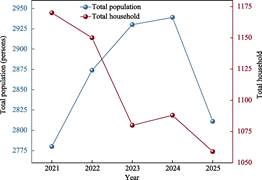
Figure 11 Population change
chart of Sandaogou Town (2021–2025)
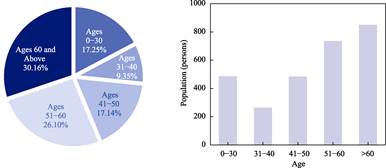
Figure 12 Population age structure
of Sandaogou Town (2025)
4.2 Cultivation Management
The Schisandra chinensis cultivated in Sandaogou
has developed a distinctive management system integrating specialized
irrigation, fertilization, and plant protection protocols. In terms of
irrigation, natural rainfall serves as the primary water source, supplemented
by tributaries of the Yalu River, with an annual water consumption of
approximately 180,000 m3. This has led to the establishment
of a water resource management system characterized by “centralized allocation
and time-segmented irrigation”, which supplements irrigation based on
precipitation levels. By scientifically planning irrigation schedules and water
allocation, seasonal water supply issues have been effectively resolved,
significantly improving water resource utilization efficiency and ensuring
rational distribution. Fertilization management adopts a synergistic blending
model of organic and inorganic fertilizers, with precision fertilization
carried out across five distinct periods throughout the year. These periods
serve the following purposes: flower promotion in late May, fruit retention in
early June, vine strengthening in late June, fruit enlargement in early July,
and nutrient accumulation in mid-August. An average of 30,000 kg of decomposed
farmyard manure is applied per ha, supplemented by 750 kg of NPK compound
fertilizer to meet the nutritional requirements of Schisandra chinensis
during its various growth stages. Concurrently, the case area has evolved a
three-tiered plant protection framework consisting of “biological, physical,
and chemical” controls. Specifically, biological control involves soil
disinfection using Bacillus subtilis in late April to disrupt pathogen
transmission. Physical control is implemented by deploying 150 pheromone traps
per ha to interrupt pest reproductive cycles. From May onwards, control is
achieved by spraying biological pesticides such as matrine,
while strictly adhering to a 14-d pre-harvest interval to ensure pesticide
residues comply with standards.
4.3 Production Management
In order to enhance the
quality, profitability and market competitiveness of Schisandra chinensis products
from Sandaogou, a “Three Unifications” standardized
management model has been implemented across the industrial chain, enabling
improved control from cultivation to harvest. First, seedling standardization
was implemented prior to production. Initially, professionals established
strict seedling selection criteria, and high-quality northern Schisandra
chinensis seedlings were procured from the Ji’an Schisandra
chinensis Seedling Cultivation Base for large-scale planting, ensuring the
consistency of the plants seed source in the early stages. Through years of
localized cultivation and acclimatization, a comprehensive set of independent
seedling propagation standards has been gradually established, enabling the
selection and breeding of superior one-year-old seedlings. The area has now
achieved self-sufficiency in seedling propagation, capable of meeting local
needs for replanting and new plantings. This has resolved, at source, the
issues of variety contamination and inconsistent quality previously caused by
small-scale, household-based cultivation, thereby ensuring the quality of Schisandra
chinensis varieties within the project area and effectively preventing the
risks of low yields and pest and disease outbreaks caused by inferior
seedlings. Second, agricultural inputs have been standardized. The town
government centrally procures bio-organic fertilizers and highly effective,
low-toxicity pesticides that are certified by authoritative bodies and comply
with green standards. Strict regulations governing the distribution of
agricultural inputs and the supervision of pesticide use have been established to
ensure that Schisandra chinensis growers apply bio-organic fertilizers
and pesticides scientifically in accordance with uniform protocols. This has
significantly reduced the risk of pesticide residues in Schisandra chinensis
products and effectively safeguarded the overall quality of the fruit. In
addition, benefiting from local micro-environmental conditions influenced byof the Yunfeng Reservoir, the case area enjoys a longer
frost-free period, which effectively extends the fruit harvest period and
creates favorable conditions for the accumulation of schisandrin.
This has gradually led to the establishment of a standardized harvesting model.
The harvest period is strictly fixed between 15 August and 10 October each
year, and a “two-stage” harvesting method is adopted. This effectively avoids
the loss of unripe Schisandra chinensis berries and the waste of
overripe ones caused by traditional harvesting methods, significantly
increasing the proportion of high-quality berries and overall harvesting
efficiency, thereby achieving the synergistic optimization of Schisandra
chinensis quality and total yield.
Through implementing the “Three
Unifications” standardized management model, the case area successfully
transitioned Schisandra chinensis cultivation from initial small-scale,
unplanned household-based farming to large-scale, standardized collective-led
production. This approach has not only elevated the product quality of Sandaogou Schisandra chinensis but also reduced
cultivation costs and increased planting returns. Moreover, the superior Schisandra
chinensis products have significantly enhanced market competitiveness, supporting
the sustained and healthy development of the Sandaogou
Schisandra chinensis industry.
4.4 Operational Management and
Industrialization Development
The cultivation of Schisandra chinensis
in Sandaogou commenced in 2010. Initially, local
farmers transplanted wild plants from shrub forests into courtyards for
small-scale cultivation. During this early phase, management practices were
rudimentary, planting areas were limited, yields were low, and economic returns
were modest. In addition, cultivation lacked unified organization and planning.
Cultivation remained predominantly a household-based activity, with growers
relying on market traders to purchase fresh berries door-to-door. Prices
fluctuated significantly, sales channels were relatively limited, and market
risks remained high. In 2017, Baishan Debaicai
Ecological Technology Co., Ltd was established. The company focuses on the
research and development of cutting-edge products such as plant extract deep
processing, nutritional supplements, Chinese herbal enzymes, and health
beverages. The company developed Schisandra-based products including Schisandra
herbal pillows, Schisandra calming incense, and Schisandra wellness hammers.
This initiative has established a comprehensive industrial chain encompassing
cultivation, research, processing, and sales, significantly advancing the
industrialization of Schisandra chinensis production in Sandaogou region. In 2023, a Schisandra chinensis
drying plant was established in Xianrendong Village
within the case area. This effectively addressed challenges in storing and
transporting fresh fruit, extending the industrial chain from cultivation to
processing and enhancing product value. In 2024, the village collective
established an economic cooperative, local Schisandra chinensis
cultivation expanding to 4.51 km2, with an annual fresh fruit
production of 6,956 t.
Currently, the Schisandra chinensis
industry in Sandaogou has formed a relatively
complete industrial chain encompassing cultivation, processing, and sales. The
establishment of Schisandra chinensis drying facilities and a
“micro-industrial park” has effectively driven industrial upgrading.
Technological support primarily relies on the “Science and Technology
Courtyard” jointly established with Jilin Agricultural Science and Technology
College to research methods for increasing Schisandra chinensis yield.
Regarding industrial integration, tourist experience programs such as Schisandra
chinensis picking and processing plant tours have been introduced, actively
exploring the “Schisandra chinensis + cultural tourism” integration
model to promote the construction of an integrated
industry-academia-research-tourism collaborative system.
4.5 Ecological
Environment Traceability for Schisandra
The sustainable development of the Schisandra
chinensis industry in Sandaogou Town relies
heavily on robust support from modern technology. To this end, a GIES ground station
(Figure 13) has been established in Xianrendong
Village within the case area. This station conducts real-time, round-the-clock
monitoring of the ecological environment in the Schisandra chinensis
cultivation zone, tracking key indicators including: air negative oxygen ion
concentration, phenology, wind speed, wind direction, precipitation, air
quality, temperature, relative humidity, soil temperature and moisture,
atmospheric pressure, and soil electrical conductivity. These real-time
monitoring data reflect the optimal growth environment for Schisandra
chinensis and provide scientific, precise data support for cultivation
management. This further drives the transformation of the Sandaogou
Schisandra chinensis industry toward smarter, more scientific, and
sustainable cultivation practices.
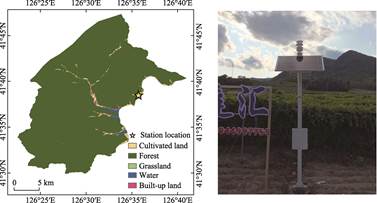
Figure 13 Location map and facility of the GIES
ground station
5 Discussion and Conclusion
The case area is situated in
the moderately undulating mountains region at the foot of the Changbai Mt., occupying the northern bank of the Yalu
River, within the Yalu River watershed. The combination of weakly acidic to
neutral soil conditions, significant diurnal temperature variation, rain-heat
synchronization, abundant sunlight, and unique small watershed geography
collectively nurtures the regionally distinctive Sandaogou
Schisandra chinensis products. Schisandra chinensis possesses
exceptional medicinal value, and its derivative products, such as Schisandra
herbal pillows, Schisandra calming incense, and Schisandra wellness hammers,
and show tremendous development potential with broad prospects. Nevertheless,
the Sandaogou Schisandra chinensis industry
confronts a series of challenges that require urgent research and resolution.
5.1 Population Decline and Ageing Challenges
In recent years, population
ageing in the case area has intensified annually, posing a formidable challenge
to labor force sustainability. Effectively addressing the issues of rural
depopulation and accelerating ageing is a core challenge in achieving rural
revitalization and ensuring that farmers can live and work in peace and
contentment. At present, the Schisandra chinensis industry in Sandaogou Town remains focused on the upstream cultivation
stage, while the downstream deep-processing sector has developed relatively
late and at a slower pace. To address the ongoing challenges of an ageing
population, future efforts should focus on exploring cultivation models
suitable for mechanized production, such as wide-row, high-density planting.
The town should actively introduce mechanized and intelligent technologies to
continuously reduce reliance on labor in the cultivation process and
consistently improve planting efficiency. At the same time, efforts should be
made to gradually strengthen the branding and market promotion of Sandaogou Schisandra chinensis and its derivative
products, continuously enhancing the market influence and visibility of these
products, and gradually expanding sales channels. Through the comprehensive
development of the Schisandra chinensis industry chain in the case area,
an industrial framework comprising smart cultivation, automated production,
intelligent processing, efficient transport and digital management will
gradually take shape. This will generate more jobs and employment opportunities
across multiple stages of the industry chain, injecting new vitality into local
residents’ incomes, providing more options for migrant workers to return home
to work or start businesses, and offering a novel solution to alleviate
population outflow and ageing in the case area.
5.2 Weak Brand and Intellectual Property
Awareness
Currently, Schisandra chinensis
produced in the Sandaogou Town has yet to establish a
proprietary brand endowed with regional distinctiveness or substantial market
influence. Schisandra chinensis products from this region exhibit limited market
recognition and diminished competitiveness. Additionally, owing to historically
weak awareness of intellectual property rights among certain producers, premium
Schisandra chinensis products from the case area failed to achieve their
inherent market value, resulting in limited benefits for farmers. In the
future, the region should leverage its core advantage of superior Schisandra
chinensis quality by actively registering a distinctive brand exclusive to
the case area. Concurrently, multi-channel and multi-format brand promotion
campaigns should be implemented to continuously enhance brand recognition. By
elevating brand value, product value will be consistently improved, enabling
participating farmers to secure more substantial benefits.
5.3 The potential of Science and Technology
Courtyards Remains to be Tapped
Although the demonstration area has
established a joint “Science and Technology Courtyard” with Jilin Agricultural
Science and Technology College to provide technical support for Schisandra
chinensis research, the courtyard remains in an incipient phase overall.
Its capacity to drive industrial upgrading has yet to be fully realized. In the
future, the platform of the “Science and Technology Courtyard” should be fully
leveraged to further harness its collaborative strengths in industry-academia-research
partnerships. Efforts should concentrate on facilitating the dissemination of
research and the implementation of outcomes, with a particular emphasis on
technology-driven empowerment. This will involve continuously optimizing the Schisandra
chinensis cultivation management system to progressively enhance both the
intrinsic and visual qualities of the fruit. Ultimately, this strategy will
facilitate the selection of superior produce, thereby providing sustained
scientific support to fortify the core competitiveness of the Schisandra
chinensis industry within the case area.
5.4 Cultural Tourism Brands Require Further
Developed
Although the case area has initiated
exploration of an integrated “Schisandra chinensis + cultural tourism”
model, gradually building a Schisandra chinensis cultural tourism brand
and launching initiatives such as Schisandra chinensis picking and the
display and sale of Schisandra herbal pillows, a systematic cultural
tourism brand has yet to be established. In the future, full advantage should
be taken of the G331 border tourism corridor and the region’s border tourism
assets to embed the Schisandra chinensis industry firmly within the
border tourism circuit. By integrating regional landscape resources and the
advantages of the border location, we can promote the transformation of Schisandra
chinensis from a traditional agricultural industry into one that is
integrated with cultural tourism. Building upon the sales of Schisandra
chinensis berries and their derivatives, the Schisandra chinensis
industry chain should be extended to encompass sightseeing and picking during
the cultivation phase, factory tours and hands-on experiences in the processing
phase, as well as the promotion of Schisandra’s medicinal history and wellness
culture. This will create a Schisandra chinensis cultural tourism brand
that integrates ecological sightseeing, picking experiences, handicrafts, and
health and wellness. Ultimately, through the profound integration of “Schisandra
chinensis + cultural tourism”, the dual imperatives of promoting
agriculture through tourism and strengthening agriculture via tourism can be
realized, thereby providing sustained momentum for rural revitalization in the
case area.
Author
Contributions
Lu, H. W. oversaw the
overall design of this case study; Lu, H. W., Xue, Y. X., Xu, D., Yang, S., Zhang,
M. Y., Feng, H., Cui, Y. W., Wang, L., Zhang, F. S., and Peng, L. D.
participated in field investigations and the construction of the GIES ground
station; Xue, Y. X., Yang, Y. F., and Lei, H. completed soil and water sample
collection and testing; Zhang, H. Z., Gu, P. C., Wang, X., Lu, G. Y., Pan, H.
G., and Wang, S. J. provided industrial development and enterprise management
data; Xue, Y. X. and Yang, Y. F. completed the drafting and revision of the
manuscript.
Acknowledgements
We would like to
express our gratitude to the leaders at all levels in Hunjiang
District for their strong support and cooperation with this case study. We
would also like to thank Professors Liu, C., Song, X. F. and Wang, Z. B. of the
Institute of Geographic Sciences and Natural Resources Research, Chinese
Academy of Sciences, as well as the staff of the Geographical Indication
Research Center, for their assistance and guidance in the development of the
dataset and the drafting of this paper.
Conflicts
of Interest
The authors
declare no conflicts of interest.
References
[1]
Wang, Y. H. Systematics of Schisandraceae and medicinal resources of Schisandra [D].
Shanghai: Fudan University, 2003.
[2]
Zhang, X., Liu, X. Y., Han, X. K. Research
on development suggestions of Wuweizi (Schisandra
Chinensis) based on present situation of
industrial value chain [J]. Chinese Archives of Traditional Chinese
Medicine, 2025, 43(8): 56–60+268–269. DOI:
10.13193/j.issn.1673-7717.2025.08.013.
[3]
Li, X. G. Analysis and prospect of
development prospect of Schisandra Chinensis [J]. Heilongjiang
Science, 2018, 9(10): 28–29.
[4]
Li, H. J. Study of the phylogenetic relationship among the source plant of
Schisandra Sphenanthera Fructus and its related
species [D]. Beijing:
Peking Union Medical College, 2019.
DOI: 10.27648/d.cnki.gzxhu. 2019.000657.
[5]
Lu, H. W., Xu, D., Yang, S., et al. GIES case dataset on Hunjiang District Schisandra
chinensis mountain valleys in Sandaogou Town
[J/DB/OL]. Digital Journal of Global Change Data Repository, 2026.
https://doi.org/10.3974/geodb.2026.02.05.V1.
[6]
GCdataPR Editorial Office. GCdataPR
data sharing policy [OL]. https://doi.org/10.3974/dp.policy.2014.05 (Updated
2017).
[7]
Huang, X, Yang, J. The 30 m annual land cover datasets and
its dynamics in China from 1985 to 2022 [J]. Earth System Science Data,
2023, 13: 3907–3925.
[8]
Zhang,
Z. Q., Jiao, J. Y., Chen, T. D., et al. Soil nutrient evaluation of
alluvial fan in the middle and lower reaches of Lhasa River Basin [J]. Journal
of Plant Nutrition and Fertilizers, 2022, 28(11): 2082–2096.
[9]
Ministry of Ecology and Environment
of P. R. China, State Administration for Market Regulation. Soil environmental
quality risk control standard for soil contamination of agricultural land
(Trial) (GB 15618—2018) [S]. Beijing: China Environment Publishing Group, 2018.
[10] State
Environmental Protection Administration, General Administration of Quality
Supervision, Inspection and Quarantine of P. R. China. Environmental quality
standards for surface water (GB 3838—2002) [S]. Beijing: China Environmental
Science Press, 2002.
[11] State
Administration for Market Regulation, National Standardization Administration.
Standards for drinking water quality (GB 5749—2022)
[S]. Beijing: Standards Press of China, 2022.
[12] Xing, N.
N., Qu, H. D., Ren, W. C., et al. Main chemical constituents and modern
pharmacological action of Schisandra
Chinensis Fructus: a review [J]. Chinese Journal of
Experimental Traditional Medical Formulae, 2021, 27(15): 210–218. DOI:
10.13422/j.cnki.syfjx.20211407.
[13] Liu, Y.
Y., Huang, S. Q., Li, Y. Z., et al. Research progress on lignans and
pharmacological activities in plants of Schisandra [J]. Chinese
Traditional and Herbal Drugs, 2022, 53(6): 1903–1918.
[14] Chen, J.
Y. Chemical constituents analysis of lignans in Wuweizi
(Schisandra chinensis)
from different producing areas based on HPLC technology [J]. Liaoning
Journal of Traditional Chinese Medicine, 2025, 52(6): 125–129. DOI:
10.13192/j.issn.1000-1719.2025.06.033.
[15] Liu, Y.
L., Fu, S., Fan, L. J., et al. Review on differences in pharmacological,
constituents and other aspects between Schisandra Chinensis Fructus and Schisandrae Sphenantherae Fructus [J].
Chinese Journal of Experimental Traditional Medical Formulae, 2017,
23(12): 228–234. DOI: 10.13422/j.cnki. syfjx.2017120228.
[16] Zhang,
S. N., Wu, S. X., Research progress on chemical constituents and
pharmacological effects of volatile oils from northern and southern Schisandra
chinensis [J]. Journal of Chinese Medicinal Materials, 2007(1):
118–120. DOI: 10.13863/j.issn1001-4454.2007.01.044.
[17] Song, H.
Q. Allergic reaction caused by Schisandra chinensis syrup [J]. China
Journal of Chinese Materia Medica, 1990, 15(4): 51.
[18] Jilin
Provincial Administration for Market Regulation. Product
of geographical indication-Changbaishan Wuweizi (DB22/T 2168—2020)
[S]. 2020.
[19] National
Pharmacopeia Commission. Pharmacopoeia of China: 2025 Edition [S]. Beijing:
China Medical Science Press, 2025.