GIES Case Study on
Wangqing Black Fungus Facility Agriculture Mountain Valleys in Jiguan Township
YE Yinghui1* ZHAO Yong2 LI Enhua2 GAO Mingxu2 WANG Jisheng3 SONG Yubin5 GAO Bin4 WANG Yichun3 XIA Wenqiang6 WEI Yuncheng7 HAN Yan8 YAO Fangjie9 WANG Bin10 LIN Yan11 LENG Liang1 LU Peng1 CHEN Shengbo1 WU Di12
1. College of
Geo-Exploration Science and Technology, Jilin University, Changchun 130062,
China; 2. People’s Government of Wangqing County, Wangqing 133200, China; 3. Wangqing
County Market Supervision and Administration Bureau, Wangqing 133200, China; 4.
Wangqing County Bureau of Agriculture and Rural Affairs, Wangqing 133200,
China; 5. People’s Government of Jiguan Township, Wangqing County, Wangqing
133200, China; 6. Yanxing Edible Fungi Professional Cooperative of Wangqing
County, Wangqing 133200, China; 7. Jixing Edible Fungi Planting Professional
Cooperative of Wangqing County, Wangqing 133200, China; 8. Institute of
Geographic Sciences and Natural Resources Research, Chinese Academy of
Sciences, Beijing 100101, China; 9. Jilin Agricultural University, Changchun
130021, China; 10. Wangqing Bei’er Technology Co., Ltd., Wangqing 133200,
China; 11. Jilin Jiguan Edible Fungi Technology Development Co., Ltd., Wangqing
133200, China; 12. Jilin Institute of GF Remote Sensing Application Co., Ltd.,
Changchun 130118, China
Abstract:
Black fungus is a well-known edible and medicinal fungus in
China and ranks among the world’s four major edible fungi. The GIES case area
on Wangqing black fungus is located in the mountain valleys of Jiguan Township,
central Wangqing County, Yanbian Korean Autonomous Prefecture, Jilin Province,
within the main mountainous area of the Changbai Mt. It is situated 35 km from
the county seat, with a total area
of 818.24 km2, a total population of 7,865. The terrain of the case
area slopes from northeast to southwest, featuring rugged mountainous land in
the northeast and staggered hills and valleys in the southwest. The average elevation
ranges from 600 to 800 m. With a large diurnal temperature variation and
abundant negative oxygen ions, the regional environment is highly conducive to
the growth of black fungus. The case area boasts a superior ecological
environment with no severe pollution, a favorable climate, and sound soil
conditions. Its unique physical and geographical characteristics foster the
cultivation of high-quality black fungus in Jiguan Township. The supporting
dataset for this study includes ecological environment data (geographical
location, altitude, meteorology, hydrology, soil, etc.), black fungus product
characteristic data, socioeconomic and management data, as well as historical,
cultural, and developmental data of the case area. The data formats include
.shp, .tif, .xlsx, .docx, and .jpg, with a total volume of 80.2 MB. This
dataset provides essential data support for research on low-mountain forest
ecological protection and the sustainable development of characteristic
agricultural products.
Keywords: Changbai
Mountain; Wangqing County; Jiguan Township; black fungus; facility agriculture;
GIES; Case 32
DOI: https://doi.org/10.3974/geodp.2026.03.05
Dataset Availability Statement:
The dataset supporting this paper
was published and is accessible through the Digital Journal of Global Change Data Repository
at: https://doi.org/10.3974/geodb.2026.02.07.V1.
1 Introduction
1.1 Research Background
|
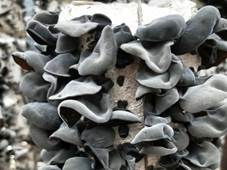
Figure 1 Black fungus in Jiguan Township,
Wangqing County
|
As a traditionally valued edible and medicinal
fungus in China, black fungus plays a crucial role in ensuring food security,
enhancing agricultural efficiency, and increasing farmers’ incomes[1–4].
Benefiting from its unique mountainous forest ecological environment, Jiguan
Township in Wangqing County has developed the black fungus industry for more
than 40 years, gradually establishing an industrial model characterized by
large-scale cultivation and standardized management. This industry has become a
pillar supporting regional rural revitalization (Figure 1)[5,6].
This study
systematically collects ecological environment data, product quality data, and
socio-economic data from black fungus cultivation
areas in Jiguan Township to construct a case dataset aimed at mountainous
forest habitat conservation and sustainable development. The research not only
provides a scientific basis for optimizing high-quality, high-yield cultivation
techniques of black fungus and ecological environmental protection but also
offers a reference model for the sustainable development of similar
geographically indicated agricultural products. Therefore, it holds significant
theoretical and practical value for promoting the coordinated development of
mountain ecological economies and supporting the implementation of rural
revitalization strategies.
|
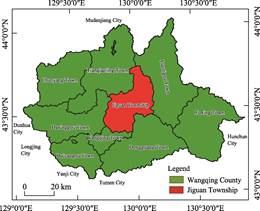
Figure 2 Geo-location
map of Jiguan Township
|
1.2 Case Area
The case area is Jiguan Township, located within
Wangqing County, Yanbian Korean Autonomous Prefecture, Jilin Province. It lies
in the central part of the county, with geographical coordinates ranging from
129°30¢E to 130°10¢E and 40°00¢N to 40°01¢N. The township is bordered by Luozigou
Town to the east, Wangqing Town and Dongguang Town to the south, Daxinggou Town
to the west, and Tianqiaoling Town to the north. The administrative area covers
818.24 km2, with a total population of 7,865 (Figure 2).
The township is
situated in the Changbai Mt. region, within the Jiguan River Basin, a tributary
of the Gaya River. The terrain rises toward the northeast and descends toward
the southwest. The northeastern area features mountainous and rugged
landscapes, while the southwestern area is relatively gentle, characterized by
interlaced river valleys. The average elevation is approximately 0.8 km. The
main mountains in the area include Qichejian Ridge, Tudingzi, and Dapingtou,
with Qichejian Ridge being the highest peak at 1.1 km. The lowest point is
located in Dabeigou Village in the western part of the township, at an
elevation of 280 m (Figure 3). Black fungus grows best in gently sloping mid-
and low-mountain areas at elevations between 250 and 850 m, with slopes less
than 15° being optimal. The climate is classified as temperate continental
monsoon, characterized by strong spring winds, short and rainy summers, cool
and clear autumns, and long, cold winters. According to statistics from the
Wangqing County Meteorological Bureau, the
annual average temperature is 4.8 ℃, with an average January temperature
of –16.8 ℃ and an extreme minimum of –31 ℃. In July, the average
temperature is 23.6 °C, with an extreme maximum of 35 ℃. The region is
rich in water resources with excellent water quality; all river water quality
indicators meet national standards. Additionally, the area has a high forest
coverage rate (Figure 4). Black fungus cultivation primarily relies on open
spaces beneath oak and birch forests, reforested former cropland, and gently
sloping abandoned non-arable land. These typical mountainous agricultural and
climatic characteristics provide favorable natural conditions for black fungus
growth.
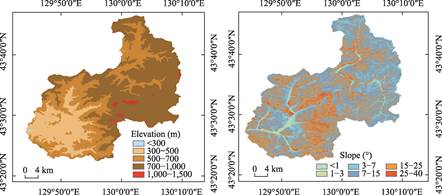
Figure
3 Classification
maps of elevation and slope in Jiguan Township
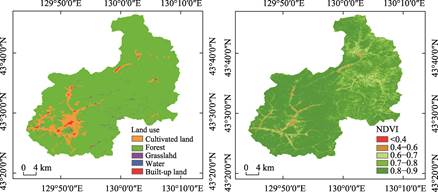
Figure
4 Land use and NDVI
distribution maps of Jiguan Township
1.3 Research Content and Data Composition
This
study focuses on 3 main aspects. First, it systematically investigates the
ecological and geographical characteristics of black fungus cultivation areas
in Jiguan Township, including key factors such as meteorology, soil, and
hydrology. Second, it analyzes the quality characteristics of black fungus
products and related production factors, particularly cultivation substrate
bags. Third, it examines the socioeconomic effects and management models of the
black fungus industry in the region. The supporting dataset comprises 5 data
folders: the case area boundary data, natural geographic data, variety
characteristic data, operation and management data, product culture and
historical tradition data, and photographs related to the case area. Together,
these datasets comprehensively cover the natural, economic, and social
dimensions of black fungus industry development.
2 Metadata of the Dataset
The metadata information of the GIES case
dataset on Wangqing black fungus facility agriculture mountain valleys in
Jiguan Township[7] including the title, author, geographical region,
data size, data file, etc., is summarized in Table 1.
Table
1 Metadata summary
of the GIES case dataset on Wangqing black fungus facility agriculture mountain
valleys in Jiguan Township
|
Items
|
Description
|
|
Dataset full name
|
GIES case dataset on Wangqing black fungus
facility agriculture mountain valleys in Jiguan Township
|
|
Dataset short name
|
WangqingBlackFungusCase32
|
|
Authors
|
Ye, Y. H., School
of Geo-Exploration Science and Technology, Jilin University, yyh13@
jlu.edu.cn
Zhao, Y.,
People’s Government of Wangqing County, wqsjjzhk@163.com
Li, E. H.,
People’s Government of Wangqing County, wqsjjzhk @163.com
Gao, M. X.,
People’s Government of Wangqing County, wqsjjzhk@163.com
Wang, J. S., Wangqing County Market Supervision and Administration
Bureau, wqsjjzhk@163.com
Song, Y. B.,
People’s Government of Jiguan Township, Wangqing County, wqsjjzhk@163.com
Gao, B., Wangqing
County Bureau of Agriculture and Rural Affairs, wqsjjzhk@163.com
Wang, Y. C., Wangqing County Market Supervision and Administration
Bureau, wqsjjzhk@163.com
Wang, B.,
Wangqing Bei’er Technology Co., Ltd., wqsjjzhk@163.com
Lin, Y., Jilin
Jiguan Edible Fungi Technology Development Co., Ltd., wqsjjzhk @163.com
Xia, W. Q.,
Yanxing Edible Fungi Professional Cooperative of Wangqing County,
wqsjjzhk@163.com
Wei, Y. C.,
Jixing Edible Fungi Planting Professional Cooperative of Wangqing County,
wqsjjzhk@163.com
Han, Y.,
Institute of Geographic Sciences and Natural Resources Research, Chinese
Academy of Sciences, hanyan78@163.com
Yao, F. J., Jilin
Agricultural University, yaofj@jlau.edu.cn
Lengliang, School
of Geo-Exploration Science and Technology, Jilin University, lengliang@jlu.edu.cn
Lu, P., School of
Geo-Exploration Science and Technology, Jilin University, lupeng@jlu.edu.cn
Chen, S. B.,
School of Geo-Exploration Science and Technology, Jilin University,
chensb@jlu.edu.cn
Wu, D., Jilin
Institute of GF Remote Sensing Application Co., Ltd., 1065142435@qq.com
|
|
Geographical region
|
Jiguan Township, Wangqing County, Yanbian
Korean Autonomous Prefecture, Jilin Province
|
|
Year
|
2000-2025
|
|
Data format
|
.shp, .tif, .xlsx, .docx, .jpg
|
|
Data size
|
80.2 MB
|
|
Data files
|
Case area boundary, natural geographic
data, black fungus product characteristic data, etc.
|
|
Foundation
|
Jilin Provincial Administration for Market
Regulation (2025)
|
(To
be continued on the next page)
(Continued)
|
Items
|
Description
|
|
Data publisher
|
Global Change Research Data Publishing
& Repository, http://www.geodoi.ac.cn
|
|
Address
|
No.11A, Datun Road, Chaoyang District,
Beijing 100101, China
|
|
Data sharing
policy
|
(1) Data are openly available and can be free
downloaded via the Internet; (2) End users are encouraged to use Data subject to citation; (3) Users,
who are by definition also value-added service providers, are welcome to
redistribute Data subject to
written permission from the GCdataPR Editorial Office and the issuance of a Data redistribution license; and (4)
If Data are used to compile new
datasets, the “ten percent principle” should be followed such that Data records utilized should not
surpass 10% of the new dataset contents, while sources should be clearly
noted in suitable places in the new dataset[8]
|
|
Communication and searchable system
|
DOI, CSTR, Crossref, DCI, CSCD, CNKI,
SciEngine, WDS, GEOSS, PubScholar, CKRSC
|
3 Geographical and Environmental Data
3.1 Data Collection Methods
The
ecological environment data for the case area were collected using an
integrated approach that combined satellite remote sensing with laboratory
testing. First, satellite remote sensing data were integrated with long-term
meteorological statistics to construct time series of climatic factors. Second,
field sampling was conducted, and laboratory analyses of soil, product and
water samples were performed to ensure data accuracy and comprehensiveness.
3.2 Climatic Conditions
According
to statistics from the Wangqing County Meteorological Bureau, climatic factors
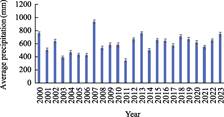
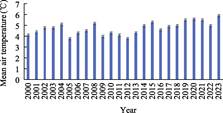
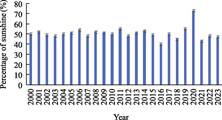
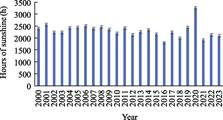
in the case area from 2000 to 2023—including average precipitation, average
temperature, sunshine percentage, sunshine duration, and frost-free
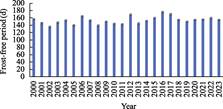
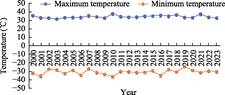
period—exhibited stable interannual variation characteristics (Figure 5–10),
without extreme or abnormal fluctuations. These climatic conditions align with
the growth requirements of black fungus, whose mycelia prefer a relatively dry
environment with temperatures between 22 and 28 ℃. The fruiting stage
requires temperatures of 20 to 25 ℃, high humidity, cool and shaded
conditions, sufficient diffused light, alternating dry and wet periods, and
good ventilation.
3.3 Soil Conditions
The
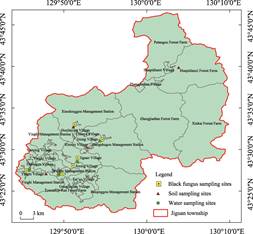
authors collected soil samples from 4 primary black fungus cultivation sites
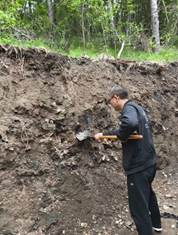
within the case area (Figure 11), where field sampling and soil profile
observations were also conducted (Figure 12). The predominant soil types in the
case area are black soil and chernozem-like, calcium-rich black soil.
|
|
|
|
Figure 5 Statistics of average precipitation in
Wangqing County (2000–2023)
|
Figure 6 Statistical
chart of average temperature in Wangqing County (2000–2023)
|
|
|
|
|
Figure
7 Statistical
chart of sunshine percentage in Wangqing County (2000–2023)
|
Figure
8 Statistical
chart of sunshine hours in Wangqing County (2000–2023)
|
|
|
|
|
Figure 9 Statistics
of frost-free days in Wangqing County (2000–2023)
|
Figure 10 Statistical chart of maximum and
minimum temperature in Wangqing County (2000–2023)
|
|
|
|
|
Figure
11 Distribution map of sampling sites
|
Figure 12 Case group members investigation,
field sampling
|
According to the Soil environmental quality risk
control standard for soil contamination of agricultural land (Trial) (GB
15618—2018)[9], heavy metals and nutrient elements in the soil
samples were analyzed. The test results, provided by the Testing Department of
the Northeast Institute of Geography and Agroecology, Chinese Academy of
Sciences (Table 2), showed that the heavy metal concentrations in all 4 soil
samples were well below the national standard limits, indicating excellent soil
environmental quality. Additionally, the soils were rich in nutrient elements
such as calcium (Ca), potassium (K), magnesium (Mg), phosphorus (P), and iron
(Fe), providing favorable nutrient conditions for black fungus growth.
3.4 Black Fungus Cultivation Substrate Quality
The
authors selected samples from 2 major substrate bag production bases located in
Jiguan Village and Dabeigou Village of Jiguan Township for monitoring.
According to the Soil environmental quality risk control standard for soil
contamination of agricultural land (Trial) (GB 15618—2018)[9], heavy
metals and nutrient elements were tested (Table 3).
Table 2 Statistical
testing result of main soil data in Jiguan Township
|
Test item
|
Sample 1
|
Sample 2
|
Sample 3
|
Sample 4
|
Limits[9]
|
|
pH
|
5.48
|
7.14
|
7.06
|
6.84
|
/
|
|
Pb (mg/kg)
|
21.19
|
12.56
|
14.49
|
20.46
|
≤140
|
|
Cd (mg/kg)
|
0.056
|
0.077
|
0.058
|
0.054
|
≤0.3
|
|
Cu (mg/kg)
|
9.21
|
17.28
|
27.30
|
16.02
|
≤100
|
|
Ca (g/kg)
|
4.53
|
23.46
|
29.68
|
12.63
|
/
|
|
K (g/kg)
|
19.67
|
16.06
|
10.63
|
19.95
|
/
|
|
Mg (g/kg)
|
6.25
|
16.11
|
19.61
|
10.90
|
/
|
|
P (g/kg)
|
0.58
|
0.86
|
0.82
|
1.13
|
/
|
|
Fe (g/kg)
|
25.31
|
55.01
|
42.14
|
41.52
|
/
|
|
OM (g/kg)
|
42.15
|
31.43
|
29.17
|
27.98
|
/
|
|
TN (g/kg)
|
1.69
|
1.01
|
1.38
|
1.54
|
/
|
|
TP (g/kg)
|
0.445
|
0.653
|
1.008
|
0.639
|
/
|
|
Cr (mg/kg)
|
58.17
|
64.80
|
107.54
|
71.81
|
≤150
|
|
Ni (mg/kg)
|
15.88
|
23.82
|
32.89
|
15.11
|
≤100
|
|
Zn (mg/kg)
|
60.20
|
57.16
|
64.76
|
79.74
|
≤200
|
|
Hg (mg/kg)
|
0.189
|
0.135
|
0.049
|
0.041
|
≤1.3
|
|
As (mg/kg)
|
13.26
|
5.40
|
7.91
|
13.37
|
≤40
|
Note: / indicates no
corresponding standard limit.
Table 3 Statistical testing result of black
fungus cultivation substrate in Jiguan Township
|
Test item
|
Jiguan Village
|
Dabeigou Village
|
Limits[9]
|
|
TOC (g/kg)
|
485.34
|
475.85
|
/
|
|
TN (g/kg)
|
5.33
|
6.94
|
/
|
|
TP (g/kg)
|
0.463
|
0.545
|
/
|
|
Ca (g/kg)
|
13.377
|
17.428
|
/
|
|
K (g/kg)
|
3.204
|
2.370
|
/
|
|
Mg (g/kg)
|
0.641
|
1.091
|
/
|
|
Fe (g/kg)
|
0.905
|
1.266
|
/
|
|
Cu (mg/kg)
|
4.361
|
6.232
|
≤50
|
|
Pb (mg/kg)
|
0.626
|
2.177
|
≤90
|
|
Cd (mg/kg)
|
0.044
|
0.134
|
≤0.3
|
Note: / indicates no
corresponding standard limit.
The results
showed that the concentrations of lead (Pb), cadmium (Cd), and copper (Cu) in
the substrate bags ranged from 0.626 to 2.177 mg/kg, 0.044 to 0.134 mg/kg, and
4.361 to 6.232 mg/kg, respectively, all well below the national standard
limits. Additionally, the substrate bags contained adequate levels of total
organic carbon (TOC), total nitrogen (TN), total phosphorus (TP), and essential nutrient elements such as calcium, potassium,
magnesium, and iron. These conditions provide a stable nutrient supply for
black fungus growth, and the quality of the substrate bags meets the
requirements for high-quality cultivation.
3.5 Water Conditions
The
irrigation water sources for black fungus cultivation in Jiguan Township
primarily consist of atmospheric precipitation and surface runoff. The
cultivation areas are situated within traditional agricultural regions, with no
industrial enterprises present in the watershed and no external sources of
pollution.
The authors collected water samples from 4 sampling sites
within the case area (Figure 11). According to the Standard for irrigation
water quality (GB 5084—2021)[10], 21 elements and
ions were tested and analyzed (Table 4). The test results, provided by the
Testing Department of the Northeast Institute of Geography and Agroecology,
Chinese Academy of Sciences, showed that all water quality indicators exceeded
national standards, indicating excellent water quality conditions that fully
satisfy the irrigation requirements for black fungus cultivation.
Table 4 Statistical
testing result of river water quality in Jiguan
Township
|
Test item
|
Sample 1
|
Sample 2
|
Sample 3
|
Sample 4
|
Limits[10]
|
|
pH
|
7.21
|
7.05
|
7.53
|
6.75
|
5.5–8.5
|
|
CODcr (mg/L)
|
22.3
|
1.96
|
1.96
|
2.74
|
≤200
|
|
LAS (mg/L)
|
0.00021
|
ND
|
ND
|
0.00016
|
≤8
|
|
Cl– (mg/L)
|
3.634
|
2.697
|
2.882
|
2.922
|
≤350
|
|
S2– (mg/L)
|
0.0098
|
0.0058
|
0.0066
|
0.0067
|
≤1
|
|
TSC (mg/L)
|
84
|
56
|
55
|
38
|
≤1,000
|
|
Pb (μg/L)
|
1.789
|
0.462
|
0.440
|
0.413
|
≤200
|
|
Cd (μg/L)
|
0.071
|
0.090
|
0.043
|
0.058
|
≤100
|
|
Cr6+ (μg/L)
|
ND
|
ND
|
ND
|
ND
|
≤100
|
|
Hg (μg/L)
|
0.025
|
0.024
|
0.144
|
0.018
|
≤1
|
|
As (μg/L)
|
1.783
|
1.056
|
1.184
|
0.892
|
≤100
|
|
Ca (mg/L)
|
10.850
|
31.069
|
21.640
|
15.386
|
/
|
|
K (mg/L)
|
0.820
|
1.531
|
0.996
|
1.547
|
/
|
|
Mg (mg/L)
|
2.085
|
5.369
|
1.859
|
2.821
|
/
|
|
P (mg/L)
|
0.024
|
0.014
|
0.034
|
0.034
|
/
|
|
Fe (mg/L)
|
0.147
|
0.101
|
0.419
|
0.118
|
/
|
|
Cu (μg/L)
|
1.796
|
2.106
|
5.900
|
2.702
|
≤1,000
|
|
TSS (mg/L)
|
14
|
17
|
8
|
14
|
≤100
|
|
F– (mg/L)
|
0.104
|
0.184
|
0.074
|
0.075
|
≤2
|
|
B (mg/L)
|
0.103
|
0.105
|
0.090
|
0.084
|
≤2
|
|
Ni (μg/L)
|
1.166
|
0.733
|
0.776
|
0.835
|
≤200
|
|
CN– (μg/L)
|
0.104
|
0.122
|
0.079
|
0.095
|
≤500
|
Note: ND
indicates not detected; / indicates no corresponding standard limit.
4 Product Characteristics Data
4.1 Basic Product Characteristics
The
cultivation of black fungus in Wangqing Jiguan Township generally requires
fruiting sites that are open, clean, well-ventilated, well-drained, protected
from waterlogging, close to water sources, and easily accessible for
transportation. Suitable locations include grasslands, flatlands, gentle
slopes, or forested areas with approximately 60% sunlight and 40% shade, while
low-lying areas should be avoided.
The quality
characteristics of the black fungus are as follows: the fruiting bodies are
bowl-shaped, measuring 5–8 cm in diameter and 1.0–1.3 mm in thickness. They
have a thick, gelatinous texture, strong elasticity, and semi-transparency. The
upper surface is a pure dark brown to black with a glossy appearance, while the
underside is slightly grayish-white, with a clear distinction between the two
surfaces. The product also demonstrates excellent rehydration properties,
featuring large, uniformly sized pieces, well-expanded lobes with minimal
curling, no rotten or damaged parts, and no unusual odor (Figure 13 and 14).
4.2 Product Quality
This
study selected autumn black fungus samples from 6 core cultivation villages in
Jiguan Township: Jixing Village, Dabeigou Village, Jiguan Village, Yingbi
Village, Jiming Village, and Huojiaying Village (Figure 11). The amino acid
composition and quality indicators were analyzed by PONY Testing Group Shanghai
Co., Ltd.
The amino acid
analysis results (Table 5) revealed that samples from all six villages
contained 16 common amino acids[11], with total amino acid contents
ranging from 5.88 to 8.37 g/100g. Among these, glutamic acid was the most
abundant (0.77–1.06 g/100g), followed by aspartic acid (0.68–0.92 g/100g). The
samples included a full complement of essential amino acids and demonstrated a
balanced amino acid profile.
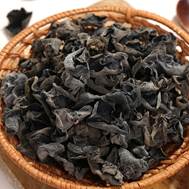
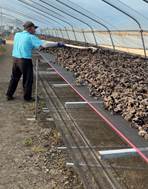
Figure 13 Auricularia auricula ( Jiguan Township
) Figure 14 Black fungus drying ( Jiguan Township )
Table 5 Statistical
testing result of 16 amino acids in black fungus Unit: g/100g
|
Test item
|
Jixing Village
|
Dabeigou Village
|
Jiguan Village
|
Yingbi Village
|
Jiming Village
|
Huojiaying Village
|
|
Aspartic acid
|
0.71
|
0.83
|
0.78
|
0.92
|
0.68
|
0.74
|
|
Threonine
|
0.45
|
0.52
|
0.49
|
0.58
|
0.43
|
0.48
|
|
Serine
|
0.41
|
0.50
|
0.47
|
0.56
|
0.41
|
0.41
|
|
Glutamic acid
|
0.80
|
0.91
|
0.85
|
1.06
|
0.77
|
0.82
|
|
Proline
|
0.33
|
0.39
|
0.38
|
0.45
|
0.28
|
0.35
|
|
Glycine
|
0.33
|
0.43
|
0.39
|
0.47
|
0.32
|
0.35
|
|
Alanine
|
0.57
|
0.67
|
0.63
|
0.77
|
0.54
|
0.60
|
|
Valine
|
0.42
|
0.50
|
0.47
|
0.56
|
0.39
|
0.44
|
|
Methionine
|
0.010
|
0.038
|
0.030
|
0.030
|
ND
|
0.020
|
|
Isoleucine
|
0.22
|
0.28
|
0.26
|
0.31
|
0.20
|
0.22
|
|
Leucine
|
0.49
|
0.62
|
0.58
|
0.70
|
0.47
|
0.54
|
|
Tyrosine
|
0.20
|
0.23
|
0.19
|
0.23
|
0.20
|
0.24
|
|
Phenylalanine
|
0.33
|
0.42
|
0.38
|
0.45
|
0.32
|
0.34
|
|
Lysine
|
0.32
|
0.46
|
0.44
|
0.50
|
0.32
|
0.34
|
|
Histidine
|
0.20
|
0.22
|
0.22
|
0.26
|
0.19
|
0.21
|
|
Arginine
|
0.36
|
0.46
|
0.44
|
0.52
|
0.36
|
0.37
|
|
Total 16 amino
acids
|
6.15
|
7.48
|
7.00
|
8.37
|
5.88
|
6.47
|
Note: ND indicates
not detected.
According to the
national standard for Wood ear (GB/T 6192—2019)[11], the product
quality was tested by the Yanbian Korean Autonomous Prefecture Inspection and
Testing Center. The results showed that all indicators exceeded the national
standard requirements. The fruiting bodies were complete and uniform, naturally
curled, and exhibited a pure color with good gloss. No moldy or insect-damaged
fungus was detected, and the impurity content was 0 (national standard limit ≤0.5%)
(Table 6).
Table 6 Statistical
testing result of black fungus quality in Jiguan Township
|
Test item
|
Yingbi Village
|
Huojiaying Village
|
Jiming Village
|
Jiguan Village
|
Dabeigou Village
|
Jixing Village
|
Limits[11]
|
|
Mouldy ear
|
ND
|
ND
|
ND
|
ND
|
ND
|
ND
|
None
|
|
Insect earworm
|
ND
|
ND
|
ND
|
ND
|
ND
|
ND
|
None
|
|
Ear thickness (mm)
|
0.7
|
0.6
|
0.6
|
0.7
|
0.7
|
0.7
|
/
|
|
Impurities (%)
|
0.0 (no hair, metal debris, glass)
|
0.0 (no hair, metal debris, glass)
|
0.0 (no hair, metal debris, glass)
|
0.0 (no hair, metal debris, glass)
|
0.0 (no hair, metal debris, glass)
|
0.0 (no hair, metal debris, glass)
|
≤0.5
|
|
Dry-wet ratio
|
1:11.9
|
1:11.4
|
1:11.0
|
1:10.7
|
1:10.4
|
1:12.0
|
≥1:9
|
|
Moisture (%)
|
9.52
|
9.63
|
9.61
|
9.65
|
9.67
|
9.49
|
≤12.0
|
|
Ash (in dry mass) (%)
|
4.3
|
4.2
|
4.4
|
4.6
|
4.3
|
4.2
|
≤6.0
|
|
Total sugar (converted sugar) (%)
|
56.8
|
48.9
|
49.2
|
44.1
|
43.8
|
51.9
|
≥22.0
|
|
Crude protein (%)
|
11.0
|
10.8
|
12.6
|
12.8
|
12.5
|
10.9
|
≥7.0
|
|
Crude fat (%)
|
0.4
|
0.4
|
0.5
|
0.5
|
0.5
|
0.5
|
≥0.4
|
|
Crude fiber (%)
|
3.6
|
4.0
|
3.9
|
3.0
|
3.1
|
4.9
|
3.0–6.0
|
|
Pb (mg/kg)
|
0.061
|
0.056
|
0.18
|
0.17
|
0.21
|
0.082
|
≤1.0
|
|
Cd (mg/kg)
|
0.031
|
0.032
|
0.055
|
0.051
|
0.055
|
0.031
|
≤0.5
|
|
Inorganic arsenic (mg/kg)
|
0.073
|
0.065
|
0.057
|
0.081
|
0.077
|
0.051
|
≤0.5
|
|
Methylmercury (mg/kg)
|
0.0083
|
0.010
|
0.011
|
ND
|
0.091
|
0.013
|
≤0.1
|
|
DDT (mg/kg)
|
ND
|
ND
|
ND
|
ND
|
ND
|
ND
|
/
|
|
BHC (mg/kg)
|
ND
|
ND
|
ND
|
ND
|
ND
|
ND
|
/
|
|
Dichlorvos (mg/kg)
|
ND
|
ND
|
ND
|
ND
|
ND
|
ND
|
/
|
|
Ca (mg/kg)
|
490
|
456
|
358
|
426
|
395
|
457
|
/
|
|
Fe (mg/kg)
|
4.00
|
3.93
|
12.56
|
10.52
|
12.23
|
4.02
|
/
|
|
Mg (mg/kg)
|
167
|
211
|
203
|
221
|
212
|
151
|
/
|
|
P (mg/kg)
|
192
|
190
|
287
|
302
|
310
|
194
|
/
|
|
K (mg/kg)
|
1,014
|
1,038
|
1,126
|
1,149
|
1,158
|
930
|
/
|
Note: ND indicates not
detected; / indicates no corresponding standard limit.
In terms of
nutritional composition, black fungus is rich in protein, fat, carbohydrates,
and various minerals. The dietary fiber content ranges from 29% to 31%, calcium
from 110 to 130 mg/100g, iron from 9 to 11 mg/100g, magnesium from 140 to 160
mg/100g, phosphorus from 250 to 280 mg/100g, potassium from 1 to 3 g/100g, and
selenium from 1.5 to 3 μg/100g, indicating balanced and abundant nutrition. The
dried product has thick flesh and a dark color, while after rehydration, it
exhibits good elasticity and glossiness. When consumed, it has a smooth and
delicate texture with a distinctive natural fragrance, demonstrating excellent
quality.
The concentrations of heavy metals, including
lead, cadmium, inorganic arsenic, and methylmercury,
were all well below the National food safety standard—maximum levels of
contaminants in food (GB 2762—2022) limits[12]. Additionally, no
pesticide residues such as DDT, BHC, or dichlorvos were detected, indicating
that the product is safe and of reliable quality.
5 Historical, Cultural, and Industrial Management
5.1 Cultivation Management
The cultivation and management of Wangqing Jiguan
black fungus adhere to standardized procedures throughout the entire production
process[13,14]. A rigorous standardized system has been established,
encompassing all stages, including strain selection and breeding, raw material
substrate preparation, substrate bag production, mycelial cultivation and
fruiting, field management, pest and disease control, harvesting and
processing, and traceability management.
Priority is
given to locally adapted, high-quality, cold-resistant strains. Qualified
cultivation materials, such as hardwood broadleaf sawdust, are strictly
regulated regarding composition ratios, moisture content, and bagging
standards. Complete sterilization for adequate durations and aseptic
inoculation procedures are rigorously implemented. During the mycelial growth
stage, temperature, humidity, light exclusion, ventilation, and post-ripening
of substrate bags are carefully controlled. After the mycelia mature, openings
are made according to uniform specifications to stimulate fruiting. Based on
the characteristics of open-air, full-light cultivation in Northeast China,
scientific regulation is applied to light exposure, intermittent mist spraying,
field drainage, and ventilation conditions during the fruiting stage[15,16].
Green pest and
disease management practices, emphasizing agricultural and physical control
methods, are consistently adopted, while the use of highly toxic pesticides is
strictly prohibited or restricted. Harvesting is conducted at the appropriate
maturity stage, followed by standardized sun drying or low-temperature drying,
graded dehydration, and clean storage and packaging. Additionally, a
comprehensive production record system has been established to ensure
full-process traceability. Strict controls are enforced against the use of prohibited raw materials, insufficient
sterilization, illegal pesticide application, contamination by
miscellaneous fungi, and improper drying practices, thereby comprehensively
ensuring the safety and quality of black fungus products.
Based on the
growth conditions and cultivation experience of wild black fungus, sawdust is
selected as the primary substrate material. Wheat bran serves as a
supplementary filler and nutrient source, soybean meal powder provides minerals
and trace elements, gypsum powder acts as a stabilizing and shaping agent, and
lime is used to regulate the substrate’s pH. The proportions of the substrate
components are as follows: sawdust 90%–95%, wheat bran 2%–4%, soybean meal
powder 2%–3%, gypsum 0.8%–1.2%, and lime 0.6%–0.8%. The wood materials
primarily originate from local birch and Mongolian oak trees in the Changbai Mt.
area.
Each discarded
cultivation bag weighs approximately 0.4 to 0.5 kg after use. There are 4
primary methods for recycling discarded substrate bags: (1) use as household
fuel; (2) returning spent substrate residue to farmland as fertilizer; (3)
recycling by enterprises; and (4) biomass power generation. The recycling price
for discarded substrate bags is approximately 240 to 260 CNY per ton.
5.2 Cultural History of Wangqing Jiguan Black
Fungus
The
history of harvesting and consuming black fungus in Jiguan Township, Wangqing
County, dates back many centuries. As early as 73 BC, the Book of Rites (Liji)
recorded the phrase “food added to the common, ashamed of the Zhitong”, in
which “Zhitong” referred to mushrooms and fungal products. In the 530s AD, the
Northern Wei agricultural scientist Jia Sixie described culinary methods for
black fungus in the Qimin Yaoshu. During the Tang Dynasty, SU Gong first documented artificial
cultivation techniques for black fungus in the Tang Bencao Zhu, stating:
“Mulberry, locust, cypress, elm, willow, these kinds of trees can grow agaric.
Boiled rice slurry porridge, spread on the branches of these trees, and then
covered with grass, the fungus naturally grew out”, meaning that black fungus
could be cultivated on various hardwood trees by applying a cooked
porridge-like paste and covering it with grass.
The history of
black fungus cultivation in Wangqing County dates back to 1862, during the
Tongzhi reign of the Qing Dynasty. According to the Wangqing County Annals,
local residents gradually developed diversified livelihood strategies beyond
farming, hunting, and medicinal herb collection, including “caiying” (black
fungus cultivation) and “bangchuiying” (ginseng cultivation).
The cultivation
of black fungus in Jiguan Township has grown from an initial annual planting of
1.2 million bags to 30 million bags in 2025 (the highest total planting scale
in the township’s history reached 48 million bags in previous years). The
industry now encompasses all administrative villages, and the number of
cultivation households has increased from more than 60 to over 750. An
ecological circular industrial chain has been established, integrating strain
research and development, substrate bag production, cultivation base
construction, product processing, brand packaging, logistics distribution, and
waste substrate treatment, making black fungus the township’s pillar industry.
In 2019, the
township hosted the China Wangqing Black Fungus Industry Development
Conference. On July 4, 2020, Jiguan Township also held a Black Fungus Festival
featuring activities such as performances by the Xiangmao Dance Art Troupe,
black fungus picking competitions, black fungus packaging contests, visits to
product and art exhibition areas, and a Korean ethnic folk event that included
a “thousand-person bibimbap banquet”.
5.3 Changes in Population Structure and Industrial
Development
From
2014 to 2025, the population of Jiguan Township exhibited a continuous decline.
The rural population decreased from 8,510 to 7,361, a reduction of 1,149
people, representing a 13.50% decrease. This corresponds to an average annual
decrease of 104.5 people and an average annual decline rate of 1.23%.
The working-age
population decreased from 5,531 to 4,722, a cumulative reduction of 809 people,
representing a decline of 14.63%. The proportion of the labor-force population
declined slightly from 64.99% to 64.15%, a decrease of 0.84 percentage points. This
reduction in the total labor supply has had a noticeable impact on agricultural
production and rural development (Table 7).
The urban-rural
population structure exhibited a pattern of “rural increase and urban decrease”,
with the urbanization rate declining contrary to the overall trend. The
proportion of the rural population in the total population rose from 92.32% to
93.59%, an increase of 1.27%. Meanwhile, the urban population decreased from
708 to 504, a reduction of 204 people or 28.81%, and its share of the total
population declined from 7.68% to 6.41%. The rate of decline in the urban
population was 1.96 times greater than that of the total population, indicating
a continuous contraction of the urban population size.
The gender
composition of the population remained relatively stable. The male population
decreased from 4,744 to 4,045, a decline of 14.73%, while the female population
decreased from 4,474 to 3,820, a decline of 14.62%, maintaining a balanced
gender ratio.
Since the implementation of the rural
revitalization strategy, the black fungus industry in Jiguan Township has
attracted investments totaling 69.0966 million CNY. 5 standardized
substrate-bag factories have been established with a combined investment of
22.7616 million CNY, producing 200,000 substrate bags daily, with most wood and
sawdust
Table 7 Statistical of rural population of
Jiguan Township over the years
|
Year
|
Rural organizations of gross
roots
|
Rural households and population
|
|
Village
committee
|
Villagers’
groups
|
Rural households
|
Rural population (persons)
|
Population within working age
(persons)
|
|
2014
|
13
|
64
|
2,995
|
8,510
|
5,531
|
|
2015
|
13
|
64
|
2,790
|
7,925
|
5,167
|
|
2016
|
13
|
64
|
2,780
|
7,914
|
4,610
|
|
2017
|
13
|
64
|
2,761
|
7,840
|
4,896
|
|
2018
|
13
|
64
|
2,755
|
7,825
|
5,491
|
|
2019
|
13
|
64
|
2,722
|
7,740
|
5,413
|
|
2020
|
13
|
64
|
2,735
|
7,777
|
5,055
|
|
2021
|
13
|
64
|
2,692
|
7,644
|
4,968
|
|
2022
|
13
|
64
|
2,684
|
7,623
|
4,910
|
|
2023
|
13
|
64
|
2,640
|
7,498
|
4,822
|
|
2024
|
13
|
64
|
2,617
|
7,431
|
4,810
|
|
2025
|
13
|
64
|
2,592
|
7,361
|
4,722
|
materials
sourced from Liaoning Province. 1 strain-production factory was constructed
with an investment of 9.25 million CNY, boasting an annual production capacity
of 1.5 million strain bags. 3 standardized incubation workshops were
established with a total investment of 29.5 million CNY, capable of cultivating
8 million bags annually. 4 black fungus cultivation bases were developed with a
total investment of 7.515 million CNY, all situated on basic farmland, with an
annual placement capacity of 2.7 million cultivation bags. Additionally, an
edible fungus research institute was founded with an investment of 70,000 CNY.
In 2019, the “Jiguan Qingwa” black fungus brand was officially registered and
subsequently obtained QS certification, Green Food certification, and
Geographical Indication Product protection.
By 2025, the
industry had achieved a total production of 1.8 million kg of black fungus,
with an annual output value of 100 million CNY and net profits approaching 36
million CNY. The average household income increased by 48,000 CNY, providing
strong support for regional economic development and farmers’ income growth.
At present,
Wangqing black fungus has become a key pillar industry in the county’s
agricultural sector. The county currently hosts 17 provincial- or
prefecture-level leading agricultural industrialization enterprises, 71
standardized substrate-bag factories, 116 specialized cooperatives, and 10
family (specialized) farms. The annual cultivation scale remains stable at 450
million bags, producing 23,000 t of dried black fungus with an output value of
3.4 billion CNY, supporting approximately 30,000 farming households involved in
related industries.
During the
poverty alleviation campaign, the industry increased the per capita income of
14,369 impoverished individuals from 8,356 households by more than 500 CNY
through 3 main approaches: substrate-bag production, cultivation and
maintenance, and employment opportunities. In the rural revitalization stage,
an innovative “enterprise + village collective + farmer household” model was
introduced, whereby cooperatives or leading enterprises undertook cultivation
and management on behalf of households with limited or no labor capacity. In
2024, this model helped 1,784 formerly impoverished individuals from 1,137
households increase their per capita income by more than 400 CNY, demonstrating
significant industrial spillover and driving effects.
5.4 Ecological Environment Traceability for
Wangqing Jiguan Black Fungus
To
ensure traceability of the black fungus growth environment and production
process, in April 2025, the Market Supervision Administration of Wangqing
County, in collaboration with the Government of Jiguan Township, installed the
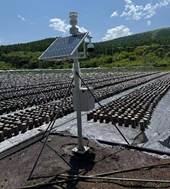
GIES ground station in the core black fungus cultivation areas (Figure 15, 16).
The ground
station is low-power Internet of Things (IoT) sensing devices capable of
automatically acquiring, identifying, and transmitting ecological and
environmental data, including meteorological conditions, air quality, soil
conditions, water quality, vegetation, phenology, and pest and disease
information. Additionally, clear responsibilities for equipment protection and
operational management have been established.
|
|
|
|
Figure 15 GIES
ground station
(Photo taken by WANG Yichun
on May 24, 2025)
|
Figure 16 QR code of
GIES ground station in Jiguan Township
|
6 Discussion and Conclusion
The unique topography and landforms of Jiguan
Township, combined with its favorable climatic conditions—including abundant
sunlight, suitable temperature, and humidity—as well as high-quality soil and
water resources, have collectively fostered the production of high-quality
black fungus with distinctive geographical indication characteristics. By
leveraging local ecological resources, this case has developed high-value-added
agricultural cultivation and deep-processing industries, while also nurturing
leading agricultural industrialization enterprises. Consequently, the industry
has achieved significant economic benefits, including an annual output value of
100 million CNY and an average household income increase of 48,000 CNY, in
addition to creating substantial employment opportunities. These
accomplishments have played a crucial role in mitigating population outflow and
promoting rural revitalization.
At the same time, the development model
established in Jiguan Township—characterized by “ecological
conservation+standardized production+brand building+integration of primary,
secondary, and tertiary industries”—offers valuable practical experience for
developing distinctive agricultural products and promoting the coordinated
advancement of ecological and economic development in similar regions
throughout China.
Future research could further deepen the
analysis of the coupling relationships between black fungus growth and
ecological environmental factors, optimize cultivation technologies, and
enhance industrial ecological benefits. Additionally, greater efforts should be
made to explore brand culture and strengthen market promotion to expand into
high-end consumer markets and foster higher-quality, more sustainable
industrial development.
Author
Contributions
Ye, Y. H., Lu, P.,
Leng, L. and Chen, S. B. were responsible for the overall design of the data
set and the first draft of the data paper; Wang, Y. C. and Ye, Y. H. were
responsible for the collection and testing of samples such as soil, water and
bacteria. Zhao, Y., Li, E. H., Gao, M. X., Wang, J. S., Gao, B., Wang, Y. C.,
Wu, D. provided and processed real-time monitoring data; Song, Y. B. provided
social and economic development and demographic data of Jiguan Township; Wang,
B., Lin, Y., Xia, W. Q., Wei, Y. C., Han, Y., Yao, F. J. collected and provided
the key data of black fungus planting management. Ye, Y. H. completed the final
draft of the paper.
Acknowledgments
The authors sincerely thank Professors Liu,
C., Wang, Z. B., and Song, X. F. for their guidance. We also express gratitude
to the leaders of the Market Supervision Administration of Wangqing County and
other related departments for their strong support.
Conflicts of Interest
The
authors declare no conflicts of interest.
References
[1] Mu, J. H. Research on
the EU geographical indication system for agricultural products and its
enlightenment [J]. Quality and Safety of Agricultural Products, 2021(2):
88–92.
[2] Dong, Y. N., Gu, Y.,
Yang, K. Z. Agricultural product brands, market integration and agricultural
income growth [J]. Journal of Capital University of Economics and Business,
2021, 23(1): 70–80.
[3] Pan, S. J. Let
geographical indications boost rural revitalization [N]. Fujian Daily,
2021-02-28(001).
[4] Han, X. The industrial
transformation road of Wangqing Auricularia auricula [J]. Agricultural
Products Market, 2019(11): 30–32.
[5] Li, J. Y., Chi, W., Liu,
B., et al. Analysis on the current situation of industrial economy and
comparison of production benefits of Auricularia auricula in China [J]. Edible
Fungi, 2019, 41(6): 6–8+10.
[6] Hou, R. M. Analysis on
the economic value and processing utilization of edible fungi [J]. Agricultural
Products Processing, 2018(11): 74–76.
[7] Ye, Y. H., Zhao, Y., Li,
E. H., et al. GIES case dataset on Wangqing black fungus facility agriculture
mountain valleys in Jiguan Township [J/DB/OL]. Digital Journal of Global
Change Data Repository, 2026. https://doi.org/10.3974/geodb.2026.02.07.V1.
[8] GCdataPR Editorial
Office. GCdataPR data sharing policy [OL].
https://doi.org/10.3974/dp.policy.2014.05 (Updated 2017).
[9] Ministry of Ecology and
Environment of P. R. China, State Administration for Market Regulation. Soil
environmental quality risk control standard for soil contamination of
agricultural land (Trial) (GB 15618—2018) [S]. Beijing: China Environment
Publishing Group, 2018.
[10] Ministry of Ecology and Environment
of P. R. China, State Administration for Market Regulation. Standard for
irrigation water quality (GB 5084—2021) [S]. Beijing: China Environment
Publishing Group, 2021.
[11] State Administration for Market
Regulation, National Standardization Administration. Wood ear (GB/T 6192—2019)
[S]. Beijing: Standards Press of China, 2019.
[12] National Health Commission of P. R.
China, State Administration for Market Regulation. National food safety
standard—maximum levels of contaminants in food (GB 2762—2022) [S]. Beijing:
Standards Press of China, 2022.
[13] Huang, R. X., Li, S. R., Huang, S.
M., et al. Standardized cultivation technology of full-light ground
planting with small holes for Auricularia auricula in the Changbai Mountain
area [J]. Jilin Vegetables, 2017(7): 31–33.
[14] Yao, F. J., Zhang, Y. M., Chen, Y.,
et al. Brief analysis of two main cultivation modes of Auricularia
auricula in China [J]. Edible and Medicinal Fungi, 2011(3): 38–39.
[15] Wang, Y., Ji, S.
J., Wang, Z. H., et al. Auricularia auricula new variety
‘Jiyaner No. 1’ [J]. Acta Horticulturala Sinica, 2025 (52): 139–140.
[16] Fu, J., Yang, Y. C., Zheng, H. C.
The effect of tending timber on the quality and industrial development of
Auricularia auricula [J]. Forestry industry, 2025(62): 95–100.