GIES
Case Study on Helong Toudao Wild and Forest-Grown Ginseng Temperate Mixed
Coniferous and Broad-Leaved Forest
WANG Hong¹*
JIN Riguo2
HU Wei3 WANG Hongjie4 WANG Dong5 XU Yuhua6 YIN Huiying6 CUI Bin7 GUAN Haiyang7 HUANG Yan8 YU Jiameng9 ZHANG Zeyang9 ZHU Shengnan10 LI Hongri11 WANG Tingrui12 CHEN Peng12 WANG Tingting¹ MA Yingyuan13 CUI He¹ DING Yinglong1
1. Institute of Geographic
Sciences and Natural Resources Research, Chinese Academy of Sciences, Beijing
100101, China; 2. People’s
Government of Helong City, Helong 133500, China; 3. Northeast
Institute of Geography and Agroecology, Chinese Academy of Sciences, Changchun
130102, China; 4. Shenyang Agricultural University, Shenyang 110866, China; 5.
School of Life Sciences, Henan University, Zhengzhou 450046, China; 6. Helong
Municipal Administration for Market Regulation, Helong 133500, China; 7. Helong
Municipal Bureau of Agriculture and Rural Affairs, Helong 133500, China; 8.
People’s Government of Toudao Town, Helong
City, Helong 133500, China; 9. Helong Meteorological Service, Helong 133500,
China; 10. Helong Water Resources Bureau, Helong 133500, China; 11. Helong
Municipal Bureau of Natural Resources and Forestry, Helong 133500, China; 12.
Yanbian Dayang Ginseng Industry Co., Ltd., Yanji 133000, China; 13. China
University of Geosciences, Wuhan 430074, China
Abstract:
Helong City,
located in the southeastern part of Jilin Province within the southern region
of the Yanbian Korean Autonomous Prefecture, lies on the eastern foothills of
the Changbai Mt. During the Qing Dynasty, Ying’e Ridge of the Changbai Mt. was
a major royal tribute area for wild ginseng, and the case area, Toudao Town in
Helong City, was one of the core regions of its production. It
covers a total area of 514.3 km2, administers 2 communities, 16
administrative villages, and 136 villager groups, and has a total population of
25,200. From 1962 to 2024, Helong recorded an average annual temperature of
5.36 ℃, an average annual sunshine duration of 2,321.89 h, and an
average annual precipitation of 549.68 mm. The soil in the case area is
classified as acidic dark brown forest soil (pH 4.55–6.10), with no soil
environmental pollution. Forest-grown ginseng growth relies on natural
precipitation, and local water quality surpasses the national irrigation water
standard (GB 5084—2021). This study focuses on wild
ginseng, strictly defined as ginseng sown and naturally grown in deep mountain
forests for more than 15 years (GB/T 18765—2015). The deep coupling of this
unique geographical background and plant growth facilitates a significant
accumulation of active compounds. The content of total ginsenosides
(5.34%), ginsenoside Rb1 (1.16%), and Re+Rg1
(1.77%) in wild ginseng all surpass the minimum thresholds set by national
standards (4.40%, 0.60%, 0.40% respectively, under GB/T 18765—2015 and GB/T
19506—2009). Other physicochemical and hygiene indicators also comply with
national standards. Capitalizing on its geographical and environmental
advantages, Helong City has developed a sustainable model of “forest
cultivation with ginseng” centered around the case area. In 2021, its “Jilin Helong
Forest-Grown Ginseng and Ganoderma Cultivation System” was recognized as part
of the sixth batch of China’s Important Agricultural Heritage Systems. The case
dataset encompasses geographic scope, ecological environment, varietal
characteristics, socioeconomic and management data, consisting of .shp, .tif,
.xlsx, .jpg, and .pdf formats, with a total size of 178 MB (compressed into a
61.6 MB file).
Keywords: Changbai Mountain; Helong; ginseng; wild ginseng; GIES; Case 33
DOI: https://doi.org/10.3974/geodp.2026.03.06
Dataset Availability Statement:
The dataset
supporting this paper was published and is accessible through the Digital Journal of Global Change Data
Repository at: https://doi.org/10.3974/geodb.2026.03.04.V1.
1 Introduction
Ginseng
(Panax ginseng C. A. Mey.) is a perennial herbaceous plant in the family
Araliaceae. Owing to its root’s resemblance to the human body and its
exceptional medicinal properties, it has been revered since ancient times as the “divine herb”[1]. The
medicinal use of ginseng can be traced back to the Shang Dynasty, where the
pictograph for “shen” appeared on bronze vessels. The earliest extant Chinese
pharmacopoeia, Shennong Bencao Jing,
categorized ginseng as a “superior grade” herb, noting that it “nourishes the
five viscera, calms the spirit, stabilizes the soul, relieves palpitations,
expels pathogenic qi, brightens the eyes, benefits the mind, and prolongs life
with long-term use”. The Pharmacopoeia of China: 2020 Edition[2] also
specifies that ginseng replenishes vital energy, restores pulse, strengthens
the spleen and lungs, generates fluids, nourishes blood, and calms the mind.
Its primary active ingredients are saponins (ginsenosides), which have been
demonstrated to exert pharmacological effects such as anti-fatigue,
antioxidant, and immunomodulatory activities[3–12].
|
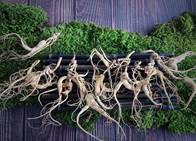
Figure 1 Forest-grown
ginseng of Toudao Town, Helong City
|
However, ginseng
has stringent habitat requirements, weak natural reproductive capacity, and a
long growth cycle, making wild resources extremely scarce[13].
Historical over-harvesting and the impacts of climate change have further
exacerbated its decline, leading to the near disappearance of wild ginseng in
original habitats such as the Tai hang
Mountain[14,15]. Today, the main production areas have gradually
shifted northward to the Changbai Mt., giving rise to the saying: “For ginseng
in the world, look to China; for ginseng in China, look to Jilin” (Figure 1)[16]. At present, truly wild ginseng[17]
(original ecological ginseng naturally disseminated and grown in deep mountain
forests) in the Changbai region has become
exceedingly rare and has been classified as Critically Endangered (CR) in
the “China Biodiversity Red List: Higher Plants”. Consequently, ginseng
available on the market largely depends on artificial cultivation. Among cultivated
forms, forest-grown mountain ginseng[2] (commonly referred to as
forest-grown ginseng) has garnered significant attention due to its potential
quality advantages. It specifically refers to ginseng that is artificially sown
and subsequently grows naturally in a wild mountain forest environment. Its
growth cycle is protracted, typically taking about 15 years to progress from
the one-year-old “three-leaflet” stage to the typical “four-compound-leaf”
morphology. Wild ginseng is defined by the national standard Identification and
grade quality standards of wild ginseng (GB/T 18765—2015)[17] as
“ginseng sown and naturally grown in deep mountain forests for more than 15
years”. Comparative genetic studies of garden ginseng, transplanted mountain
ginseng, wild ginseng, and naturally wild ginseng suggest no significant
differences at the genetic level; however, morphological traits and
phytochemical composition of wild ginseng are strongly associated with age and
environmental conditions[17,18]. Because its growth is entirely
dependent on natural ecosystems, wild ginseng accumulates abundant bioactive
constituents and possesses distinct medicinal value. Research has shown that
ginsenoside content increases with plant age and stabilizes after approximately
15 years[19–22].
Helong City,
located on the eastern slopes of the Changbai Mt., is characterized by high
forest cover, fertile soils, and balanced hydrothermal conditions, providing an
optimal natural habitat for ginseng. The Dayang Gorge
of Toudao Town in Helong has served as a royal tribute ginseng production site
since the Qing Dynasty, reflecting its deep cultural heritage. Building on over
1,300 years of ginseng collection and nurturing traditions, Helong has in
recent years actively promoted a sustainable development model of “forest
cultivation with ginseng”. Through forest-grown ginseng cultivation systems,
the region has achieved both ecological conservation and resource utilization,
enhancing ginseng production while serving as a model for biodiversity
conservation. Against this backdrop, the present study takes the forest-grown
ginseng cultivation area in Toudao Town, Helong City as a case study. By
integrating scientific data, it systematically elucidates the distinctive
quality attributes and ecological value of ginseng from the Changbai Mt.-Helong
region, aiming to provide a scientific basis for ecological resource
conservation and sustainable utilization in temperate mountainous ecosystems.
2 Metadata of the Dataset
Information
on the GIES case dataset on Helong Toudao wild and forest-grown ginseng temperate
mixed coniferous and broad-leaved forest[23], including its name,
authors, geographic region, year of the dataset, dataset files, etc., is
summarized in Table 1.
Table 1 Metadata summary of the GIES case dataset
on Helong Toudao wild and forest-grown ginseng temperate mixed coniferous and broad-leaved forest
|
Items
|
Description
|
|
Dataset full name
|
GIES case dataset on Helong
Toudao wild and forest-grown ginseng temperate mixed coniferous and
broad-leaved forest
|
|
Dataset short name
|
HelongGinsengCase33
|
|
Authors
|
Wang, H., Institute of
Geographic Sciences and Natural Resources Research, Chinese Academy of
Sciences, wanghong@igsnrr.ac.cn
Jin, R. G., People’s Government of
Helong City, hlgsbgs@163.com
Hu,W., Northeast Institute of Geography and Agroecology, Chinese Academy of
Sciences, huwei@iga.ac.cn
Wang, H. J., Shenyang Agricultural University, 2017500069@syau.edu.cn
Wang, D., School of Life Sciences, Henan University, wangdong19882005@163.com
Xu, Y. H., Helong Municipal Administration for Market Regulation, 272837522@qq.com
Yin, H. Y., Helong Municipal Administration for Market Regulation, 272837522@qq.com
Cui, B., Helong Municipal Bureau of Agriculture and Rural Affairs, hltcz@163.com
Guan, H. Y., Helong Municipal Bureau of Agriculture and Rural Affairs, hltcz@163.com
Huang, Y., People’s Government of Toudao Town, Helong City, tdzdw@163.com
Yu, J. M., Helong Meteorological Service, Jilin Province, helongqixiang@163.com
Zhang, Z. Y., Helong Meteorological Service, Jilin Province, helongqixiang@163.com
Zhu, S. N., Helong Water Resources Bureau, zhusn1984@163.com
Li, H. R., Helong Municipal Bureau of Natural Resources and Forestry, 577538320@qq.com
Wang, T. R., Yanbian Dayang Ginseng Industry Co., Ltd., dayangshenye@163.com
Chen, P., Yanbian Dayang Ginseng Industry Co., Ltd., 1298787251@qq.com
Wang, T. T., Institute of Geographic Sciences and Natural Resources Research,
Chinese Academy of Sciences, wangtt@igsnrr.ac.cn
Ma, Y. Y., China University of Geosciences, Wuhan, MYY616@outlook.com
Cui, H., Institute of Geographic Sciences and Natural Resources Research,
Chinese Academy of Sciences, cuihe295@gmail.com
Ding, Y. L., Institute of Geographic Sciences and Natural Resources Research,
Chinese Academy of Sciences, 526434774@qq.com
|
(To be continued on the
next page)
(Continued)
|
Items
|
Description
|
|
Geographical
region
|
Toudao Town,
Helong City, 128°46′53″E–129°10′38″E,
42°34′57″N–42°57′15″N
|
|
Year
|
2025
|
|
Data formats
|
.xlsx, .shp, .tif, .jpg,
.pdf
|
|
Data size
|
178 MB
|
|
Data files
|
The case area
boundary, ecological environment data, product characteristics data,
management and operational data, etc.
|
|
Foundation
|
Jilin Provincial
Administration for Market Regulation (2025)
|
|
Data publisher
|
Global Change
Research Data Publishing & Repository, http://www.geodoi.ac.cn
|
|
Address
|
No. 11A, Datun
Road, Chaoyang District, Beijing 100101, China
|
|
Data sharing policy
|
(1) Data are openly available and
can be free downloaded via the Internet; (2) End users are encouraged to use Data
subject to citation; (3) Users, who are by definition also value-added
service providers, are welcome to redistribute Data subject to written permission from
the GCdataPR Editorial Office and the issuance of a Data
redistribution license; and (4) If Data are used to compile new
datasets, the “ten percent principle” should be followed such that Data
records utilized should not surpass 10% of the new dataset contents, while
sources should be clearly noted in suitable places in the new dataset[24]
|
|
Communication and
searchable system
|
DOI, CSTR,
Crossref, DCI, CSCD, CNKI, SciEngine, WDS, GEOSS, PubScholar, CKRSC
|
The case dataset is composed of 4 subsets: (1) geographical extent
of the case area, (2) ecological environment data, (3) product characteristics
data, and (4) management and operational data, etc.
3.1 Case Area
Helong City is
situated in the southeastern part of Jilin Province, in the southern region of
the Yanbian Korean Autonomous Prefecture, on the
eastern foothills of the Changbai Mt., with geographic
coordinates ranging from 128°22′42″E to 129°24′17″E and 41°59′44″N to
42°57′15″N (Figure 2). Toudao Town, located 28 km
northeast of Helong City, covers an administrative
area of 514.3 km2, administers 2 communities, 16 administrative
villages, and 136 villager groups, and has a total population of 25,200[25], with coordinates from 128°46′53″E to 129°10′38″E and 42°34′57″N to
42°57′15″N. The case area lies within the 42°N “golden latitude” zone,
characterized by a temperate monsoon climate with abundant sunlight, large
diurnal temperature variation, and coinciding rainfall and heat, which are conducive
to photosynthesis and dry matter accumulation in crops, thereby enhancing
agricultural product quality. This region is internationally recognized as the
“golden maize belt” and “golden rice belt”. According to the 2024 survey on
forest-grown ginseng cultivation in Helong City, plantations are primarily
concentrated in the Changren Forest Farm and Yadong Reservoir areas of Toudao
Town, an estimated total yield of about 7,800 kg across different ginseng
ages. The core production area is located in Dayang Gorge, accounting for over
60% of the total planting area and more than 75% of the total yield.
3.2 Ecological Environmental Data
3.2.1 Topography
The
physiological traits of ginseng—preferring shade and being sensitive to both
waterlogging and drought—require its growing environment to provide shading,
gooddrainage, and sufficient moisture. Helong City is located on the eastern
foothills of the Changbai Mt., surrounded by mountain ranges with prominent
peaks and rugged terrain. The three major mountain chains—Zengfeng Ridge,
Nangang Mt., and Ying’e Ridge—extend across the western, southeastern, and
northern parts of the region, respectively, forming a topographic gradient that
descends from southwest to northeast. The highest point, Zengfeng Mt., reaches
1,676.6 m above sea level in the southwest of Qingshan Village, Longcheng Town,
while the lowest point, at 250 m, is located in Piyan Village, Dongcheng Town,
within the Pinggang Plain[25]. The geomorphology is diverse,
comprising fluvial and volcanic-karst landforms, and includes mountains, hills,
terraces, valley plains, and river valleys, representing multiple hierarchical
units[25,26]. Based on terrain data from the ALOS (Advanced Land
Observing Satellite), Toudao Town, in particular, is predominantly mountainous with
limited flat areas, with elevations ranging from 272.3 m to 1,192.8 m and an
average slope of 11.48° (Figure 3). This undulating mountainous terrain,
together with suitable slopes, effectively prevents soil waterlogging; combined
with dense forest canopy cover and a thick humus layer, it provides
forest-grown ginseng with a natural microclimatic environment characterized by
good drainage, aeration, and moisture retention.
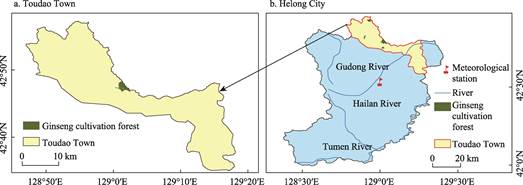
Figure 2 Geo-location map of the
case area
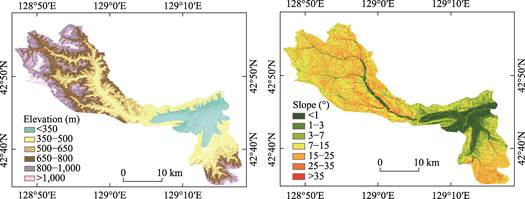
Figure 3 Elevation-classification, slope-classification maps of Toudao
Town
3.2.2 Climatic Conditions
The spatial variation and seasonal distribution of climatic factors
significantly influence the ecological suitability and distribution patterns of
ginseng[27–29]. Helong City is located in a mid-temperate monsoon
climate zone. Observations from the Helong Meteorological Station from 1962 to
2024 indicate a long-term mean annual precipitation of 549.68 mm. Although a
slight increasing trend of approximately 8.50 mm per decade has been observed,
this trend is not statistically significant (p > 0.05), indicating a
relatively stable annual precipitation pattern (Figure 4). Precipitation is
notably concentrated during the growing season, with 62.74% of annual rainfall
occurring from June to August (Figure 5). This period coincides mountainous
terrain, together with suitable slopes, effectively prevents soil waterlogging;
combined with dense forest canopy cover and a thick humus layer, it provides
forest-grown ginseng with a natural microclimatic environment characterized by
good drainage, aeration, and moisture retention.
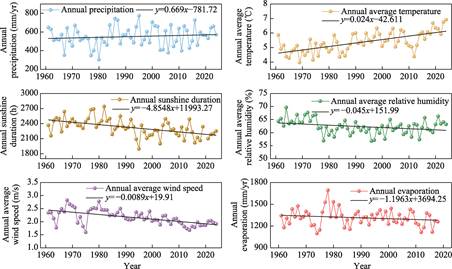
Figure 4 Statistical analysis chart of interannual
variations of meteorological elements in
Helong City (1962– 2024)
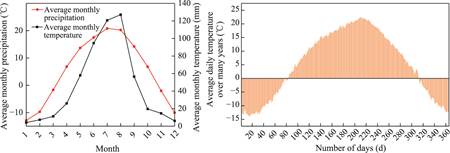
Figure 5 Statistical analysis chart of long-term
mean intra-annual variations of temperature and precipitation in Helong City
Temperature
is a crucial environmental factor influencing ginseng growth, dormancy, and the
accumulation of bioactive compounds[27,30,31]. Over the past 63
years, the average annual temperature has been 5.36 ℃,
showing a significant increasing trend (p < 0.01) at a rate of 0.26 ℃ per decade (Figure 4).
Winters are cold, with an average January temperature of −12.80 ℃, providing the necessary chilling conditions for
dormancy and winter survival. Summers are warm but moderate, with average
temperatures of 20.86 ℃ in July and 20.31 ℃ in August, aligning with ginseng’s
preference for avoiding excessive heat (Figure 4). Other climatic characteristics include an average annual sunshine
duration of 2,321.89 h, a mean relative humidity of 62.27%, an average wind
speed of 2.16 m/s, and pan evaporation (D20 type) of 1,316.45 mm[32]
(Figure 4). Overall, Helong exhibits a climate pattern of synchronized rainfall
and heat in the summer, cool summer temperatures, and severe winter cold,
providing favorable conditions for the growth and development of
ginseng.
3.2.3 Soil Conditions
The soil types in Toudao Town mainly include dark-brown forest soil,
white-gray forest soil, meadow soil, and alluvial paddy soil. Among these,
dark-brown forest soil is the most common in the forest-grown ginseng
cultivation areas in this case, followed by white-gray forest soil. Previous studies indicate that the average length of wild
ginseng main roots is typically less than 10 cm[33], while the root
zone can extend several to more than 10 cm[34]. Research on soil
nutrients, fertility, and root exudates in forest-grown ginseng areas generally
sampled soil to depths not exceeding 20 cm[34–36]. In accordance with
the Technical regulations of Panax ginseng cultivated forest-grown
production (DB22T 1730—2012)[37]
and national and local standards such as the Technical procedures for the third
national soil census[38] and the Specification of land quality
geochemical assessment (DZ/T 0295—2016)[39], soil sampling in forested areas is recommended at 0–20 cm. In this
study, a stratified auger sampling method was employed in the forest-grown
ginseng cultivation area, with samples collected from 2 depth layers (0–20 cm
and 20–40 cm). 12 sampling points were established (Figure 6), resulting in a
total of 24 soil samples to systematically assess the soil environmental
quality of the forest-grown ginseng habitat.
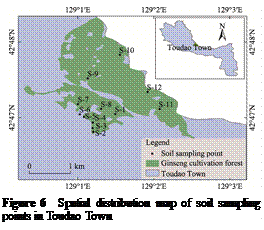 According to the Operation
rules of comprehensive protection and cultivation of wild ginseng (GB/T
22531—2015)[18], soils in ginseng cultivation areas should comply
with the Soil environmental quality risk control standard for soil
contamination of agricultural land (Trial) (GB 15618—2018)[40].
According to this standard, mandatory monitored elements for screening soil
pollution risks in agricultural land include cadmium (Cd), chromium (Cr),
mercury (Hg), nickel (Ni), lead (Pb), copper (Cu), zinc (Zn), and arsenic (As).
Analysis of the soil samples revealed that all measured pollution indicators
were below the screening limits for agricultural land (Table 2), indicating
that the soils in the case area are clean and safe, and can meet the basic
requirement of a pollution-free habitat for ginseng cultivation.
According to the Operation
rules of comprehensive protection and cultivation of wild ginseng (GB/T
22531—2015)[18], soils in ginseng cultivation areas should comply
with the Soil environmental quality risk control standard for soil
contamination of agricultural land (Trial) (GB 15618—2018)[40].
According to this standard, mandatory monitored elements for screening soil
pollution risks in agricultural land include cadmium (Cd), chromium (Cr),
mercury (Hg), nickel (Ni), lead (Pb), copper (Cu), zinc (Zn), and arsenic (As).
Analysis of the soil samples revealed that all measured pollution indicators
were below the screening limits for agricultural land (Table 2), indicating
that the soils in the case area are clean and safe, and can meet the basic
requirement of a pollution-free habitat for ginseng cultivation.
Ginseng
prefers slightly acidic soils, and analysis of 24 soil samples in the case area
(Figure 7a) showed an average pH of 5.31, ranging from 4.55 to 6.10, indicating
generally weakly acidic conditions suitable for ginseng growth. The topsoil
(0–20 cm) and subsoil (20–40 cm) had average pH of 5.23 and 5.39, respectively,
with minimal differences, suggesting stable acidity across soil layers. Soil
organic matter (SOM), crucial for root development and nutrient availability,
averaged 101.00 g/kg in the topsoil and 42.50 g/kg in the subsoil (Figure 7b),
consistent with the preferred structure for wild ginseng, where the upper layer
retains natural soil and the lower layer consists of loose, well-aerated sandy
loam[18]. This soil configuration provides adequate nutrients, good
aeration, and drainage, effectively supporting healthy ginseng root growth and
preventing waterlogging-induced root rot.
3.2.4 Water Conditions
According to the Operation rules of comprehensive protection and
cultivation of wild ginseng (GB/T 22531—2015)[18], the water quality
in wild ginseng growth areas should meet the
relevant requirements for agricultural irrigation water. In this study, surface
water (ponds) and groundwater (springs) in the forest-grown ginseng cultivation
area were systematically monitored (Figure 8) in accordance with the Standard
for irrigation water quality (GB 5084—2021)[41]. The monitored
parameters included physicochemical properties (pH, suspended solids, five-day
biochemical oxygen demand BOD5, chemical oxygen demand CODCr), common inorganic pollutants (anionic
surfactants, chloride, sulfide, total dissolved solids), and heavy metal risk
factors (total lead, total cadmium, hexavalent chromium, total mercury, total
arsenic), providing a comprehensive assessment of water quality.
The results indicated that
all measured indicators in both surface water and groundwater were within the
standard limits (Table 3). The pH ranged from 6.9 to 7.0, and suspended
Table 2 Statistical testing results of soil heavy
metal content in Toudao Town
|
Sampling
point
|
Soil
layer
depth (cm)
|
Test
item (mg/kg)
|
|
Cd
|
Cr
|
Hg
|
Ni
|
Pb
|
Cu
|
Zn
|
As
|
|
Limits[40]
|
≤0.3
|
≤150
|
≤1.3
|
≤60
|
≤70
|
≤50
|
≤200
|
≤40
|
|
S-1
|
0–20
|
0.06
|
52.00
|
0.07
|
16.00
|
34.10
|
17.00
|
99.00
|
6.32
|
|
20–40
|
0.04
|
59.00
|
0.04
|
19.00
|
33.90
|
14.00
|
86.00
|
6.04
|
|
S-2
|
0–20
|
0.09
|
56.00
|
0.04
|
20.00
|
30.60
|
15.00
|
106.00
|
5.86
|
|
20–40
|
0.06
|
57.00
|
0.04
|
19.00
|
30.20
|
15.00
|
95.00
|
5.43
|
|
S-3
|
0–20
|
0.25
|
48.00
|
0.09
|
20.00
|
35.50
|
19.00
|
136.00
|
5.35
|
|
20–40
|
0.12
|
56.00
|
0.04
|
22.00
|
32.60
|
16.00
|
137.00
|
5.33
|
|
S-4
|
0–20
|
0.20
|
38.00
|
0.09
|
20.00
|
35.80
|
18.00
|
112.00
|
5.34
|
|
20–40
|
0.11
|
53.00
|
0.06
|
29.00
|
33.80
|
24.00
|
121.00
|
6.82
|
|
S-5
|
0–20
|
0.16
|
36.00
|
0.08
|
17.00
|
38.30
|
17.00
|
100.00
|
4.95
|
|
20–40
|
0.14
|
57.00
|
0.05
|
20.00
|
33.60
|
20.00
|
106.00
|
4.66
|
|
S-6
|
0–20
|
0.08
|
54.00
|
0.11
|
17.00
|
34.90
|
11.00
|
92.00
|
8.34
|
|
20–40
|
0.05
|
65.00
|
0.06
|
16.00
|
37.20
|
12.00
|
100.00
|
9.09
|
|
S-7
|
0–20
|
0.05
|
41.00
|
0.04
|
14.00
|
27.80
|
9.00
|
92.00
|
4.11
|
|
20–40
|
0.04
|
45.00
|
0.04
|
13.00
|
30.40
|
8.00
|
93.00
|
3.67
|
|
S-8
|
0–20
|
0.07
|
53.00
|
0.07
|
16.00
|
37.20
|
17.00
|
119.00
|
8.47
|
|
20–40
|
0.06
|
61.00
|
0.06
|
18.00
|
33.70
|
16.00
|
112.00
|
7.17
|
|
S-9
|
0–20
|
0.08
|
25.00
|
0.07
|
10.00
|
30.30
|
10.00
|
73.00
|
4.11
|
|
20–40
|
0.02
|
49.00
|
0.03
|
12.00
|
24.70
|
6.00
|
54.00
|
3.48
|
|
S-10
|
0–20
|
0.07
|
57.00
|
0.06
|
19.00
|
26.60
|
13.00
|
95.00
|
7.56
|
|
20–40
|
0.05
|
68.00
|
0.05
|
20.00
|
29.90
|
15.00
|
106.00
|
9.13
|
|
S-11
|
0–20
|
0.10
|
31.00
|
0.07
|
10.00
|
30.90
|
10.00
|
76.00
|
3.65
|
|
20–40
|
0.08
|
32.00
|
0.06
|
10.00
|
29.50
|
10.00
|
83.00
|
3.94
|
|
S-12
|
0–20
|
0.06
|
66.00
|
0.07
|
25.00
|
27.40
|
19.00
|
115.00
|
7.17
|
|
20–40
|
0.05
|
70.00
|
0.07
|
22.00
|
28.50
|
19.00
|
106.00
|
7.42
|
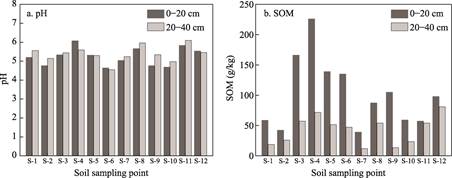
Figure 7 Soil pH and soil organic
matter (SOM) content at different sampling points and depths
solids, BOD5, and CODCr₎ were well below the allowable thresholds. Chloride and total
dissolved solids were at low levels, while sulfide and anionic surfactants were
undetected. Heavy metals (Pb, Cd, Cr, Hg, and As) were also not detected,
indicating no significant industrial or agricultural non-point source
pollution. Overall, the surface and groundwater in the case area are of high
quality, meeting and exceeding the requirements of GB 5084—2021[41],
providing a favorable water environment for wild ginseng growth.
3.2.5 Land Use and
Vegetation Conditions
Ginseng is a semi-shade
plant that is sensitive to direct sunlight[13,27]. Broadleaf
forested
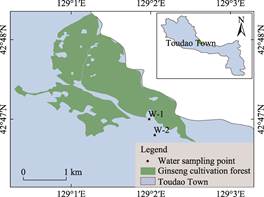
Figure
8 Distribution map of groundwater (W-1) and
surface water (W-2) sampling points in Toudao Town
Table 3 Statistical testing results of main
irrigation water quality in Toudao Town
|
Test
item
|
units
|
Limits[41]
|
Surface
water
|
Ground
water
|
|
pH
|
–
|
5.5–8.5
|
7.0
|
6.9
|
|
Suspended
solids
|
mg/L
|
≤100
|
11
|
15
|
|
Five-day
biochemical oxygen demand (BOD5)
|
mg/L
|
≤100
|
10.8
|
11.5
|
|
Chemical
oxygen demand (CODcr)
|
mg/L
|
≤200
|
27
|
29
|
|
Anionic
surfactants
|
mg/L
|
≤8
|
ND
|
ND
|
|
Chloride
(Cl⁻)
|
mg/L
|
≤350
|
26.30
|
29.2
|
|
Sulfide
(S2⁻)
|
mg/L
|
≤1
|
ND
|
ND
|
|
Total
dissolved solids
|
mg/L
|
≤1,000
|
278
|
315
|
|
Total
lead
|
mg/L
|
≤0.2
|
ND
|
ND
|
|
Total
cadmium
|
mg/L
|
≤0.01
|
ND
|
ND
|
|
Hexavalent
chromium (Cr6+)
|
mg/L
|
≤0.1
|
ND
|
ND
|
|
Total
mercury
|
mg/L
|
≤0.001
|
ND
|
ND
|
|
Total
arsenic
|
mg/L
|
≤0.1
|
ND
|
ND
|
Note: ND indicates not detected; – indicates
no corresponding data.
areas, due to better canopy shading, provide more favorable
conditions for ginseng growth than coniferous forests[42]. Analysis
for the 10-m resolution Sentinel-1 and Sentinel-2 satellite imagery of Helong City indicates that the main land use types in the region
include forest, shrubland, farmland, grassland, wetland, water bodies, and built-up
land (Figure 9). In Toudao Town, the main land use type is forest, plus, the
specific proportions are as follows: forest 59.93%, shrubland 13.00%, farmland
23.18%, grassland 1.23%, wetland 0.33%, built-up land 2.05%, and water bodies
0.28%. Results derived from Sentinel-2 indicate that the average Normalized
Difference Vegetation Index in the case area is 0.31. According to the 2024
survey of understory ginseng plantations in Helong City, the canopy closure in
ginseng distribution plots is mostly between 0.6 and 0.8, thus meeting its
requirement for low-light (shade) habitat conditions. The
main tree species include oak, linden, birch, elm, maple, poplar, walnut, and
other broadleaf species, as well as associated coniferous species such as larch
and spruce, with detailed proportions shown in Figure 10, Table 4. The
surrounding vegetation of ginseng can be classified into 3 layers: tree, shrub,
and herbaceous, which contribute to climate regulation and ecological
adaptation. Studies indicate that in the sampled plots, the average heights are
15.62 m for the tree layer, 5.46 m for the sub-tree layer, 1.25 m for the shrub
layer, and 0.62 m for the herb layer[43], meeting the natural
barrier requirements specified in the Operation rules of comprehensive
protection and cultivation of wild ginseng (GB/T 22531—2015)[18]. In
addition, the area is rich in plant diversity, containing 194 taxa in total,
including 178 species from 58 families and 131 genera, 6 subspecies, 9
varieties, and 1 form[43].
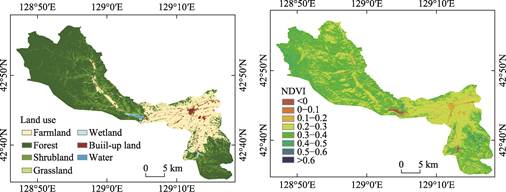
Figure 9 Land use and NDVI maps in Toudao Town
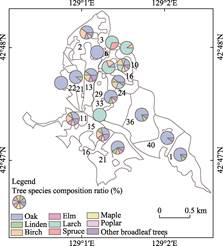
Figure 10 Statistical chart of the major tree
species and their composition ratios in each
sub-compartment of forest land planted with ginseng
3.3 Product Quality Data
According to the Jilin ginseng industry regulations[44],
ginseng-related producers and operators are required to conduct quality and
safety testing of their products (Article 31); products sold under the name
“wild ginseng” must comply with the standards specified in Identification and grade quality standards of wild ginseng
(GB/T 18765—2015) (Article 34)[17]. In this study, following
this standard, samples of dried wild ginseng were collected from the understory
ginseng plantations in Dayang Gorge, Toudao Town, Helong City. The samples were systematically analyzed for the
main physicochemical indicators (total saponins, ginsenoside Rb1, Re+Rg₁, total ash, acid-insoluble ash, moisture) and safety indicators
(residues of organochlorine and organophosphorus pesticides, and harmful elements).
All analyses were conducted by the National Ginseng Products Quality Inspection
Testing Center, aiming to comprehensively evaluate the quality traits,
medicinal value, and consumption safety of wild ginseng in the study area
through quantitative data.
Table
4 Tree species composition and ratio of
forest land planted with ginseng
|
No.
|
Oak
|
Linden
|
Birch
|
Elm
|
Larch
|
Spruce
|
Maple
|
Poplar
|
Other broadleaf trees
|
|
1
|
90%
|
–
|
–
|
–
|
–
|
–
|
–
|
–
|
10%
|
|
2
|
80%
|
10%
|
–
|
–
|
–
|
–
|
–
|
–
|
10%
|
|
3
|
70%
|
10%
|
10%
|
–
|
–
|
–
|
–
|
–
|
10%
|
|
4
|
–
|
–
|
–
|
–
|
100%
|
–
|
–
|
–
|
–
|
|
5
|
40%
|
10%
|
20%
|
10%
|
–
|
–
|
–
|
–
|
20%
|
|
6
|
90%
|
10%
|
–
|
–
|
–
|
–
|
–
|
–
|
–
|
|
7
|
100%
|
–
|
–
|
–
|
–
|
–
|
–
|
–
|
–
|
|
8
|
40%
|
10%
|
20%
|
–
|
20%
|
–
|
–
|
–
|
10%
|
|
9
|
40%
|
–
|
30%
|
10%
|
10%
|
–
|
–
|
–
|
10%
|
|
10
|
–
|
–
|
–
|
–
|
70%
|
30%
|
–
|
–
|
–
|
|
11
|
–
|
–
|
10%
|
–
|
90%
|
–
|
–
|
–
|
–
|
|
12
|
100%
|
–
|
–
|
–
|
–
|
–
|
–
|
–
|
–
|
|
13
|
20%
|
10%
|
20%
|
–
|
20%
|
–
|
10%
|
10%
|
10%
|
|
14
|
10%
|
|
20%
|
–
|
70%
|
–
|
–
|
–
|
–
|
|
15
|
30%
|
10%
|
20%
|
10%
|
–
|
–
|
–
|
10%
|
20%
|
|
16
|
30%
|
10%
|
20%
|
10%
|
–
|
–
|
–
|
10%
|
20%
|
|
17
|
–
|
–
|
–
|
–
|
–
|
–
|
–
|
–
|
–
|
|
18
|
60%
|
10%
|
10%
|
10%
|
–
|
–
|
–
|
–
|
10%
|
|
19
|
80%
|
10%
|
–
|
–
|
–
|
–
|
–
|
–
|
10%
|
Note: – indicates
no corresponding data.
3.3.1 Sensory Quality
The
wild ginseng produced in the case area exhibits all five shapes—rhizome (lu), adventitious
roots (deng), grains (wen), body (ti), and fibrous roots (xu)—showcasing
displaying diverse shapes and remarkable vitality. The grains are deeply
textured and the bark is mature, while the nodes in the shape of bowls are
uniform and densely packed. For wild ginseng aged over 20 years, the rate of
high-grade classification (special grade, first grade, and second grade) can
reach approximately 50%.
3.3.2 Physicochemical Quality
The test results (Table 5) show
that the total ginsenoside content of the dried wild ginseng samples in this
study is 5.34. Specifically, the ginsenoside Rb1 content was 1.77%,
while the combined Re+Rg1 content was 1.16%, all exceed
the requirements specified in the national standard Identification and grade
quality standards of wild ginseng (GB/T 18765—2015)[17]. Meanwhile, according
to the Pharmacopoeia of China: 2020 Edition[2], the Rb1
content in ginseng medicinal material must not be below 0.18%, and the combined
Re+Rg1 content must not be below 0.27% (Table 6). The
values measured in this study are well above these thresholds, confirming that
the samples meet the required medicinal quality standards. Further comparison
with 10 national standards, including the Product of geographical indication-Jilin
Changbaishan ginseng (GB/T 19506—2009)[45], and 12 group standards
such as Wild ginseng (T/THRS 11—2021)[46], shows that the key
ginsenoside contents of these samples are at superior levels (Table 6), indicating
high accumulation of active compounds and excellent overall quality.
Table 5 Statistical testing result of major physicochemical
properties of dried wild ginseng
|
Test item
|
Limits[17,45]
|
Test results
|
Testing methods
|
|
Total ginsenosides in ginseng (%)
|
≥4.40
|
5.34
|
GB/T 18765—2015[17]
|
|
Ginsenoside Rb₁ (%)
|
≥0.40
|
1.77
|
GB/T 18765—2015[17]
|
|
Ginsenosides Re + Rg₁ (%)
|
≥0.60
|
1.16
|
GB/T 18765—2015[17]
|
|
Total ash (%)
|
≤5.00
|
4.16
|
GB/T 18765—2015 5.4.2[17]
|
|
Acid-insoluble ash (%)
|
≤1.00
|
0.02
|
GB/T 18765—2015 5.4.2[17]
|
|
Moisture content (%)
|
≤12.00
|
10.6
|
GB 5009.3—2016 Method I[49]
|
Table 6 Comparison of ginsenoside content across different
technical standards
Unit: %
|
Technical standards
|
Items
|
Ginsenoside Rb₁
|
Ginsenosides (Re+Rg1)
|
Total ginsenosides
|
|
National
standard
|
Product of geographical
indication-Jilin Changbaishan
ginseng[45]
|
Dried wild ginseng
|
≥0.60
|
≥0.40
|
≥4.40
|
|
Identification and grade quality
of transplanted ginseng[50]
|
Dried transplanted ginseng
|
≥0.30
|
≥0.40
|
≥3.50
|
|
Grade quality of cultivated
ginseng[51]
|
Cultivated ginseng
|
≥0.20
|
≥0.30
|
≥2.50
|
|
Grade quality of red ginseng[48]
|
Red ginseng
|
≥0.20
|
≥0.25
|
≥2.00
|
|
Grade quality of dried ginseng[47]
|
Dried ginseng
|
≥0.20
|
≥0.30
|
≥2.50
|
|
Grade quality of
boiled ginseng[52]
|
Boiled ginseng
|
≥0.20
|
≥0.25
|
≥2.00
|
|
Grade quality of lyophilized
ginseng[53]
|
Lyophilized ginseng
|
≥0.20
|
≥0.25
|
≥2.00
|
|
Grade quality of fresh-keeping
ginseng[54]
|
Fresh-keeping ginseng
|
≥0.20
|
≥0.25
|
≥2.50
|
|
Grade quality of sugar ginseng[55]
|
Sugar ginseng
|
≥0.10
|
≥0.15
|
≥0.50
|
|
Grade quality of honeyed
ginseng[56]
|
Honeyed ginseng
|
/
|
/
|
≥0.80
|
|
Pharmacopoeia of China
|
Pharmacopoeia of China: 2020 Edition[2]
|
Ginseng slices
|
≥0.18
|
≥0.27
|
/
|
|
Group standard
|
Wild ginseng[46]
|
Wild ginseng root and
rhizome/ ginseng powder
|
≥0.40
|
≥0.60
|
≥4.40
|
|
Wild ginseng slices
|
≥0.28
|
≥0.42
|
≥3.08
|
|
Transplanted ginseng[57]
|
Transplanted ginseng root
and rhizome/ ginseng powder
|
≥0.30
|
≥0.40
|
≥3.50
|
|
Transplanted ginseng slices
|
≥0.21
|
≥0.28
|
≥2.45
|
|
Cultivated ginseng[58]
|
Cultivated ginseng
|
≥0.20
|
≥0.30
|
≥2.50
|
|
Red ginseng[59]
|
Red ginseng root
and rhizome/ ginseng powder
|
≥0.20
|
≥0.25
|
≥2.50
|
|
Red ginseng slices
|
≥0.14
|
≥0.18
|
≥1.80
|
|
Dried ginseng[60]
|
Dried ginseng root
and rhizome/ ginseng powder
|
≥0.20
|
≥0.30
|
≥2.50
|
|
Dried ginseng slices
|
≥0.14
|
≥0.21
|
≥1.8
|
|
Boiled ginseng[61]
|
Boiled ginseng
|
≥0.20
|
≥0.25
|
≥2.00
|
|
Lyophilized ginseng[62]
|
Lyophilized ginseng
|
≥0.20
|
≥0.25
|
≥2.00
|
|
Fresh-keeping ginseng[63]
|
Fresh-keeping ginseng
|
≥0.20
|
≥0.25
|
≥2.50
|
|
Sugar ginseng[64]
|
Sugar ginseng
|
≥0.10
|
≥0.15
|
≥0.50
|
|
Honeyed ginseng[65]
|
Honeyed ginseng
|
/
|
/
|
≥0.80
|
|
Geographical indication product-
Kuandian mountain ginseng[66]
|
product-Kuandian
Mountain Ginseng
|
≥0.40
|
≥0.60
|
≥4.40
|
|
Edible ginseng powder[67]
|
Dried ginseng powder
|
/
|
/
|
≥2.00
|
|
Red ginseng powder
|
/
|
/
|
≥1.60
|
|
|
This study
|
Dried wild ginseng
|
1.77
|
1.16
|
5.34
|
Note: / indicates no corresponding standard limit.
The total ash content of the samples was 4.16%, and acid-insoluble
ash was 0.02%, both below the national limits, indicating low inorganic
impurities and high purity. The moisture content was 10.6%. Since the Identification
and grade quality standards of wild ginseng (GB/T 18765—2015)[17]
only specifies physicochemical indicators for wild ginseng powder and slices,
without addressing dried wild ginseng, and considering the variation in
moisture content, reference was made to the standards for dried wild ginseng in
the Product of geographical indication-Jilin Changbaishan ginseng[45],
Grade quality of dried ginsen[47], and Grade quality of red ginseng[48]
(all requiring moisture content ≤12.00%). Based on these criteria, the samples can also be considered
compliant. This indicates that the processing and storage conditions were
properly controlled, ensuring stable quality and enhancing suitability for
long-term preservation and further medicinal processing.
3.3.3 Hygienic and Safety Quality
The hygienic indicators included residues of organochlorine
pesticides (HCH, DDT, pentachloronitrobenzene, heptachlor, aldrin + dieldrin,
and cypermethrin), organopho- sphorus pesticides (malathion, parathion, monocrotophos,
dimethoate, methamidophos, carbofuran, and chlorpyrifos), and toxic elements
(Pb, Cd, As, Hg, and Cu). The test results showed that residues of both
organochlorine and organophosphorus pesticides were not detected. Levels of Pb,
Cd, As, and Cu were far below national limits, and Hg was undetectable. These
results indicate that the wild ginseng was not subjected to pesticide or heavy
metal contamination during its growth, demonstrating the characteristics of a
green and naturally derived medicinal material, and confirming its safety and
reliability (Table 7).
Table 7 Statistical
testing result of hygiene indicator
analysis for dried wild ginseng Unit: mg/kg
|
Test item
|
Limits[45]
|
Test result
|
Test method
|
|
Pb
|
≤0.50
|
0.19
|
GB
5009.12—2023 Method II[68]
|
|
Cd
|
≤0.50
|
0.086
|
GB
5009.15—2023 Method II[69]
|
|
As
|
≤2.00
|
0.026
|
GB
5009.11—2024 Part I, Method I[70]
|
|
Hg
|
≤0.10
|
ND
|
GB
5009.17—2021 Part I, Method I[71]
|
|
Cu
|
≤20.0
|
5.70
|
GB
5009.13—2017 Method III[72]
|
Note: ND indicates not detected.
4.1 Government Guidance and Policy Support
Jilin Province, as one of
China’s primary ginseng-producing regions, has consistently emphasized the
protection of ginseng resources and the development of the industry under national
strategic guidance and local policy support. Over time, this has led to the
establishment of a relatively comprehensive institutional framework. In 2022, 6
national ministries jointly issued the Opinions on supporting the high-quality development
of Jilin’s ginseng industry, providing clear directions and policy support for
cultivation model improvement, germplasm conservation, and industrial structure optimization. On the
provincial level, Jilin introduced the Jilin ginseng administration measures in
2010, which was later upgraded in 2015 to the Regulations on the ginseng industry
of Jilin Province, and followed by a series of normative documents including
the 13th and 14th Five-Year Plans and various implementation opinions issued
between 2016 and 2024, all aimed at strengthening resource protection,
industrial regulation, and brand building. Under this provincial guidance,
Helong City leveraged local resources and industry characteristics, and issued
the Management measures for the protection of wild ginseng cultivation systems
in 2019, incorporating wild ginseng cultivation into a legalized and
institutionalized framework. Through the establishment of protective
mechanisms, policy support, and standardized management, these measures lay a
solid foundation for the scientific conservation and sustainable use of wild
ginseng.
4.2 Leading Enterprises and
Industrial Coordination
Yanbian Dayang Ginseng Industry Co., Ltd.
originated from a state-owned ginseng farm established in the late 1950s and
was restructured into a corporate entity in 1997. It is the earliest enterprise
in Yanbian Prefecture engaged in forest-grown medicinal herb production,
pioneering large-scale cultivation of ginseng under natural forest conditions.
As a leading enterprise in Helong City, the company leverages the superior
ecological environment of Dayang Gorge, Toudao Town, and has gradually
developed an industrial system centered on forest-grown ginseng. The
forest-grown ginseng stock totals approximately ten million plants, of which 5
million are over 15 years old. Annual harvesting exceeds 30,000 plants,
generating annual sales revenue of over 35 million CNY. Relying on the natural
forest ecosystem, the forest-grown cultivation model avoids fertilization and
pesticide use, ensuring ginseng grows naturally for over 15 years and thereby
retaining the medicinal value characteristic of wild ginseng. The company’s
products primarily include fresh wild ginseng, dried wild ginseng, wild ginseng
powder, and slices, while also developing value-added products such as ginseng
flower honey, and ginseng honey slices. The cultivation base has established
the “Jilin Helong Forest-Grown Ginseng and Ganoderma Cultivation System”, which
was recognized as part of the sixth batch of China’s Important Agricultural
Heritage Systems in 2021. It has also been designated as National Agricultural
Comprehensive Standardization Demonstration Zone, a Jilin Province Wild Ginseng
Conservation Demonstration Base, and the National Wild Ginseng Base of Dayang
Gorge, Helong City. Practical experience demonstrates that leading enterprises
play a critical role in technology diffusion, risk sharing, and market
expansion. Their active participation not only drives the advancement of the
forest-grown ginseng industry but also provides a model for the sustainable
transformation of regional ecological industries.
4.3 Ecological Environment
Traceability for Ginseng
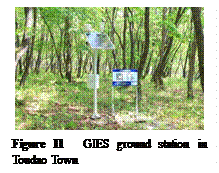 To strengthen
habitat monitoring for forest-grown ginseng, GIES ground station has been
installed in the core distribution areas of forest-grown ginseng (Figure 11),
recording real-time environmental conditions of the cultivation bases. The
monitored parameters include key indicators such as air temperature,
precipitation, wind speed, wind direction, atmospheric pressure, humidity, soil
temperature, soil moisture, soil electrical conductivity, negative oxygen ions,
light intensity, and phenology. Furthermore, both government and enterprises
have introduced meteorological monitoring, UAV patrols, and IoT sensing
technologies to establish a multi-source, data-driven habitat traceability
system, enhancing the transparency, market credibility, and added value of
ecological ginseng products.
To strengthen
habitat monitoring for forest-grown ginseng, GIES ground station has been
installed in the core distribution areas of forest-grown ginseng (Figure 11),
recording real-time environmental conditions of the cultivation bases. The
monitored parameters include key indicators such as air temperature,
precipitation, wind speed, wind direction, atmospheric pressure, humidity, soil
temperature, soil moisture, soil electrical conductivity, negative oxygen ions,
light intensity, and phenology. Furthermore, both government and enterprises
have introduced meteorological monitoring, UAV patrols, and IoT sensing
technologies to establish a multi-source, data-driven habitat traceability
system, enhancing the transparency, market credibility, and added value of
ecological ginseng products.
5.1 Socioeconomic Development
By
the end of 2024, the total population of Helong City was approximately 147,300,
showing a declining trend over the past decade (Figure 12a). The city is home
to 11 ethnic groups, including Korean, Han, Manchu, Mongol, Hui, and Zhuang,
with Koreans accounting for about 50% of the total population, Han about 48%,
and other ethnic groups about 2%. In recent years, the regional gross domestic
product (GDP) has shown an increasing trend, reaching 4.371 billion CNY in 2024
(Figure 12b). Toudao Town administers 2 communities, 16 administrative
villages, and 136 villager groups, with a total of 9,661 households and a
population of 25,200[25]. In recent years, under the guidance of
rural revitalization and green development strategies, Helong City has formed
an economic development pattern supported by ecological agriculture, border
trade, and cultural tourism. The forest-grown ginseng
industry, as an important ecological sector, not only enhances the efficiency
of forest resource utilization but also serves as a significant driver of
regional economic growth.
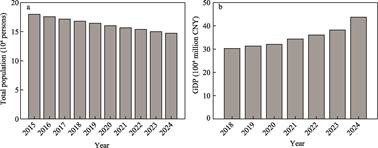
Figure 12 Registered population and
GDP of Helong City
5.2
Historical Evolution of Ginseng Cultivation
The
history of ginseng collection in Helong City can be traced back to 742 AD
during the Bohai Kingdom period. At that time, Helong hosted Zhongjing Xiande
Prefecture, one of the political and economic centers of the Bohai Kingdom.
According to the Old Book of Tang-Bohai Biography, the Bohai Kingdom
contributed high-quality wild ginseng from the Changbai Mt. to the Tang
Dynasty, and in local barter trade.
In the early Qing Dynasty, the “Eight Banner Mountain Allocation System”
was implemented, under which ginseng mountains were designated for harvesting
by the Eight Banners. Ying’e
Ridge, as part of the Plain Yellow Banner territory, thus became a core area
for imperial ginseng tribute since the early Qing. In 1677 (the 16th year of
Emperor Kangxi), the Qing government designated the Changbai Mt., including the
entirety of Helong, as a restricted zone, strictly prohibiting private
harvesting[26]. In the mid- to late Qing period, overharvesting and
illegal collection brought wild ginseng to the brink of exhaustion, prompting
secret experiments in transplantation and forest-grown sowing[73]. In
1881, the Qing government legalized seedling cultivation (artificial
cultivation) and established ginseng management offices. By the late Qing,
state-run ginseng enterprises declined, while private cultivation became the
foundation for the modern industry[15,74]. After the founding of P.
R. China, in 1954, agricultural cooperatives pioneered ginseng cultivation,
followed by state farms in 1959, though many efforts failed due to poor
management. Subsequent government funding and technological improvements
increased production. During the 1980s, the contractual system transformed operations:
state farms continued, while many collective farms became private, resulting in
a decrease in ginseng planting area[26,75–77].
In 1999, Dayang Ginseng Industry integrated state-owned resources, gradually
modernizing the forest-grown ginseng industry chain. Key milestones include the
inclusion of forest-grown ginseng in the Pharmacopoeia of China (2005) and its
classification as wild ginseng under national standard Identification and grading
quality of wild ginseng (GB/T 18765—2008). The 2015 revision (GB/T 18765—2015)
mandated that wild ginseng must grow naturally for at least 15 years, shifting
the industry to standardized development[28]. The
forest-grown cultivation system involves direct sowing of ginseng seeds in
suitable forest environments, without fertilizers or pesticides, representing
an effective approach to pollution-free ginseng production. Through a
historical trajectory from wild harvesting and technical exploration to
large-scale production, Helong City has developed an industry system centered
on simulated wild cultivation techniques. Its recognition as a national
agricultural cultural heritage site exemplifies the synergy between ecological
conservation and economic development.
5.3 Ethnic Culture and the Heritage
of Ginseng Culture
Helong has long been home to Jurchen
(Manchu), Han, and Korean communities, where ethnic traditions and ginseng
culture have been deeply intertwined and continuously evolved through
generations. Ginseng is not only an important medicinal and economic resource
but also embodies health aspirations, social rituals, and spiritual symbolism,
earning it the title “King of Herbs”. Local communities continue mysterious
ginseng-harvesting traditions that incorporate ecological ethics such as
“harvest large, leave small” and “nurture the mountains, protect the forest”,
along with traditional techniques like “timing the harvest by observing the
mountains” and “arranging combs and sticks”, forming a distinctive ginseng cultural
system. Based on generations of accumulated experience, biomimetic cultivation
techniques such as shaded forest cultivation and humus soil management have
been developed, promoting the scientific development of the forest-grown
ginseng industry. With the scale-up of the industry, related skills and
cultural practices are systematically preserved through intangible cultural
heritage programs, festivals, and integration with cultural tourism, creating a
sustainable development model of “forest cultivation with ginseng”.
6 Discussion and Conclusion
As
an integral part of the temperate mountain ecological barrier of the Changbai
Mt., Helong City, with its unique geography, climate, and soil conditions,
provides an ideal environment for forest-grown ginseng cultivation. Studies
indicate that in the case area, the synchrony of rainfall and temperature,
coupled with cool summers, severe winters, and the combination of suitable
soil, vegetation conditions, and high-quality water resources, jointly create
an optimal ecological niche for forest-grown ginseng growth. Wild ginseng from
this area demonstrates distinct quality advantages in terms of physicochemical
composition and hygienic safety standards.
The forest-grown
ginseng cultivation model not only aligns with ecological protection and green
development objectives but also achieves dual benefits in resource conservation
and industrial efficiency. Collaborative development between government and
leading enterprises has promoted the standardization and scaling of the
industry, further ensuring ecosystem stability and economic sustainability.
However, the uncertainties posed by climate warming remain one of the major
challenges facing the ginseng industry. Future strategies should focus on
deepening integration of production, research, and education, extending the
industrial chain, enhancing the competitiveness of high-value-added products,
and improving policy support and ecological compensation mechanisms. At the
same time, strengthening policy support systems and ecological compensation
mechanisms, as well as promoting cooperative development between enterprises
and cooperatives, will help build a comprehensive green industrial system. Moreover,
leveraging ginseng products and their cultural significance, in combination
with modern technology and tourism, can foster a multi-dimensional “ecology+culture+industry”
development model, thereby com- prehensively enhancing regional competitiveness
and advancing ecological civilization.
Author
Contributions
Wang, H., designed the overall framework of this case
study. Wang, H., Yin, H. Y., Chen, P., Wang, T. T., and Ding, Y. L.
participated in the field investigations, including soil and water sampling. Jin,
R. G., Xu, Y. H., Yin, H. Y., Cui, B., Guan, H. Y., Huang, Y., Yu, J. M., Zhang,
Z. Y., Zhu, S. N., Li, H. R., Wang, T. R., and Chen, P. provided regional or
enterprise-related data and other forms of support. Wang, H., Hu W., Wang, H.
J., Wang, D., Ma, Y. Y. and Cui, H. contributed to data analysis and manuscript
preparation.
Acknowledgments
The authors sincerely thank Professors Liu, C., Wang, Z.
B., and Song, X. F. from the Institute of Geographic Sciences and Natural
Resources Research, Chinese Academy of Sciences, for their valuable guidance
and support during data collection and manuscript preparation. The authors also
express their sincere gratitude to all relevant departments of Helong City and
Yanbian Dayang Ginseng Industry Co., Ltd. for their strong support and
cooperation throughout this study.
Conflicts
of Interest
The authors declare no conflicts of interest.
References
[1] Li, S. Z. Compendium of Materia Medica [M]. Beijing: Chemical Industry
Press, 2022.
[2] Chinese
Pharmacopoeia Commission. Pharmacopoeia of China: 2020 Edition [M]. Beijing:
China Medical Science and Technology Press, 2020.
[3] Zhang, H. Study on bioactive ingredients of
Panax ginseng C. A. Meyer for protein, amino acids, organic acids and
nucleosides [D]. Changchun: Jilin University, 2016.
[4] Cai, Y. Y. Study on the mechanism of inhibition
of neuroinflammation by ginsenoside components from Panax ginseng under
forest based on the gut-brain axis [D]. Changchun: Changchun University of
Chinese Medicine, 2024.
[5] Hao, D. C., Gu, X. J., Xiao, P. G. Phytochemical and biological research of Panax medicinal
resources [J]. Medicinal Plants, 2015, 641–670.
[6] Li, H. J. Studies on the chemical constituents of Panax ginseng C. A. Meyer cv. Silvatica and pharmacology and pharmacokinetics of Rh2 in SD rats [D]. Changchun: Jilin University, 2012.
[7] Zhong, F. L. Studies on the chemical
constituents and bioactivities of Panax ginseng C. A. Meyer cv. Silvatica [D]. Changchun: Jilin University,
2008.
[8] Li, F. T. Fundamental
substance and effect mechanism of total ginsenosides of wild ginseng on
tonifying vital energy through “ intestinal-immune”
axis [D]. Changchun: Changchun University of Chinese Medicine, 2024.
[9] Feng, S. Q., Luo, T., Liu, L. X., et al.
Research progress on anti-oxidative stress effect
and mechanisms of ginsenosides [J]. Modern Chinese Medicine Research
and Practice, 2025, 39(4): 82–87.
[10] Lv, Y. B. The anti-fatigue effect and its mechanism of wild ginseng superfine
powder [D]. Changchun: Jilin University,
2023.
[11] Zhao, J. H. Study on the characteristics of
ginseng essential oil composition in Changbai Mountain region and its
differential effects on delaying skin photoaging [D]. Yanbian: Yanbian University, 2024.
[12] Ye, K., Huang, J., Zhu, Z. S. Wild ginseng powder in the treatment of reduced ejection fraction
heart failure: a clinical study [C]. Life Care and Wisdom Health Care Series
Academic Seminar, 2025.
[13] Yu, H. Y. Zhang, L. Research progress in
light environment of Panax ginseng growth [J]. Ecology and
Environment, 2006, 15(5): 1101–1105.
[14] Shen, L., Xu, J., Dong, L. L., et al.
Cropping system and research strategies in Panax ginseng [J]. China
Journal of Chinese Materia Medica, 2015, 40(17): 3367–3373.
[15] Ji, R. F., Cai, J. L., Cheng, M., et al.
The spatio-temporal distribution of ginseng in ancient China and the current
distribution status of wild ginseng resources in modern times [J]. Asia-Pacific
Traditional Medicine, 2024, 20(7): 203–209.
[16] Jilin Provincial Department of Agriculture and Rural
Affairs. Jilin Changbai Mountain ginseng industryhigh-quality development plan (2025–2030) [Z].
2025. https://www.baidu.com/link?url=DyL51EifK17AVg6S_J_D2iqNhu_CSHfFf3tUhtL2jj1FT1-VlvKd_2Fd-RO4C79y-zx8xdl_ryKr2v9ju5gHB9QRqL-wqjIgLKihDlY--9i&wd=&eqid=f5fb8f9f0009a8c0000000066a2fc9bc.
[17] General Administration of Quality
Supervision, Inspection and Quarantine of P. R. China, National Standardization
Administration. Identification and grade quality standards of wild ginseng
(GB/T 18765—2015) [S]. Beijing: Standards Press of China, 2015.
[18] China Ginseng Products Standardization
Technical Committee. Operation rules of comprehensive protection and
cultivation of wild ginseng (GB/T 22531—2015) [S]. Beijing: Standards Press of
China, 2015.
[19] Zhang, G. M., Zhang, H. M., Huang, Q., et
al. Study on the correlation between external traits and growth years of
under-forest ginseng [J]. Chinese Traditional Patent Medicine, 2024,
46(2): 684–688.
[20] Xu, Y. P., Xu, X. Z., Kong, L. H., et al.
Correlation analysis of main agronomic traits, soil nutrients and nutritional
components of under-forest ginseng at different growth ages [J]. Jiangsu
Agricultural Science, 2025, 53(13): 223–232.
[21] Zhou, X. T. Transcriptional regulatory of
ginsenosides synthesis in cultivated ginseng (Panax ginseng C. A. Meyer)
of different growth years [D]. Changchun: Northeast Normal University, 2023.
[22] Yu, J. F., Li, Y. P., He, W., et al.
Study on the variation of the ratio of eight main ginsenosides to ginsenoside
Rg1 in ginseng from Jilin of different growth years [J]. China Pharmacy,
2019, 30(1): 31–35.
[23] Wang, H., Jin, R., Hu,
W., et al. GIES case dataset on Helong Toudao wild and forest-grown ginseng temperate
mixed coniferous and broad-leaved forest [J/DB/OL]. Digital Journal of Global Change Data Repository, 2026. https://doi.org/10.3974/geodb.2026.03.04.V1.
[24] GCdataPR Editorial Office. GCdataPR data
sharing policy [OL]. https://doi.org/10.3974/dp.policy.2014.05 (Updated 2017).
[25] Helong Municipal People’s Government. Helong Yearbook (2023) [M]. 2024.
[26] Helong County Local Chronicles Compilation
Committee. Helong County Chronicle [M]. Changchun: Jilin Literature and History
Publishing House, 1992.
[27] Bi, B. J. A study of the climatical ecology
and the selection of the suitable land for the cultivation of Panax ginseng
[J]. Journal of Plant Ecology and Phytogeography, 1985, 9(2): 92–100.
[28] Jin, H.,
Zhou, J. W. Study on artificial cultivation of under-forest ginseng [J]. Ginseng
Research, 2007(4): 2–5.
[29] Chen, Y. R., Han, M., Cheng, L., et al.
Correlation between ginsenoside content and ecological factors in Panax
ginseng [J]. Chinese Herbal Medicines, 2023, 54(8): 2588–2595.
[30] Zhu, H. T., Li, J., Li, Y., et al.
Research advances in suspension culture and secondary metabolism regulation of Panax spp. [J]. Journal of
West China Forestry Science, 2011, 40(1): 87–96.
[31] Ma, S. Q., Liang, H. H., A study on the
climatic-ecological resources suitability of the Panax ginseng culture
and its geographic distribution in the Changbai Mountains area [J]. Journal
of Natural Resources, 1991(1): 63–70.
[32] Wang, H., Sun, F. B., Liu, F., et al.
Reconstruction of the pan evaporation based on meteorological factors with
machine learning method over China [J]. Agricultural Water Management,
2023, 287: 108416.
[33] Liu, W. W., Liu, M. C., Li, W. H., et al.
Plant diversity and carbon storage characteristics of the larch-ginseng
agroforestry system [J]. Scientia Silvae Sinicae, 2016, 52(9): 124–132.
[34] Zhang, Y. Y. Studies
on root-zone soil fertility characteristics in different growth environments of
Ginseng [D]. Shenyang:
Shenyang Agricultural University, 2016.
[35] Sun, Y. Investigation on the interaction
between ginsenosides of ginseng root exudates and root rust pathogens
Ilyonectria spp. [D]. Shenyang: Shenyang Agricultural University, 2024.
[36] Zhang, M. Studies on the molecular ecological mechanism of the morphogenesis
of taproot and rhizome in Panax ginseng [D]. Changchun: Jilin
Agricultural University, 2024.
[37] Jilin Provincial Bureau of Quality and
Technical Supervision. Technical regulations of Panax ginseng cultivated
under forest production (DB22T 1730—2012) [S]. 2012.
[38] Office of the State Council’s Third National Soil Census Leading Group.
Technical procedures for the third national soil
census (Revised) [S]. 2022.
[39] Ministry of Land and Resources of P. R. China. Specification of land quality geochemical
assessment (DZ/T 0295—2016) [S].
Beijing: Standards Press of China, 2016.
[40] Ministry of Ecology and Environment of P.
R. China, State Administration for Market Regulation. Soil environmental
quality risk control standard for soil contamination of agricultural land
(Trial) (GB 15618—2018) [S]. Beijing: China Environment Publishing Group, 2018.
[41] Ministry of Ecology and Environment of P.
R. China, State Administration for Market Regulation. Standard for irrigation
water quality (GB 5084—2021) [S]. Beijing: China Environment Publishing Group,
2021.
[42] Gao, Y. X., Hu, B., Liu, J. H., et al.
Study on growth characteristics of under-forest ginseng under different site
conditions [J]. Liaoning Journal of Forestry Science &
Technology, 2023(5): 20–22.
[43] Li, Q. Research on the plant
community
characteristics
and diversity of understory ginseng
plantation
in the eastern region of Changbai Mountain—take Yanbian Dayang
Shenye Co.,Ltd. planting base for example [D]. Yanbian:
Yanbian University, 2024.
[44] Jilin ginseng industry regulations
[Z]. (2026-01-02).
http://agri.jl.gov.cn/gk/zcfg/fg/202601/t20260102_3542914.html.
[45] General Administration of Quality
Supervision, Inspection and Quarantine of P. R. China, National Standardization
Administration. Product of geographical indication-Jilin Changbai Mountain ginseng (GB/T 19506—2009) [S].
Beijing: China Standards Press, 2009.
[46] Jilin Ginseng Research Institute, Tonghua
Normal University Ginseng College, Tonghua Qingshan Industrial Group Co., Ltd.,
et al. Wild ginseng (T/THRS 11—2021) [S]. Tonghua: Tonghua County
Ginseng Industry Association, 2021.
[47] China Ginseng Products Standardization
Technical Committee. Grade quality of dried ginseng (GB/T 22536—2018) [S].
Beijing: Standards Press of China, 2018.
[48] China Ginseng Products Standardization
Technical Committee. Grade quality of red ginseng (GB/T 22538—2018) [S].
Beijing: Standards Press of China, 2018.
[49] National Health and Family Planning
Commission of China. National food
safety standard-determination
of moisture in foods (GB 5009.3—2016) [S]. Beijing: Standards Press of
China, 2016.
[50] China Ginseng Products Standardization
Technical Committee. Identification and grade quality of transplanted ginseng
(GB/T 22532—2015) [S]. Beijing: Standards Press of China, 2015.
[51] China Ginseng Products Standardization
Technical Committee. Grade quality of cultivated ginseng (GB/T 22533—2018) [S].
Beijing: Standards Press of China, 2018.
[52] China Ginseng Products Standardization
Technical Committee. Grade quality of boiled ginseng (GB/T 22537—2018) [S].
Beijing: Standards Press of China, 2018.
[53] China Ginseng Products Standardization
Technical Committee. Grade quality of lyophilized ginseng (GB/T 22535—2018)
[S]. Beijing: Standards Press of China, 2018.
[54] China Ginseng Products Standardization
Technical Committee. Grade quality of fresh-keeping ginseng (GB/T 22534—2018)
[S]. Beijing: Standards Press of China, 2018.
[55] China Ginseng Products Standardization
Technical Committee. Grade quality of sugar ginseng (GB/T 22539—2018) [S].
Beijing: Standards Press of China, 2018.
[56] China Ginseng Products Standardization
Technical Committee. Grade quality of honeyed ginseng (GB/T 22540—2018) [S].
Beijing: Standards Press of China, 2018.
[57] Jilin Ginseng Research Institute, Tonghua
Normal University Ginseng College, Jilin Provincial Ginseng Research Institute,
et al. Transplanted ginseng (T/THRS 12—2021) [S]. Tonghua: Tonghua
County Ginseng Industry Association, 2021.
[58] Jilin Ginseng Research Institute, Tonghua
Normal University Ginseng College, Tonghua County Market Supervision
Administration, et al. Cultivated ginseng (T/THRS 1—2021) [S]. Tonghua:
Tonghua County Ginseng Industry Association, 2021.
[59] Jilin Ginseng Research Institute, Tonghua
Normal University Ginseng College, Huaren Sanjiu Pharmaceutical Co., Ltd., et
al. Red ginseng (T/THRS 6—2021) [S]. Tonghua: Tonghua County Ginseng
Industry Association, 2021.
[60] Jilin Ginseng Research Institute, Tonghua
Normal University Ginseng College, Tonghua Qingshan Industrial Group Co., Ltd.,
et al. Dried ginseng (T/THRS 4—2021) [S]. Tonghua: Tonghua County
Ginseng Industry Association, 2021.
[61] Jilin Ginseng Research Institute, Tonghua
Normal University Ginseng College, Jilin Provincial Ginseng Research Institute,
et al. Boiled ginseng (T/THRS 5—2021) [S]. Tonghua: Tonghua County
Ginseng Industry Association, 2021.
[62] Jilin Ginseng Research Institute, Tonghua
Normal University Ginseng College, Jilin Shenwei Ginseng Product Technology
Co., Ltd., et al. Lyophilized ginseng (T/THRS 3—2021) [S]. Tonghua:
Tonghua County Ginseng Industry Association, 2021.
[63] Jilin Ginseng Research Institute, Tonghua
Normal University Ginseng College, Jilin Shenwei Ginseng Product Technology
Co., Ltd., et al. Fresh-keeping ginseng (T/THRS 2—2021) [S]. Tonghua:
Tonghua County Ginseng Industry Association, 2021.
[64] Jilin Ginseng Research Institute, Tonghua
Normal University Ginseng College, Jilin Shenwei Ginseng Product Technology
Co., Ltd., et al. Sugar ginseng (T/THRS 7—2021) [S]. Tonghua: Tonghua
County Ginseng Industry Association, 2021.
[65] Jilin Ginseng Research Institute, Tonghua
Normal University Ginseng College, Tonghua County Market Supervision
Administration, et al. Honeyed ginseng (T/THRS 8—2021) [S]. Tonghua:
Tonghua County Ginseng Industry Association, 2021.
[66] Kuandian Manchu Autonomous County Ginseng
Association, Kuandian Manchu Autonomous County Food and Drug Inspection and
Testing Center, Kuandian Manchu Autonomous County Agriculture and Rural
Development Service Center. Geographical indication product-Kuandian mountain
ginseng (T/KRSX 0002—2021) [S]. Kuandian: Kuandian Manchu Autonomous County
Ginseng Association, 2021.
[67] Jilin Ginseng Research Institute, Huaren
Sanjiu Pharmaceutical Co., Ltd., Jilin Agricultural University College of
Chinese Medicinal Materials, et al. Edible ginseng powder
(T/FSRS 6.11—2023, T/THRS 19—2023) [S]. Fusong County Ginseng Association, Tonghua County
Ginseng Industry Association, 2023.
[68] National Health Commission of P. R. China, State Administration for Market
Regulation. National food
safety standard-determination
of lead in food (GB 5009.12—2023) [S]. Beijing: Standards Press of
China, 2023.
[69] National Health Commission of P. R. China, State Administration for Market
Regulation. National food
safety standard-determination
of cadmium content in food (GB 5009.15—2023) [S]. Beijing: Standards Press of China, 2023.
[70] National Health Commission of P. R. China, State Administration for Market
Regulation. National food
safety standard-determination
of total arsenic and inorganic arsenic in food (GB 5009.11—2024) [S]. Beijing:
Standards Press of China, 2024.
[71] National Health Commission of P. R. China, State Administration for Market
Regulation. National food
safety standard-determination
of total mercury and organic mercury in food (GB 5009.17—2021) [S]. Beijing:
Standards Press of China, 2021.
[72] National Health and Family Planning
Commission of P. R. China, China Food and Drug Administration. National food safety standard-determination of copper in foods (GB 5009.13—2017) [S]. Beijing: Standards Press of China, 2017.
[73] Zhang, M. Research on the changes of
ginseng collection range in Qing Dynasty [J]. Journal of Historical
Collections, 2023, 6: 136–140.
[74] Wu, Q. J. Illustrated Plants and Their
Names: Collation and Interpretation [M]. Beijing: Traditional Chinese Medicine
Ancient Books Publishing House, 2008.
[75] Helong City Local Chronicles Compilation
Committee. Helong City Chronicle (1988–2000) [M]. Changchun: Jilin People’s Publishing House, 2008.
[76] Wang, Z. H. Chronicle of Helong Forestry
Bureau [M]. Yanji: Yanbian Korean Autonomous Prefecture Forestry Management
Bureau, 1988.
[77] Yang, X., Wu, W. G., Guo, L., et
al. Changes in ginseng production areas in China and analysis of planting
and market conditions in different periods [J]. Modern Chinese Medicine,
2023, 25(11): 2422–2427.